Russian Drone Strike Hits Ukrainian Residential Block in Pavlohrad, Injuring 12 Amid Regional Tensions
Twelve wounded in Russian drone attack on Pavlohrad residential building, highlighting ongoing conflict's impact on Ukraine's eastern industrial hubs.

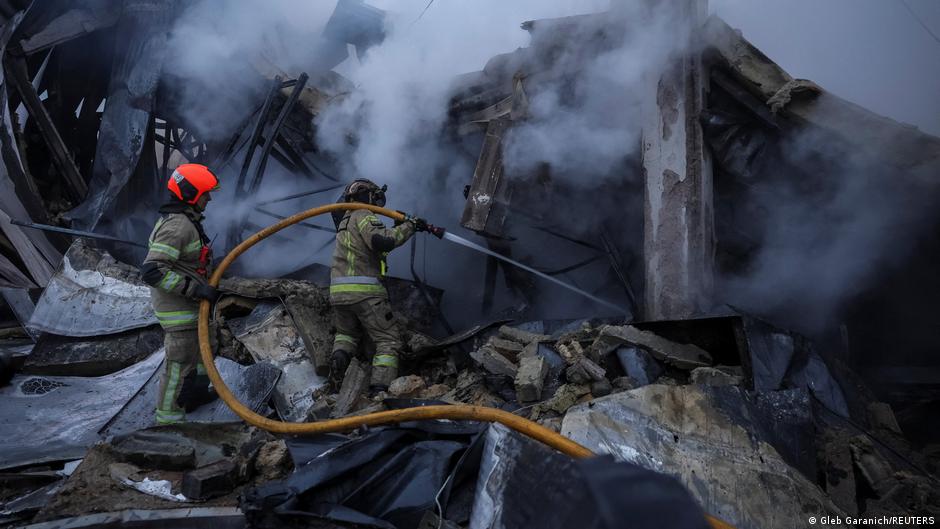
On the evening of June 10, Russian unmanned aerial vehicles (UAVs) launched attacks on the industrial city of Pavlohrad in Ukraine's Dnipropetrovsk region. Among the targets was a multi-storey residential building, resulting in injuries to twelve civilians and damage to critical infrastructure.
Impact on Pavlohrad and Wider Dnipropetrovsk Region
The attack struck both an industrial enterprise and a residential block, marking a troubling escalation in the conflict zones east of Ukraine. According to Alexander Ganja, head of the regional military administration, a 75-year-old woman remains in serious condition in hospital, while the other eleven injured have received medical care. The strike underscores the vulnerability of civilian populations amid ongoing hostilities.
Further attacks were reported in the Kryvyi Rih district of the same region, where two men were wounded and infrastructure and vehicles were damaged. In the Synelnykove district, a private home was completely destroyed, though no casualties have been reported.
"The continuing strikes on residential and industrial sites highlight the persistent threat to civilian safety and regional economic stability," said a regional official.
These developments have reverberated through European and British markets, as investors remain cautious amid heightened risks to Ukrainian industry and infrastructure. The Pound Sterling has seen slight volatility in trading, reflecting concerns over the conflict's potential to disrupt supply chains and energy routes vital to the UK and EU economies.
London-based analysts emphasize the strategic importance of the Dnipropetrovsk region, given its role as a manufacturing and logistics hub. Any sustained disruption risks broader economic repercussions, including increased volatility in commodity markets and energy prices, which directly affect British and European markets.
As the conflict continues, the UK government and European Union have reiterated support for Ukraine's sovereignty and resilience, while closely monitoring market responses to geopolitical developments. Investors and policymakers alike are watching for signals that could influence sterling's strength and the stability of regional supply chains.