Russian Drone Strikes Disrupt Electricity in Chernihiv, Impacting Critical Infrastructure
Russian drone attacks have left around 6,000 Chernihiv residents without power, raising concerns for regional stability and energy security.
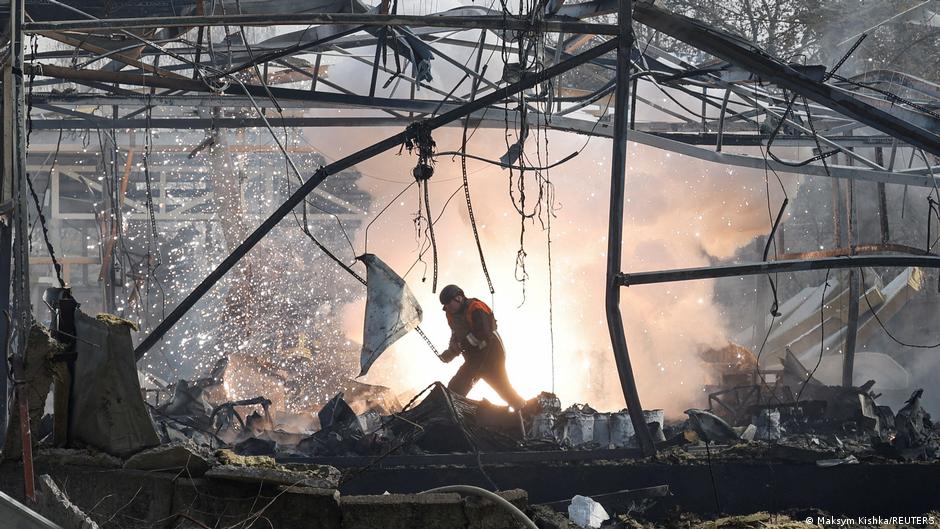
Russian forces launched a concentrated drone assault on critical infrastructure in the Ukrainian city of Chernihiv, resulting in widespread power outages and fires, according to local authorities. Approximately 6,000 residents were left without electricity as a result of damage to key energy facilities, prompting emergency response teams to prepare for restoration work once security conditions permit.
Implications for UK and European Energy Markets
The escalating drone attacks on Ukrainian energy infrastructure underscore ongoing risks to regional stability and energy supply security. As the UK and European Union continue to navigate the geopolitical fallout from the Russia-Ukraine conflict, disruptions in Ukraine's energy grid have a ripple effect on market confidence and sterling exchange rates.
London-based investors and energy firms are closely monitoring these developments, as the attacks highlight vulnerabilities that could impact energy supply chains and trading dynamics across Europe. The repeated targeting of critical facilities in Chernihiv and the broader region intensifies concerns about potential spillover effects on European energy markets, especially with winter approaching.
“Information on casualties is still being updated,” said Dmitry Bryzhinsky, head of the Chernihiv city military administration, emphasizing the ongoing uncertainty surrounding the situation.
Previous incidents, including a massive blackout affecting nearly 340,000 customers across Chernihiv and neighboring districts in early April, and a full blackout in March, illustrate the persistent threat posed by Russian strikes. These attacks not only disrupt daily life but also strain Ukraine's ability to maintain stable energy supplies, which European partners rely on indirectly through coordinated support efforts.
Infrastructure damage in Chernihiv follows a consistent pattern where Russian drone strikes target energy objects, with reports of fires and hits on industrial sites. The local power company, Chernihivoblenergo, announced that restoration operations would commence as soon as safety conditions allow, highlighting the continued volatility in the region.
For UK businesses and markets, these developments reinforce the importance of diversified energy sourcing and the need for robust contingency planning. The sterling market's sensitivity to geopolitical risks means ongoing conflict-related disruptions in Eastern Europe remain a critical factor for investors and policymakers alike.


