Russian Filmmaker’s Anti-War Message Silenced Amid Kremlin Crackdown, Raising Concerns in London and EU Markets
Andrei Zvyagintsev’s call to end the Ukraine conflict is rejected by Kremlin spokesman, highlighting broader censorship and political risks impacting UK and European business interests.
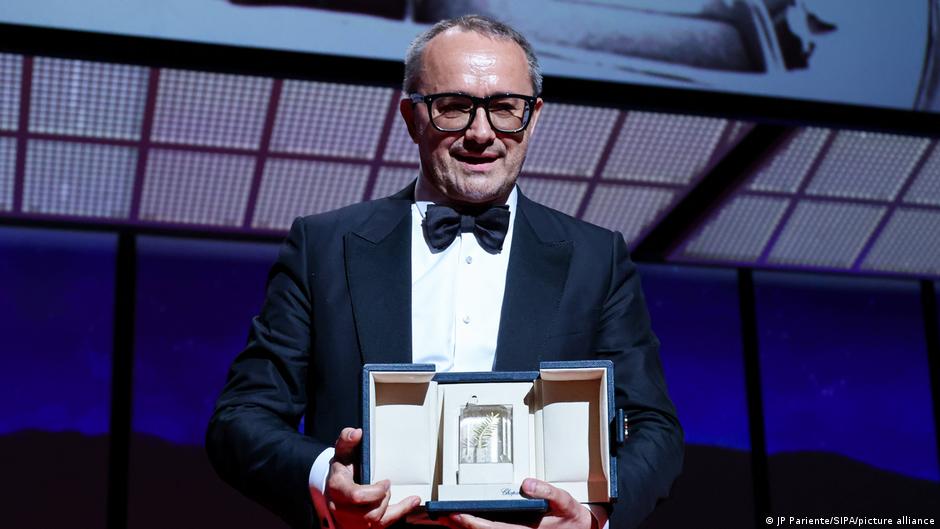
In a stark reminder of the Kremlin's tightening grip on dissent, acclaimed Russian filmmaker Andrei Zvyagintsev—winner of the Cannes Film Festival Grand Prix—has publicly declared that millions of Russians, including himself, are effectively silenced on the nation’s ongoing war in Ukraine. This development comes as British and European markets watch closely, mindful of the broader implications for trade relations, currency stability, and geopolitical risks.
Anti-War Appeal Rejected by Kremlin, Raising Political Tensions
During his Cannes acceptance speech on May 23 for his film "The Minotaur," Zvyagintsev directly addressed Russian President Vladimir Putin with an urgent appeal: to end the "senseless and merciless war" in Ukraine. "Millions on both sides of the frontline long for one thing—the end of countless human deaths," he said, receiving applause from the audience. However, Kremlin spokesperson Dmitry Peskov dismissed the filmmaker's message as lacking legitimacy, refusing to forward it to President Putin.
Peskov justified the censorship by accusing Zvyagintsev of failing to condemn the "bloody massacre" attributed to Kyiv since 2014 and stated that the director "has no right to speak" on the issue now. The Kremlin’s refusal to even relay this message highlights the ongoing suppression of anti-war voices within Russia, a development that has drawn concern from European capitals and financial hubs like London.
"Yes, I have no voice, as do hundreds of millions of Russians today, because their voices are never heard," Zvyagintsev responded. "The only rational and even life-saving action left for our country is to stop this pointless and relentless war now."
The episode underscores the risks facing investors and businesses operating in or with Russia. The censorship reflects a political atmosphere where dissent is not tolerated, which could exacerbate instability and complicate commercial engagements.
Implications for Sterling and European Market Stability
For the UK and EU, the Kremlin's crackdown comes amid ongoing challenges related to sanctions, energy supply disruptions, and diplomatic uncertainty. London’s financial markets continue to monitor Russian political developments closely, as increased repression may signal further instability that could affect commodity prices, investment flows, and currency valuations.
Analysts note that the continued suppression of independent voices and the Kremlin’s rigid stance on the Ukraine conflict could prolong geopolitical tensions, with lasting effects on the sterling and the euro. Investors remain cautious, factoring in risks tied to potential escalation or shifts in Russia’s domestic policies.
Furthermore, the refusal to engage with dissenting Russian cultural figures like Zvyagintsev highlights the widening divide between Russia and Western institutions, complicating diplomatic efforts to resolve the conflict peacefully. This dynamic contributes to ongoing uncertainties faced by British and European businesses navigating the complex landscape of sanctions and political risk.
As the situation unfolds, London-based companies and policymakers are urged to maintain vigilance over the Kremlin's internal political climate, recognizing its impact on broader European economic and security interests.