Russian Military Strike in Zaporizhzhia Causes Power Outage and Fire, Raising Concerns for European Energy Security
Russian attack on Zaporizhzhia triggers fire and partial blackout, highlighting risks to critical infrastructure amid ongoing conflict.
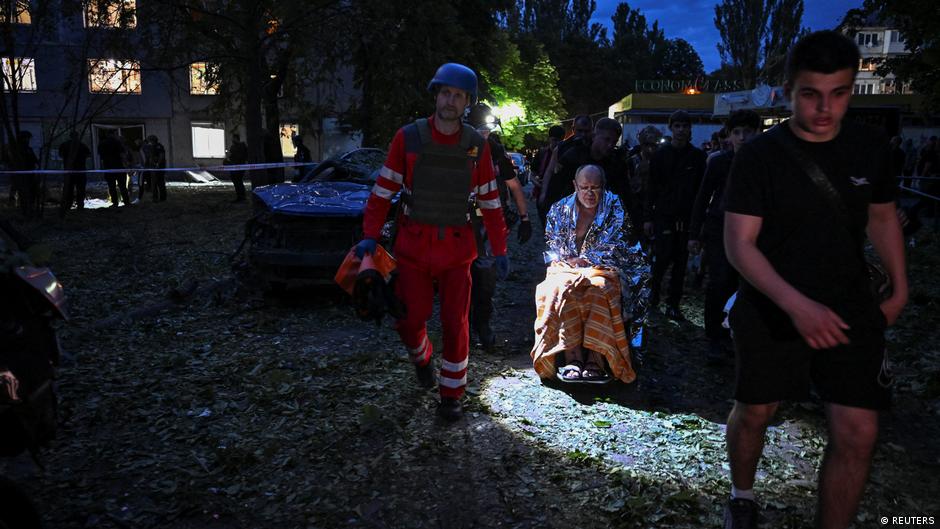
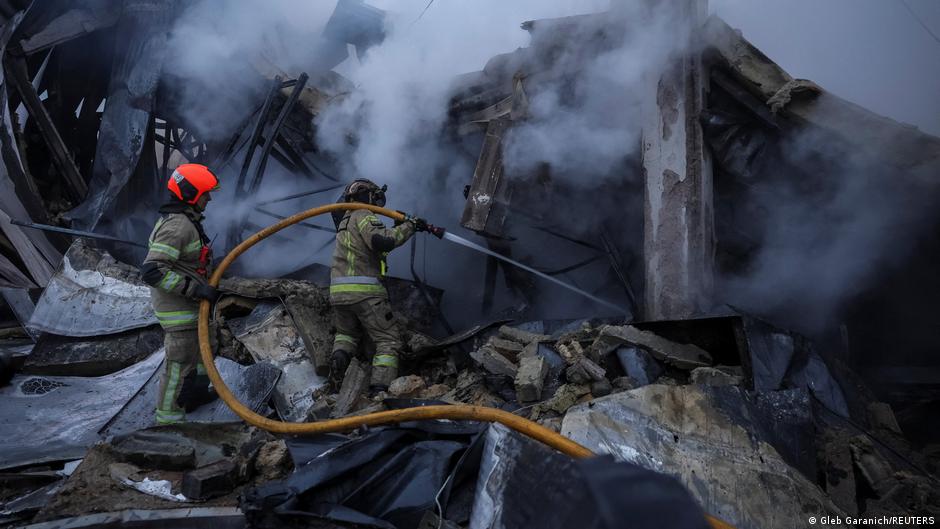
On June 7, a Russian military strike on the city of Zaporizhzhia in southeastern Ukraine resulted in a significant fire and a partial power outage affecting one of the city's districts. Ivan Fedorov, head of the regional military administration, confirmed the incident, emphasizing the damage to critical infrastructure and the urgent response efforts underway.
Impact on Energy Infrastructure and Regional Stability
The targeted attack caused disruptions to the electrical grid, leaving part of the district without power. Emergency services were promptly dispatched to manage the fire and assist in restoring electricity. Local energy providers are actively working to repair the damage and reinstate power to impacted consumers.
Authorities had warned in advance about the potential use of guided aerial bombs and ballistic missile strikes in the Zaporizhzhia region amid escalating hostilities. This latest attack adds to the ongoing destabilization of critical infrastructure in eastern Ukraine, raising broader concerns for energy security in Europe.
"The partial blackout and fire at Zaporizhzhia underscore the vulnerability of key infrastructure amidst the conflict," said regional officials.
This incident follows a previous attack on June 4, when Russian forces used drones to strike a residential area in Zaporizhzhia. That assault damaged a multi-storey apartment building and parked vehicles, resulting in the tragic death of a 44-year-old woman and injuring 16 others.
Implications for UK and European Markets
The Zaporizhzhia region is home to vital energy facilities, including a major nuclear power plant, which supplies electricity both domestically and to parts of Europe. Disruptions in this area resonate beyond Ukraine's borders, feeding into concerns over energy supply stability across the continent.
Market analysts in London have noted increased volatility in sterling and energy-related stocks following reports of the strike. Investors remain cautious as geopolitical tensions threaten to disrupt energy flows and impact commodity prices.
The UK's interest in European energy security is heightened given its economic ties and commitments to support Ukraine. The incident is likely to influence ongoing discussions about energy diversification, resilience, and the role of London as a financial hub for energy investments.
As the conflict continues to impact infrastructure, the UK and EU are expected to coordinate closely on mitigating risks and ensuring stable energy supplies amid growing uncertainty.