Russian Missile Strikes on Kyiv Kill Nine and Ignite Fire at UNESCO World Heritage Site
Russian attacks on Kyiv cause civilian casualties and significant damage to cultural heritage, impacting the capital's infrastructure and raising concerns across European markets.
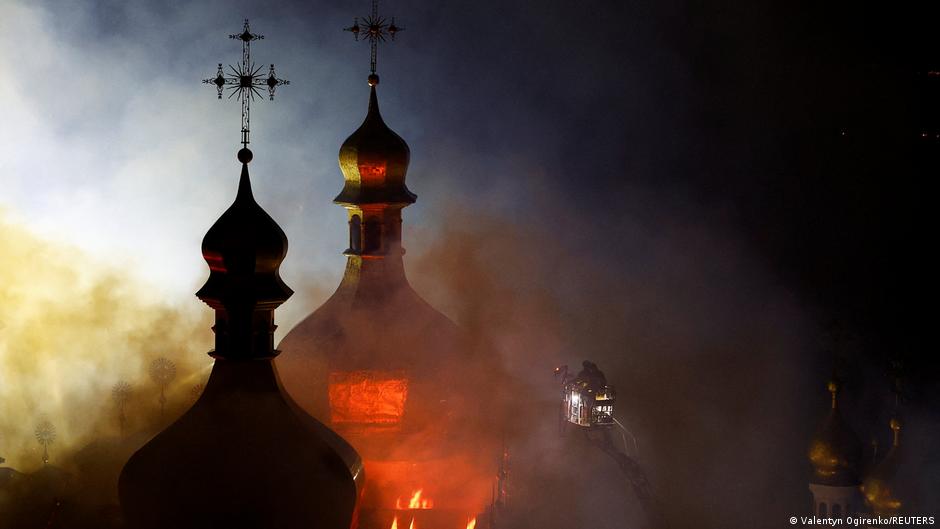
In the early hours of June 15, Russian forces launched a series of missile strikes against Ukraine's capital, Kyiv, resulting in nine fatalities and extensive damage to residential areas and historic sites. Among the most significant impacts was a fire at Kyiv-Pechersk Lavra, a UNESCO World Heritage site, igniting concerns over the preservation of European cultural landmarks amid ongoing conflict.
Damage to Kyiv's Infrastructure and Heritage Amid Renewed Attacks
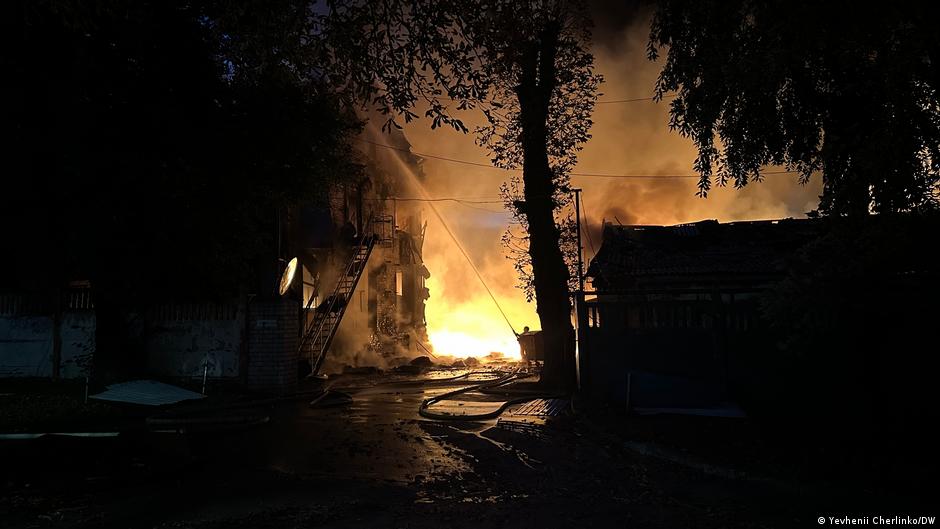
The recent barrage included missile hits on multiple districts of Kyiv, causing destruction in residential buildings and critical infrastructure. Kyiv Mayor Vitali Klitschko reported four civilian deaths in the capital alone, while an additional five fatalities were confirmed in the eastern city of Kharkiv.
The blast severely damaged the roof of the Dormition Cathedral within Kyiv-Pechersk Lavra, the historic monastic complex recognized globally for its cultural and religious significance. Timur Tkachenko, head of Kyiv's city military administration, confirmed the fire and highlighted the site's importance as a national heritage reserve. Eyewitnesses shared videos on social media showing the flames engulfing the cathedral's roof.
Residential neighborhoods suffered multiple strikes: a five-story building in the Pechersky district, a nine-story building in Solomiansky, and a partial collapse of a residential block in Obolonsky district were reported. The Shevchenkivskyi district also experienced hits to civilian infrastructure including a market and grocery store, with a 25-story residential building sustaining damage as well.
Beyond the immediate physical toll, the missile strikes disrupted Kyiv's power supply, leaving approximately 140,000 households without electricity due to damage to northern transmission lines.
"The attack on Kyiv-Pechersk Lavra is not just a blow to the city but a threat to Europe’s cultural heritage," said a heritage expert. "This site, inscribed by UNESCO, symbolizes centuries of shared history and faith."
Since the escalation of the full-scale war in 2022, Ukrainian heritage sites like Kyiv-Pechersk Lavra have repeatedly been targeted, with similar damage recorded as recently as January 2024. UNESCO officially acknowledged in 2023 that Ukrainian World Heritage sites, including St. Sophia Cathedral and Kyiv-Pechersk Lavra, face significant threats from ongoing Russian military actions. To date, approximately 1,600 cultural heritage objects in Ukraine have been damaged or destroyed.
Broader Implications for British and European Interests
The ongoing conflict and damage to critical infrastructure in Kyiv have direct implications for UK and European business and economic interests. London's financial markets have been closely monitoring the situation, with sterling experiencing volatility linked to geopolitical tensions in Eastern Europe.
Disruption in Ukraine's capital could have ripple effects on energy security and supply chains across the continent, factors that remain focal points for EU policymakers and UK trade relations. The destruction of cultural sites also underlines the broader risks to European cultural diplomacy and heritage preservation efforts.
As the conflict continues, British and European companies involved in reconstruction, heritage conservation, and energy sectors are likely to face both challenges and opportunities. The urgency to support Ukraine's recovery could drive increased investment and collaboration, particularly in London-based financial hubs facilitating aid and rebuilding projects.
Meanwhile, the humanitarian impact and escalating violence underscore the importance of sustained diplomatic engagement from the UK and EU to restore stability and safeguard regional security.