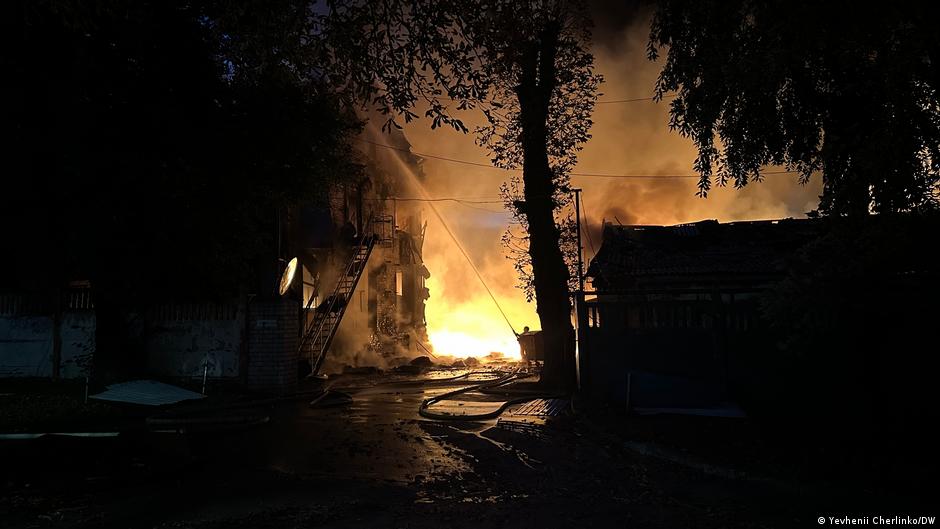
Ukraine Loses Fourth F-16 Fighter Jet Amid Ongoing Conflict with Russia
Ukrainian Air Force suffers fourth F-16 loss, highlighting operational challenges and implications for UK and EU defense support.
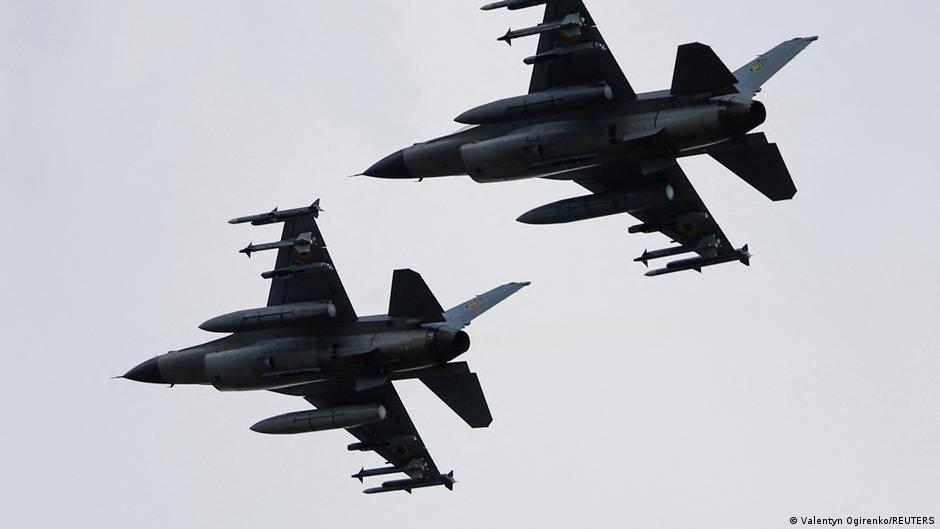
On 29 July 2025, Ukraine’s Air Force lost its fourth F-16 fighter jet during a combat mission on the frontline, underscoring the high risks faced by Western-supplied aircraft amidst the ongoing conflict with Russia. The pilot ejected safely and was evacuated for medical assessment, with no civilian casualties reported.
Strategic Impact on European and UK Interests
The F-16 jets, a significant component of Ukraine’s air defense, were delivered through a coalition of European countries including the Netherlands and Denmark, with training programs conducted in the United States. The initial batch of 10 planes reached Ukraine in August 2024, with plans to increase the fleet to 79 units by the end of 2025.
British and broader EU interests are closely tied to the operational effectiveness of these aircraft. The UK's support for Ukraine, both diplomatically and militarily, is partially measured by the performance and sustainability of such sophisticated systems on the battlefield. Each loss of an F-16 represents both a tactical setback and a financial investment challenge for Western allies.
Experts note the symbolic and practical importance of maintaining a robust air defense capability in Ukraine, particularly as these aircraft play a pivotal role in intercepting Russian aerial assaults. The latest incident occurred during a mission to intercept hostile air targets, reflecting the continuous strain on Ukrainian air forces.
“The loss of each F-16 is a sensitive issue for Ukraine’s defense posture and highlights the ongoing risks inherent in frontline aerial combat,” said a defense analyst familiar with European security dynamics.
London’s financial markets have been monitoring developments closely, given the potential implications for defense stocks and sterling’s exposure to geopolitical risk. Greater uncertainty over Ukraine’s air defense capabilities could influence investor sentiment toward UK defense contractors involved in supplying and maintaining such equipment.
Moreover, the UK government’s continued commitment to Ukraine aligns with broader European security policies aimed at deterring further Russian aggression. The operational challenges faced by Ukraine’s F-16 fleet may prompt increased support or strategic recalibrations within the coalition backing Kyiv, including potential expansions of aid packages or accelerated delivery timelines.
Since receiving the first F-16s, Ukraine has faced multiple losses: the first fighter was downed during a major Russian missile strike in August 2024, resulting in the pilot’s death; a second crashed in April 2025 during a combat mission, with the pilot posthumously honoured; and a third was lost in May 2025 amidst drone attacks. Each incident has underscored the bravery of Ukrainian pilots and the high stakes of the air war.
Investigations into the latest crash are ongoing, with Ukrainian authorities working alongside experts and law enforcement to determine the cause. While technical malfunctions are suspected, the hostile operating environment unquestionably contributes to the risk profile of these missions.
The continued provision of advanced Western fighter jets like the F-16 remains a critical pillar of Ukraine’s defense strategy. For the UK and its European partners, ensuring the resilience of this capability is essential not only for Ukraine’s sovereignty but also for maintaining regional security and deterring further destabilisation.