Russian Northern Fleet Anti-Submarine Ship Admiral Levchenko Deployed Near German Coast
The Admiral Levchenko has been repositioned from the Barents Sea to the Baltic to safeguard Russian shadow fleet vessels near Germany, raising concerns in UK and EU maritime sectors.
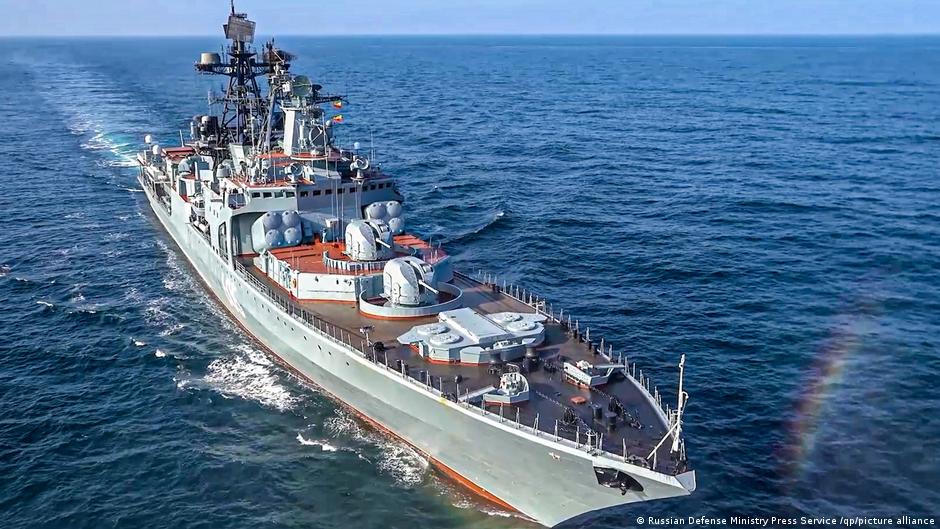
In a notable shift of naval assets, the Russian Navy has deployed the large anti-submarine ship Admiral Levchenko from the Barents Sea to the Baltic Sea, specifically near the German island of Fehmarn. This move, first reported by the German newspaper Kieler Nachrichten, signals Moscow's intent to bolster protection of its so-called "shadow fleet" oil tankers operating in European waters, an action with implications for UK and EU maritime trade and security.
Strategic Redeployment in Baltic Waters
The Admiral Levchenko is among the largest vessels of Russia’s Northern Fleet and was spotted passing Fehmarn on July 31. Photographs taken from the German coast and published by the news outlet confirm its presence north of Rostock. The Russian government has not officially commented on the redeployment or its specific mission in the Baltic.
"The repositioning of Admiral Levchenko likely replaces the similar class ship Severomorsk, which previously patrolled the Fehmarn Belt strait between Denmark and Germany safeguarding the shadow fleet's commercial vessels," explains nautical analysts.
The Severomorsk, another Northern Fleet anti-submarine ship, withdrew from the area in late June after completing its long-range patrol duties, leaving only the Baltic Fleet corvette Soobrazitelny near Fehmarn. The arrival of Admiral Levchenko restores a stronger Russian naval presence.
Implications for UK and EU Maritime Interests
For the UK and European Union, the increasing Russian naval activity in the Baltic, especially near critical shipping lanes, poses heightened risks for maritime security and energy transport routes. The so-called "shadow fleet" refers to Russian tankers transporting crude oil and refined products, often circumventing sanctions through complex rerouting and ship-switching tactics.
This naval protection complicates enforcement of EU and UK sanctions targeting Russian energy exports, with potential knock-on effects on sterling and regional markets. London's position as a financial hub may face indirect pressures as the geopolitical landscape influences energy prices and trade reliability.
Moreover, the proximity of Russian warships to German coasts underscores persistent tensions in the Baltic Sea region, vital for European energy supply lines and NATO's northern flank. British and EU authorities are likely monitoring these developments closely to anticipate any disruptions or escalations.
Shadow Fleet and the Putin-Linked Superyacht Graceful
Adding to the complexity, the Severomorsk was recently escorted by the superyacht Graceful—built in Germany and linked to Russian President Vladimir Putin—from Kaliningrad towards Murmansk, though its official destination was listed as Istanbul. The yacht was moved from Hamburg to Kaliningrad shortly before the 2022 Ukraine invasion and has since been sanctioned by the United States as an asset connected to the Kremlin leadership.
Observers suggest the maneuvers aim to shield the yacht from potential Ukrainian drone attacks, highlighting the intertwining of military, economic, and political dimensions in the Baltic theatre.
The redeployment of Admiral Levchenko thus reflects Moscow’s continued commitment to protecting its maritime interests in European waters amidst ongoing geopolitical tensions, with significant implications for British and European commercial and security priorities.