Russian Strikes on Ukrainian Cities Intensify Amid Growing Risks to UK and EU Markets
Russian drone and missile attacks on Ukraine’s key regions raise concerns over energy supply and market stability impacting London and European financial centers.
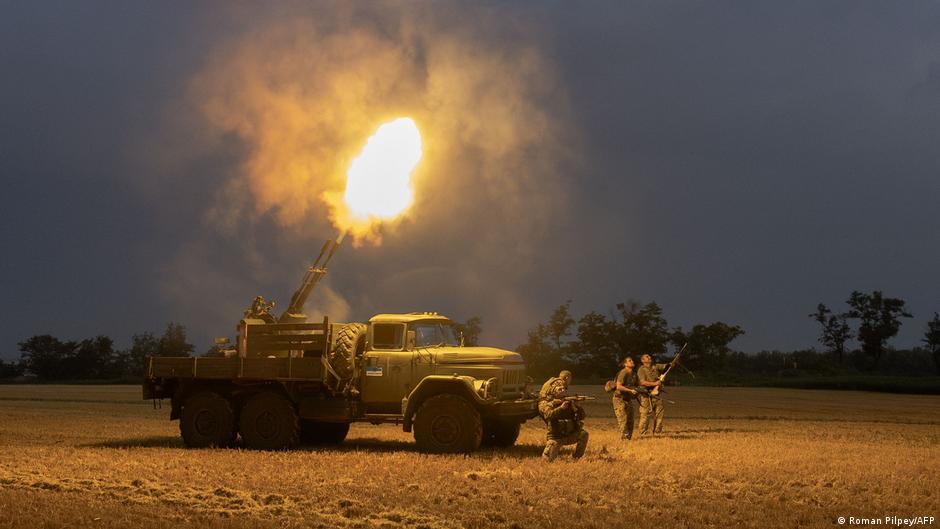
In the early hours of May 17, Russian forces launched renewed air strikes across several Ukrainian regions, including Kharkiv, Zaporizhzhia, Dnipropetrovsk, and Odesa. These attacks, involving drones and precision-guided munitions, have heightened geopolitical tensions that reverberate through London and European financial markets, particularly affecting sterling and energy sectors.
Impact on UK and European Economic Interests
The escalation of hostilities follows a series of drone and missile strikes targeting urban and strategic sites. In Kharkiv, multiple districts suffered damage from drone incursions, leading to shattered windows and damage to over ten vehicles, though initial reports indicate no casualties. Zaporizhzhia experienced a drone strike that destroyed a gas station, with a 25-year-old woman sustaining injuries. Dnipropetrovsk saw a private residence engulfed in flames after a missile hit, wounding a 70-year-old resident. Meanwhile, a state of aerial alert was declared in Odesa.
"The continued aggression amplifies uncertainty, affecting regional energy supplies and investor confidence in European markets," analysts noted.
These attacks raise concerns about the stability of critical infrastructure that supports energy transit routes essential to the European Union. The UK, heavily invested in European energy networks and financial markets, faces increased risk of volatility impacting sterling exchange rates and London’s stock exchanges. Traders and policymakers are closely monitoring developments, as disruptions in Ukrainian energy corridors could translate into higher commodity prices and increased inflationary pressures in the UK and across Europe.
The presence of drones over Poltava and Sumy regions, although with no reported damages yet, signals a persistent threat vector that complicates efforts to stabilize the region. The ongoing conflict underscores the fragility of the supply chains and the geopolitical risks that underpin market sentiment.
London Market Reactions and Sterling Outlook
Since the escalation, sterling has experienced fluctuations amid investor risk aversion, with the pound weakening against the dollar and euro. London’s FTSE 100 index reflects cautious trading, particularly among energy and defense sector stocks, which are sensitive to conflict-related developments. Financial institutions are recalibrating risk assessments as uncertainty about the duration and intensity of the conflict persists.
In conclusion, the renewed Russian attacks on Ukrainian territory not only exacerbate humanitarian concerns but also trigger ripple effects across UK and European markets. The situation demands vigilant monitoring by policymakers and investors alike, as stability in this region remains critical to broader economic resilience.