Russian Strikes on Ukrainian Ports and Energy Sites Raise Concerns for UK and EU Markets
Russian missile and drone attacks on Ukrainian infrastructure disrupt key ports and energy assets, impacting European energy security and London markets.
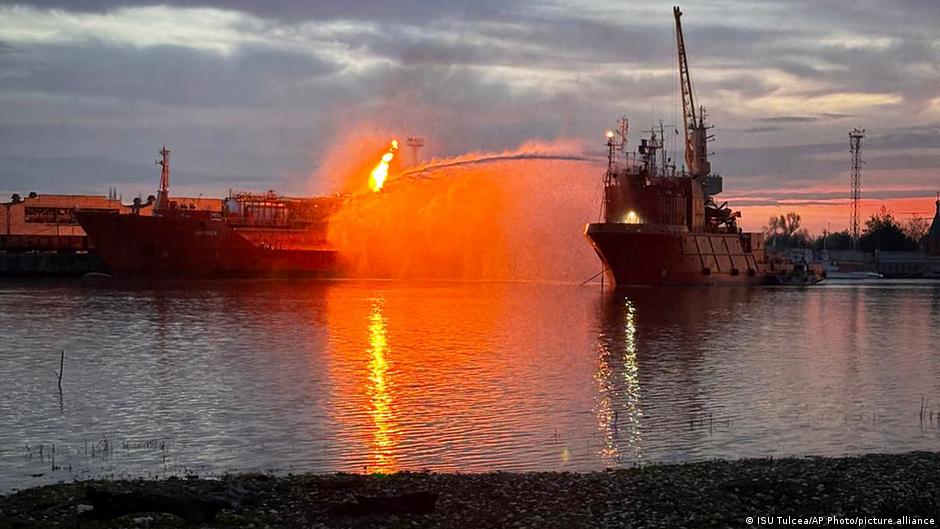
On the night of May 19, Russian forces launched a series of missile and drone strikes targeting critical Ukrainian infrastructure, including the port city of Izmail in the Odessa region, energy facilities in the Dnipropetrovsk region, and urban areas in Kharkiv. These attacks have raised alarms across Europe, with particular concern about impacts on energy supplies and the stability of regional markets, including London.
Damage to Ukrainian Infrastructure and Energy Assets
Izmail, an important port on Ukraine’s Danube River, experienced damage to its port infrastructure as a result of the Russian air strike. According to local authorities, emergency services swiftly responded to contain the damage, and no significant casualties or large-scale destruction were reported. Most airborne threats were intercepted before reaching populated areas.
“Practically all aerial attack means were destroyed over open territory outside populated areas of the Izmail district,” local officials stated.
Simultaneously, the state energy company Naftogaz reported sustained missile and drone attacks on its facilities in the Dnipropetrovsk region over May 17 and 18. The company confirmed damage to infrastructure but no injuries among personnel. These attacks follow a previous barrage on Naftogaz sites in the Poltava region, underscoring the vulnerability of Ukraine’s energy sector amid ongoing hostilities.
In Kharkiv, drone strikes impacted the Novobavarsky and Kholodnogorsky districts, causing fires in civilian infrastructure and private homes. Rescue operations are underway to locate persons potentially trapped under rubble after one building was severely hit.
Implications for UK and European Energy Markets
These developments have heightened concerns over European energy security, especially given the continent’s ongoing efforts to reduce dependency on Russian energy supplies. Damage to Ukrainian energy infrastructure risks further destabilizing gas flows and supply chains that affect wholesale energy prices across the EU and the UK.
London markets and British investors are closely monitoring these events for their potential impact on sterling and financial instruments tied to energy commodities. The vulnerability of Ukraine’s transit infrastructure could trigger volatility in energy futures and raise the cost of imports for European consumers.
Previously, Bloomberg reported that Ukraine has expanded its use of drones to strike targets well inside Russian territory, including major industrial cities in the Ural region. This escalation reflects the increasingly complex security environment that British and European businesses must navigate.
As the conflict continues to evolve, the UK’s strategic interests in maintaining stable energy supplies and supporting European allies remain critical. The strikes highlight the interconnected risks facing the region’s infrastructure and underscore the importance of resilience measures within European energy markets and logistics hubs, including those in the UK.