Serbian Unrest Amid Anti-Government Protests Raises Concerns for UK and EU Business Interests
Violent clashes in Belgrade follow mass student protests, prompting market uncertainty and potential impacts on sterling and European trade ties.
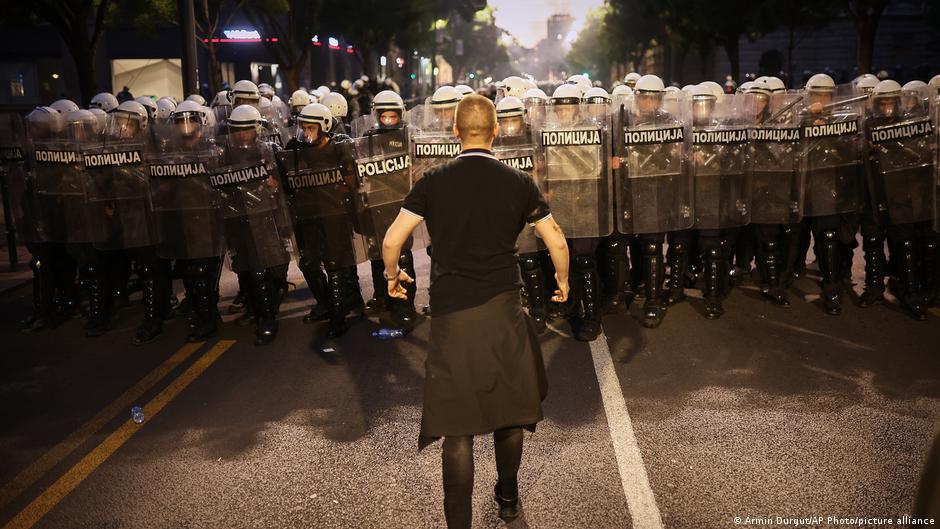
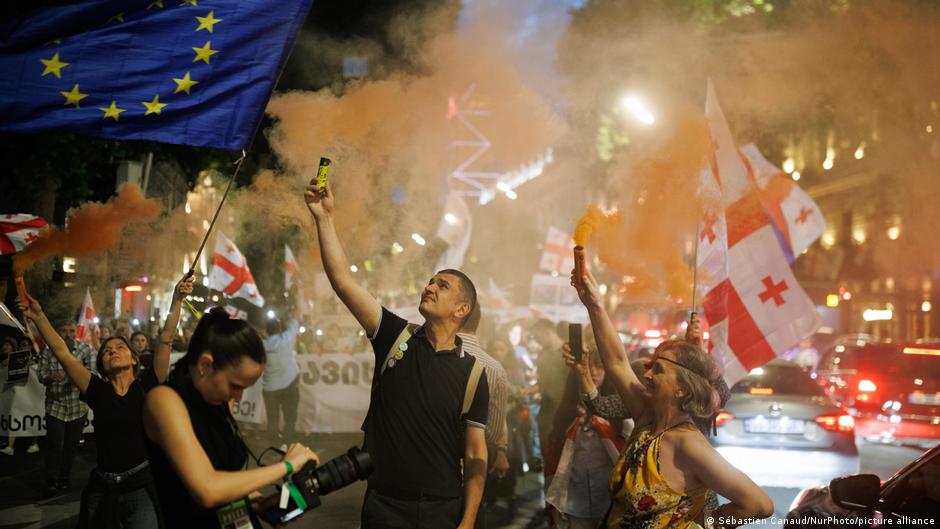
Serbia has recently witnessed significant unrest following anti-government protests, with violent clashes erupting in central Belgrade near the Pionirski Park. The protests, initially organized by Serbian university students, have escalated into confrontations involving police and demonstrators, raising concerns for British and European business communities monitoring stability in the region.
Background and Latest Developments
On Saturday, May 23rd, tens of thousands joined student-led demonstrations at Slavia Square in Belgrade, despite government efforts to curb the gatherings. Police responded by using tear gas and stun grenades to disperse crowds near the law faculty building adjacent to the parliament. Protesters reportedly attacked law enforcement with flares, stones, and improvised explosive devices.
“All those who attacked police officers ensuring security after the public assembly will be identified and held accountable according to the law,” stated the Belgrade prosecutor’s office.
Authorities confirmed at least 23 arrests and emphasized a strong condemnation of violence against police personnel. Interior Minister Ivica Dacic highlighted the seriousness of the situation, reflecting ongoing tensions stemming from the anti-government movement initiated in late 2024.
The unrest traces back to a tragic incident in November 2024, when a concrete canopy collapse at a renovated railway station in Novi Sad resulted in 16 deaths. Protesters blame systemic corruption, construction negligence, and nepotism within Serbia’s government, demanding President Aleksandar Vucic’s resignation and early parliamentary elections.
In response to mounting pressure, Serbia’s prime minister resigned in January 2025, with a new government formed by March under medical professor Djuro Macut, nominated by President Vucic. However, the president has insisted that the election schedule remains fixed despite recurring protests.
Renewed protests in September 2025 saw over 40 arrests and injuries to 13 police officers amid violent exchanges involving stones, flares, and improvised weapons. Authorities used tear gas and stun grenades in attempts to restore order.
Serbian state railways had pre-emptively canceled all train services to and from Belgrade on May 23rd to limit influxes of protesters from other cities, illustrating government attempts to contain unrest.
Implications for UK and EU Markets
While Serbia is not a member of the European Union, the country’s political instability carries weighty implications for British and European business interests. The ongoing turmoil threatens regional stability in the Western Balkans, a key area for trade, infrastructure investment, and energy transit.
London-based investors and companies with exposure to the Balkans are monitoring developments closely, given the potential risks to supply chains and investment climate. Sterling’s sensitivity to geopolitical shifts in Europe is notable, with fluctuations likely driven in part by concerns over rising instability in Serbia.
Moreover, the EU’s strategic objective of integrating the Western Balkans into its economic and security frameworks could be delayed by prolonged unrest, complicating trade negotiations and regulatory alignment. This scenario presents challenges to British firms aiming to leverage post-Brexit trade agreements with the region.
Financial markets in London reacted cautiously, with investors weighing the broader regional risks against ongoing global economic uncertainties. A sustained period of protests and government instability in Serbia could dampen investor confidence and disrupt planned infrastructure projects connected to EU and UK funding mechanisms.
In sum, the recent escalation of anti-government protests in Serbia highlights the fragile security environment in the Western Balkans and underscores the need for British and European stakeholders to reassess risk exposure amid evolving political dynamics.