SIPRI Reports UN Peacekeeping Force at 25-Year Low Amid Funding and Geopolitical Challenges
UN peacekeeper numbers have dropped to their lowest since 2000, affecting international conflict resolution and stirring concern in London and Brussels.
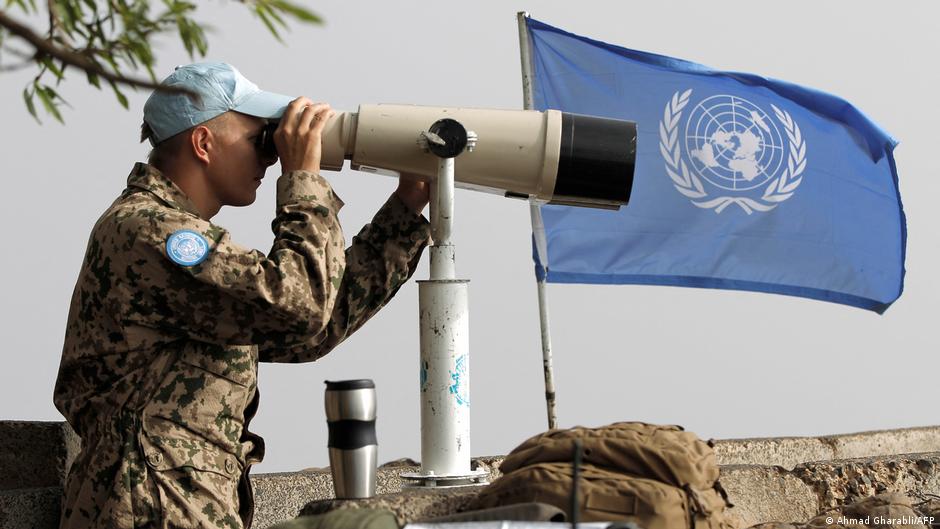
The Stockholm International Peace Research Institute (SIPRI) has revealed that the number of United Nations (UN) peacekeepers worldwide has fallen to its lowest point in 25 years, highlighting significant challenges for global conflict management. This development bears increasing relevance for British and European stakeholders who rely on stable international security frameworks and are monitoring sterling’s exposure to geopolitical risks.
Decline in Peacekeeping Personnel and Its Wider Implications
As of December 31, 2025, a total of 78,633 international personnel were deployed across UN peacekeeping operations globally, representing a 49% decrease compared to 2016 and the smallest contingent since the year 2000. The decline accelerated notably in 2025, with a 17% drop from the previous year.
“If this trend continues, we will witness a dramatic weakening of multilateral conflict resolution efforts and a near-total loss of relevance for institutions like the UN,” warned Yair van der Lijn, Director of SIPRI’s Peacekeeping Operations Programme.
The contraction of peacekeeping forces comes amid a volatile geopolitical landscape and chronic underfunding, with key donors delaying or reducing their contributions. In July 2025 alone, UN peacekeeping operations experienced a shortfall of $2 billion, approximately 35% of their budget for 2024-2025, forcing cuts in mission personnel worldwide.
The UK and the European Union (EU) have substantial strategic interests in robust UN missions, particularly in regions such as sub-Saharan Africa and Eastern Europe, where instability can have direct economic and security repercussions. London-based financial markets are also sensitive to geopolitical developments that may influence sterling’s safe-haven status and investor confidence.
Regional Impact and Mission Reductions
During 2025, the UN conducted 58 peacekeeping operations across 34 countries and territories, a decrease of four missions compared to 2024. Notably, the UN mission in Nagorno-Karabakh was among those not extended. Africa south of the Sahara and Europe saw 18 operations, while the Middle East and North Africa hosted 14.
Nearly three-quarters of peacekeeping personnel were concentrated in just five operations, mostly in sub-Saharan Africa. This concentration reflects ongoing concerns about conflicts with potential spillover effects that could impact European trade routes and migration patterns.
Political complications have further hindered mission renewals. For instance, despite persistent ceasefire violations between Israel and Lebanon in 2024, the United States pushed to end the UN Interim Force in Lebanon (UNIFIL) during 2025 mandate negotiations. The UN Security Council ultimately extended the mission only until December 2026 as a compromise.
Challenges Facing Multilateral Peacekeeping and Regional Alternatives
SIPRI highlights that no new UN peacekeeping mandates have been issued since 2014, reflecting the growing difficulty in securing consensus within the Security Council. Regional organisations such as the African Union, ECOWAS, and the Organization for Security and Co-operation in Europe (OSCE) have attempted to fill gaps but face similar funding shortages and geopolitical deadlocks—especially visible in Ukraine and Sudan.
Claudia Pfeifer Cruz, Senior Researcher at SIPRI, emphasises that these regional bodies lack the capacity to fully replace UN peacekeeping operations. “They suffer from insufficient funding and political gridlock just like the UN, leaving an expanding void in conflict resolution,” she explains.
Prospects and Policy Considerations for the UK and EU
Despite the decline, international support for peacekeeping remains broad, underscored by a May 2025 UN Peacekeeping Ministerial Forum in Berlin attended by over 130 UN member states. The challenge lies in converting political backing into predictable funding and enabling effective, multilateral peace operations.
For the UK and EU, stabilising UN peacekeeping efforts aligns with their broader foreign policy goals of promoting global peace and security, which underpin economic stability and investor confidence. As SIPRI cautions, failure to adequately fund and politically support these missions risks exacerbating conflicts and undermining the international rules-based order that benefits European markets and sterling’s global standing.
Ultimately, ensuring the future viability of UN peacekeeping requires decisive action beyond rhetoric. As Claudia Pfeifer Cruz concludes, “States must provide predictable financing and a political framework that enables effective multilateral peace operations, or face the consequences of a security vacuum that regional alternatives cannot fill.”