Slovakia to Continue Blocking EU Sanctions on Russia Over Oil Pipeline Dispute
Bratislava insists on restoring Russian oil supplies via Ukraine’s Druzhba pipeline before supporting EU's 20th sanctions package against Russia.
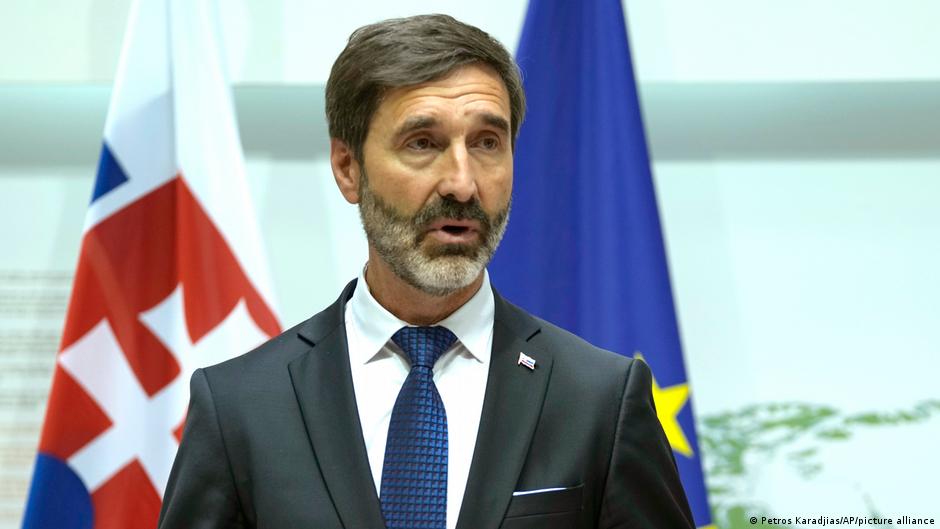
Slovakia has announced it will continue to block the European Union's 20th sanctions package against Russia until it resumes receiving Russian oil through the Druzhba pipeline via Ukraine. The statement was made by Slovak Foreign Minister Juraj Blanár in the national parliament on April 16.
"If the Druzhba pipeline does not resume operation and the 20th sanctions package comes up for a vote, we will not vote in favour," Blanár said. He emphasized that Bratislava lacks alternative means to compel Ukrainian President Volodymyr Zelensky and the European Commission to reopen the pipeline.
Impact on EU Energy Supply and Financial Aid to Ukraine
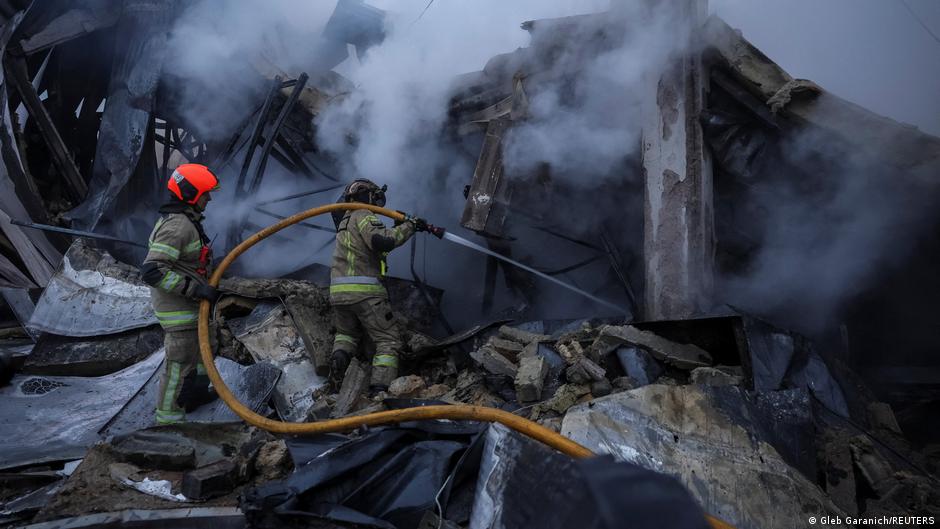
The dispute has significant implications for the EU’s energy security and financial support mechanisms. The Druzhba pipeline, a key conduit for Russian oil to Slovakia and Hungary, has been offline since late January after being damaged by a drone strike attributed to Russian forces. Ukraine has indicated that the damage was substantial, and repairs are underway.
"If the Druzhba pipeline does not resume operation and the 20th sanctions package comes up for a vote, we will not vote in favour." – Slovak Foreign Minister Juraj Blanár
Slovakia declared a state of emergency in its oil sector in February due to the halt in supplies. Both Slovakia and Hungary have accused Kyiv of delaying pipeline repairs, alleging that the Ukrainian government might be leveraging the situation to halt oil flows. This tension has led to Hungarian Prime Minister Viktor Orbán vetoing the 20th sanctions package and blocking the EU’s multi-billion euro credit package for Ukraine.
Despite the pipeline dispute, Blanár stated Slovakia would not oppose the EU’s €90 billion financial aid package to Ukraine. Similarly, the leader of Hungary’s ruling Tisza party, Péter Mádiar, pledged not to block the credit, though Budapest does not plan to contribute funds directly to Kyiv.
Earlier in March, Slovak Prime Minister Robert Fico threatened to follow Hungary's lead in obstructing the EU credit if Orbán’s party lost parliamentary elections. The Hungarian ruling party later secured a fourth consecutive term, maintaining its veto power over EU decisions.
London and Sterling Market Perspectives
The ongoing pipeline and sanctions blockage introduces uncertainty into European energy markets, which reverberates in London’s financial sector. The sterling exchange rate has shown sensitivity to geopolitical developments affecting UK-EU energy trade routes and sanctions policies. Investors are closely monitoring EU member states’ stances, as prolonged delays in sanction implementation could delay market equilibrium and disrupt commodity flows.
London-based commodity traders are also assessing the reliability of Russian oil supplies routed through European pipelines. The Druzhba dispute highlights vulnerabilities in supply chains that could impact Brent crude pricing benchmarks and downstream petroleum product markets.
Meanwhile, British companies involved in the EU’s energy infrastructure and financial sectors remain attentive to how Slovakia’s position might influence broader EU-Russia relations and the future pace of sanction rollouts.
Ukraine has agreed to EU assistance for pipeline repairs, with President Zelensky indicating on April 14 that Druzhba could be operational by month's end. However, until full restoration, Slovakia’s blockade introduces a strategic impasse within the EU’s collective approach to Russia sanctions.