Trump and Xi Jinping Hold High-Level Talks in Beijing Amid Strategic Tensions
US-China summit discusses Iran, trade, and global security, with implications for UK and EU markets and sterling.
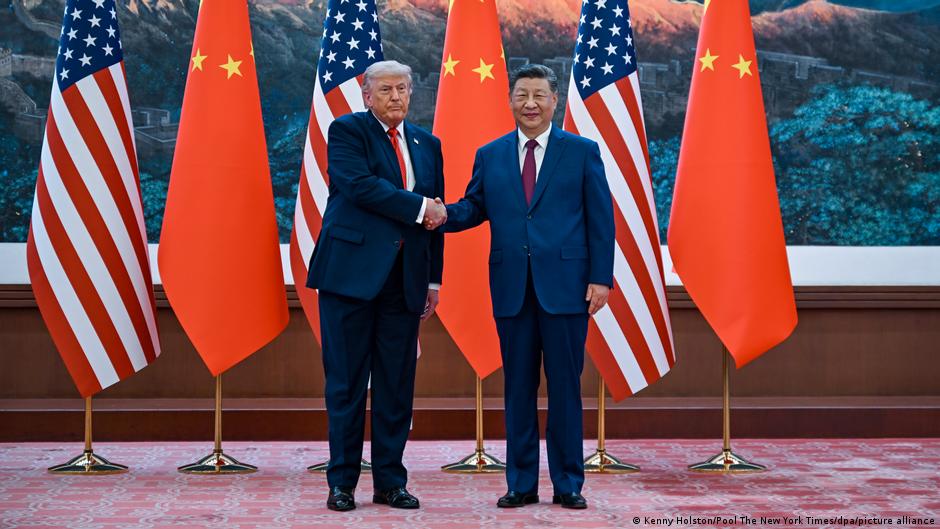
US President Donald Trump met with Chinese President Xi Jinping in Beijing on May 14, marking a significant diplomatic engagement between the world’s two largest economies. The leaders greeted each other with full military honors at the Great Hall of the People on Tiananmen Square, underscoring the importance China places on this visit.
President Trump hailed the meeting as an opportunity to forge a "fantastic shared future" between the United States and China. Xi stressed that the world is at a "new crossroads" and emphasized that the two countries should act as "partners, not rivals," a stance he framed as beneficial not only to both nations but to global stability.
Geopolitical and Economic Stakes for Europe and the UK
One of the central topics on the agenda was the tense situation surrounding Iran and the strategic Strait of Hormuz. The US is seeking China’s cooperation to help ease the Iranian blockade, a move that would facilitate the free flow of oil through this critical maritime route. Marco Rubio, the US Secretary of State, highlighted that China shares a vested interest in unblocking the strait, as Chinese vessels are among those currently affected. Given China’s export-driven economy, disruptions in energy supplies and trade routes impact global markets, including the UK and EU.
"This is not just a bilateral issue," Rubio noted, "but one that reverberates across international markets and supply chains, including Europe's energy security and Britain's trade corridors." The potential easing of tensions in the Gulf region could alleviate volatility in oil prices, which has direct consequences for sterling and European currencies.
Trade relations between the US and China also dominated discussions. The leaders are expected to build on prior agreements made in 2025, focusing on reducing tariffs and eliminating barriers, especially around China's exports of rare earth metals. These materials are vital for European tech manufacturing and green energy sectors. The resolution of trade disputes could pave the way for smoother supply chains and better market stability across the Atlantic.
"Both the US and China must see themselves as partners in crafting a stable economic future," Xi said, "which is essential not only for our nations but for the global community."
For London, the talks come at a critical time. As the UK continues to navigate post-Brexit trade realignments, the outcomes of US-China diplomacy inevitably influence market sentiment in the City. A de-escalation in US-China tensions may boost investor confidence, potentially strengthening sterling and invigorating London's role as a global financial hub.
The summit also touched upon the delicate issue of Taiwan, with both sides affirming the need for cautious dialogue. Though the topic remains a geopolitical flashpoint, both leaders expressed a preference for partnership over rivalry, signaling a possible thaw in US-China relations that European markets have been watching closely.
President Trump’s visit, his first to China since 2017, lasts two days and includes meetings with senior US officials and business leaders such as Apple CEO Tim Cook and Tesla’s Elon Musk. Their presence underscores the commercial stakes at play, reflecting transatlantic interests given the UK and EU's deep integration with both American and Chinese markets.
As this diplomatic chapter unfolds, UK and European stakeholders are poised to monitor how these developments affect trade policies, energy markets, and currency valuations—key factors shaping the economic landscape for businesses and consumers alike.