Ukraine Imposes Sanctions on 32 Russian Firms and 34 Individuals Affecting UK and EU Interests
Kyiv extends sanctions targeting Russian defence sector firms with implications for London markets and sterling stability.
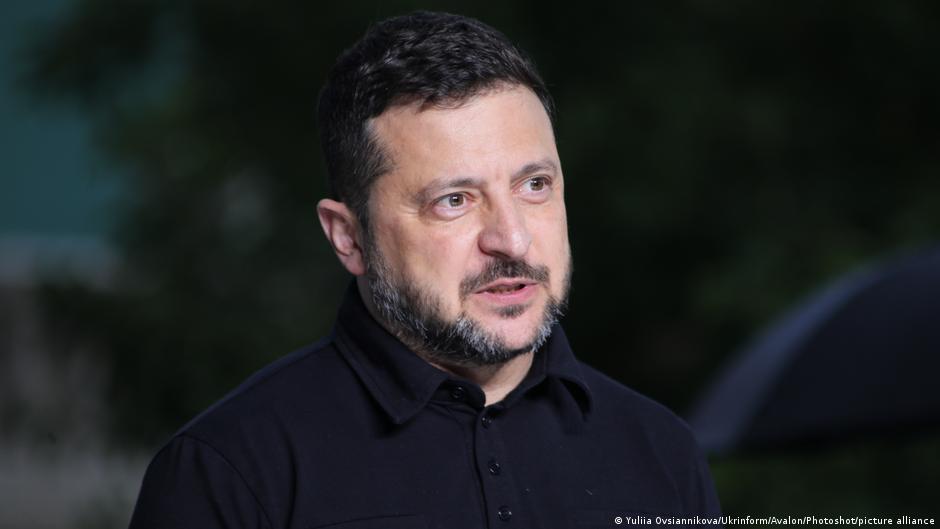
Ukrainian President Volodymyr Zelensky has signed a decree imposing sanctions on 32 Russian companies and 34 individuals, primarily linked to Russia's defence industry. The move, announced on May 12, 2024, reflects Kyiv's ongoing efforts to target entities involved in supplying military equipment and technology, including components relevant to advanced Russian weapons systems.
Impact on British and European Business Interests
The sanctioned companies are reportedly involved in the production and supply chains for Russian military hardware such as the S-300 and S-400 missile systems, ballistic missiles like Topol, Yars, and Iskander, as well as rocket fuel and ammunition components. Notably, several businesses under sanction manufacture electronic components and precision industrial equipment that have been used to circumvent existing international restrictions.
This development holds significant consequences for UK and European business environments. Many British and EU firms operate in sectors related to high-tech manufacturing and electronic components, where supply chains can be complex and intertwined with global markets. The sanctions may lead to tighter scrutiny and compliance requirements for companies in London and across Europe, particularly those involved in dual-use technologies that could indirectly support Russian defence industries.
The London financial market has already been monitoring geopolitical tensions and sanction risks closely. The extension of Ukraine's sanctions regime, combined with the coordination efforts to synchronize these restrictions internationally, could influence sterling’s exchange rate volatility and investor sentiment towards UK equities with exposure to Eastern Europe.
"Ukraine will provide all necessary information to partners to ensure full synchronization of sanctions across international jurisdictions," the Ukrainian presidential office announced.
Such international coordination is crucial for the effectiveness of sanctions, as it closes loopholes and prevents sanctioned entities from shifting operations or financing through jurisdictions like London.
Extension of Existing Sanctions and Broader Strategic Implications
Alongside the new measures, Ukraine has extended sanctions on 13 individuals and 21 legal entities previously targeted in 2023. Among those are Russian nationals linked to the financial-industrial group VS Group Management, which has business interests in Ukraine spanning energy, hospitality, retail, agriculture, and banking sectors.
These individuals include Irina Babakova, Natalia Selivanova, and Vadim Giner, all associated with Russian ownership structures affected by sanctions. The Ukrainian authorities have accused some of these figures of supporting Russian aggression or attempting to undermine international sanctions regimes.
For UK and European policymakers, these extended sanctions reinforce the need for vigilance in tracking companies and individuals potentially involved in destabilising activities in Eastern Europe. They also underscore the broader geopolitical risks that can ripple through European markets, affecting trade, investment, and financial stability.
As Ukraine continues to synchronize its sanction policies with global partners, businesses in London and across the EU should prepare for enhanced regulatory oversight. This includes reviewing supply chain exposures, compliance frameworks, and potential impacts on sterling-denominated transactions.
Overall, Ukraine’s latest sanctions highlight the persistent tensions influencing UK-EU relations with Russia and the vital role of coordinated economic measures in addressing security challenges.