The Economist Highlights Ukraine's Strategic Gains and Impact on UK-EU Interests Amid Conflict
Ukraine appears to have seized the initiative from Russia, escalating operations deep into Russian territory with significant implications for British and European markets.
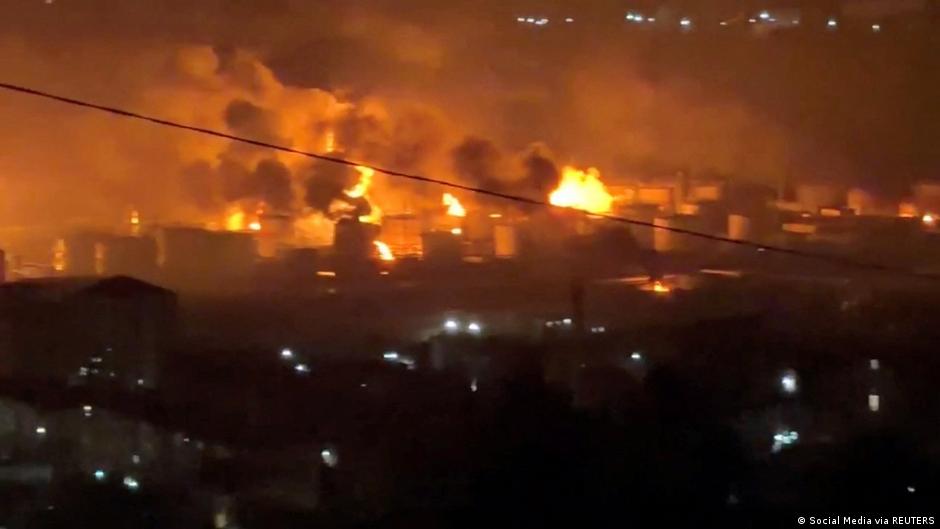
According to an analysis published by The Economist on May 10, Ukraine has seemingly reversed the momentum of the ongoing conflict with Russia, marking a pivotal shift that carries repercussions for UK and European economic and security interests. The report notes that while Russian forces lost more territory in April 2026 than they gained, Ukraine has intensified its operations, including drone strikes penetrating deep into Russian territory.
Ukraine's Escalating Offensive and Western Security Implications
After enduring a harsh winter marked by relentless Russian drone and missile attacks on Ukrainian cities and infrastructure, Ukraine is now countering with increased scale, range, and intensity. The Economist emphasizes that Ukraine’s actions are inflicting progressively larger damage on Russia, disrupting military and economic targets almost 2000 km within Russian borders. This escalation places approximately 70% of Russia's population within the reach of Ukrainian long-range drones.
"Almost every Ukrainian operation now inflicts more significant damage on Russia," the article observes, underscoring the country's shift from defensive to assertive posturing.
Notably, March 2026 was the first month where Ukraine exceeded Russia in the number of long-range drone strikes, signaling a tactical advantage that the UK and its European allies are monitoring closely. Such developments have implications for the security landscape of Europe and the stability of markets, particularly in London, where investors are attentive to how the conflict influences sterling and broader financial stability.
The conflict’s human toll remains staggering, with The Economist citing estimates of 1.4 million Russian military casualties since the full-scale invasion began, including 35,000 losses per month. This attrition weighs heavily on Russia’s capacity for sustained offensive operations.
UK and EU Responses: Strategic Outlook and Market Considerations
Sir Lawrence Freedman, an honorary professor of war studies at King’s College London, highlighted the next few months as critical in determining whether Russia can mount a significant counteroffensive this summer or if Ukraine will maintain its momentum, particularly through its enhanced drone capabilities.
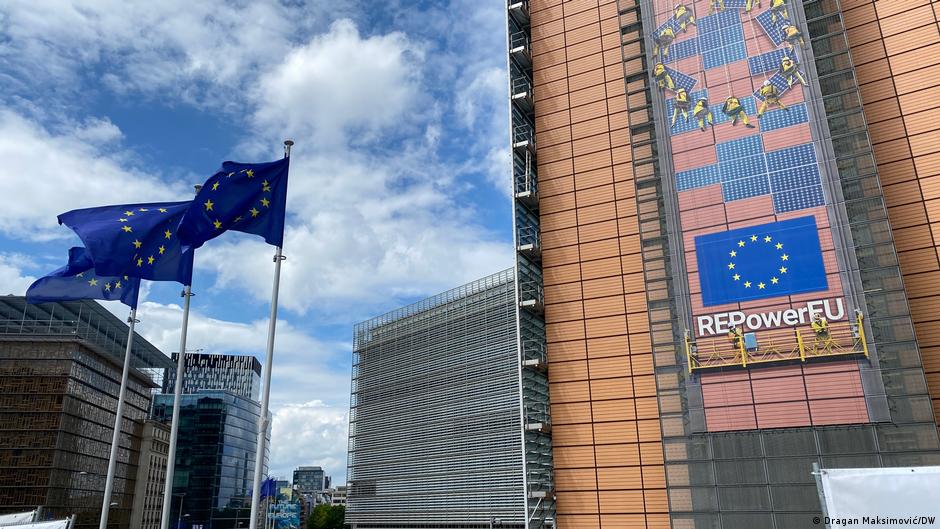
On May 11, following a meeting of EU foreign ministers in Brussels, EU High Representative for Foreign Affairs and Security Policy, Josep Borrell, stated that Ukraine is in a "much better position than a year ago," while Russian President Vladimir Putin is in a "weaker position than ever." This diplomatic stance reflects the EU's continued support for Ukraine and underscores the conflict's broader geopolitical and economic implications.
For the UK and European Union, the evolving conflict affects energy markets, defence spending, and trade relations. London-based investors closely watch shifts in sterling amid heightened geopolitical risk, and European policymakers are strategizing to balance support for Ukraine with economic resilience.
As Ukraine consolidates gains and Russia faces setbacks, the conflict continues to shape the political and economic landscape across Europe, with the City of London serving as a key nerve centre for market reactions and investment decisions.