Rising Meat Imports in Uzbekistan: Implications for UK and EU Trade and Sterling Markets
Uzbekistan's meat imports surge 63% amid slowing domestic production, affecting European trading dynamics and London market reactions.
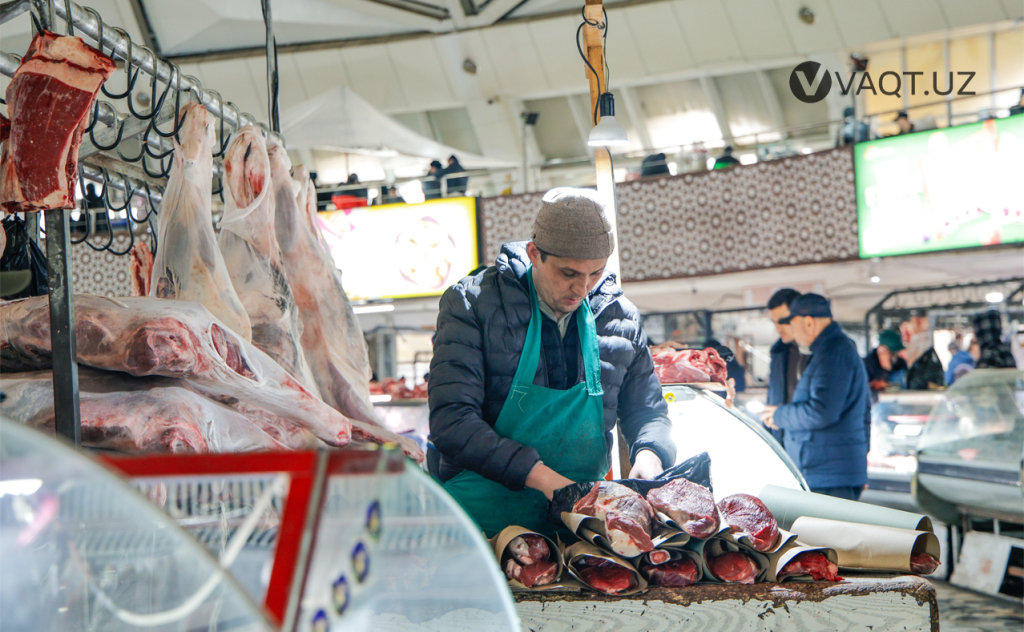
Uzbekistan has seen a sharp increase in meat imports during the first four months of 2026, with foreign meat deliveries rising by 62.8% compared to the same period in 2025. This surge underscores the Central Asian nation's growing dependence on imported meat due to a slowdown in domestic production, prompting potential ripple effects in UK and European markets.
Import Growth and Price Pressures
According to recent customs data, Uzbekistan imported $320.6 million worth of meat products from January to April 2026. The volume of imported meat increased by 36.6% to 98,000 tonnes. Beef represents the largest share of imports, with 49,850 tonnes, followed by 22,700 tonnes of chicken.
Global inflation, supply chain disruptions, and geopolitical uncertainties have contributed to higher import prices. For instance, the cost of imported beef rose from $4.07 per kilogram in 2025 to $4.80 in 2026. Mutton imports saw an even sharper increase, from $1.03 to $2.87 per kilogram, while chicken prices remained relatively stable, slipping slightly from $1.22 to $1.20.
"Uzbekistan's growing reliance on higher-cost imported meat highlights vulnerabilities in domestic supply and creates complex challenges for trade partners," said an industry analyst.
Domestic Production and Market Impact
Uzbekistan's domestic meat production in early 2026 totaled 580,200 tonnes, marking a modest growth of 2.9% but still indicating a slowdown compared to previous years. This deceleration is attributed mainly to rising feed costs impacting livestock farming, particularly small-scale and household operations.
The Central Bank of Uzbekistan reported significant price increases in the local market throughout 2025 and into early 2026 — beef prices rose by 23.9%, boneless beef by 25%, and mutton by 26.9%. Market prices in urban centers and supermarkets have surged even more sharply, with meat prices rising up to 259,000 Uzbek so‘m per kilogram in supermarkets.
Implications for UK and European Trade
Uzbekistan’s increased import demand presents both opportunities and challenges for UK and EU meat exporters. The rising value of meat imports signals a growing market, but volatile global prices and logistical complexities could influence trade terms and sterling exchange rates.
London’s commodity and futures markets may experience increased attention on meat-related contracts as traders react to price fluctuations and supply uncertainties emanating from Central Asia. Additionally, the dependence on imported meat underscores the importance of stable trade relations between Uzbekistan and European partners.
Given the upward trend in import prices and slowing local production, experts caution that Uzbekistan’s meat prices are unlikely to stabilize soon. This may drive further import growth, impacting demand for UK and EU exports and influencing sterling’s exchange rates due to trade balance adjustments.
In summary, Uzbekistan's meat import surge highlights shifting agricultural production dynamics with significant repercussions for British and European business interests, particularly in trade and currency markets.