Serbia Hosts First Ever Joint Military Exercises with NATO Amid Balkan Neutrality
New NATO-Serbia drills mark a historic development in Balkan security dynamics, with implications for UK and European strategic interests.
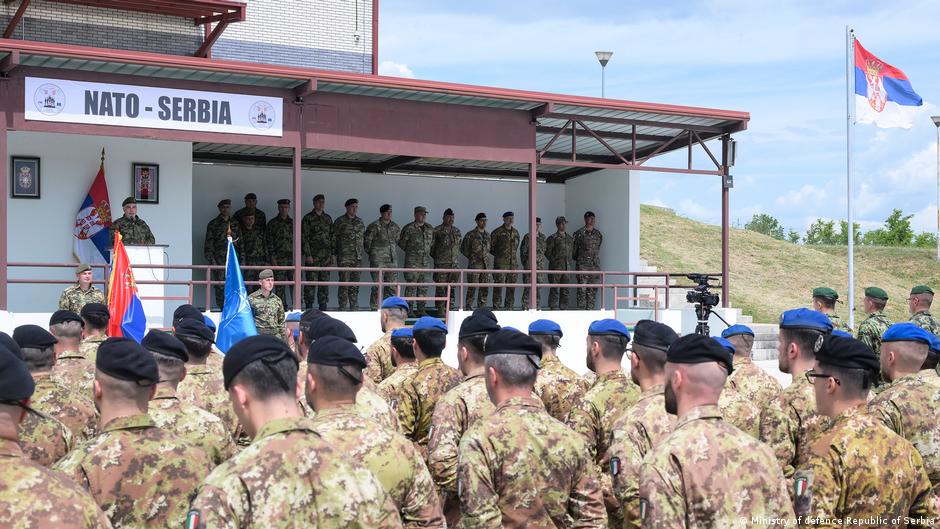
Serbia is hosting joint military exercises with NATO for the first time in its history, marking a notable shift in the security landscape of the Western Balkans. The maneuvers, named "NATO - Serbia," are part of NATO's Partnership for Peace programme and involve approximately 600 soldiers from Serbia, Italy, Romania, and Turkey, alongside observers from Germany and other NATO members.
Implications for UK and European Security and Markets
The exercises, running until May 23 at the Borovac training ground near the city of Bujanovac in central Serbia, are conducted under Serbia's declared military neutrality. This development is particularly significant for British and European policymakers as it reflects a cautious but tangible step toward deeper engagement between NATO and a traditionally non-aligned Balkan state.
Serbia's decision to collaborate directly with NATO on military drills has been described by officials as an important milestone, despite the country maintaining its neutrality policy and close ties with Russia. For London and Brussels, enhanced cooperation with Serbia may help stabilize a historically volatile region, reinforcing European security architecture.
"These are important exercises. Serbia is the host country, and the drills are conducted in full compliance with Serbia’s policy of military neutrality," a NATO representative noted.
From an economic perspective, such developments can influence investor confidence and currency stability. The British pound and European currencies often react to geopolitical shifts in the Balkans given the region's strategic location and energy transit routes. This enhanced cooperation might improve the regional outlook, potentially benefiting London-based investors with interests in Eastern Europe.
The UK's continued commitment to NATO and European security interests means London is likely to monitor these exercises closely. While Serbia is not a NATO member—the only country in the Western Balkans not to have joined—the growing practical cooperation signals possible avenues for future engagement that could ease longstanding tensions.
Historical Context and Regional Sensitivities
Serbia’s participation in NATO-led operations has been cautious due to its fraught history with the alliance, particularly stemming from the 1999 NATO bombing campaign during the Kosovo conflict. NATO's peacekeeping mission in Kosovo, KFOR, remains active under international supervision, and Serbia continues to reject Kosovo’s declaration of independence. These sensitive issues ensure that any NATO engagement in Serbia is closely scrutinized both domestically and internationally.
The collaborative exercises have been prepared jointly by the Serbian Land Forces Command and NATO’s Joint Forces Command based in Naples, Italy. Photos from May 12 show Serbian and NATO troops standing side by side, symbolizing a potentially new chapter in NATO-Serbia relations.
For British and European defence analysts, these joint drills are an indicator of subtle shifts in regional alignments that could eventually impact broader diplomatic and economic relations. The UK's strategic interest in maintaining stability across Europe, particularly through NATO frameworks, means that such developments will be factored into ongoing assessments of Balkan security.