Trump Calls Netanyahu 'Crazy' Over Lebanon Strikes, Raising Concerns for UK and EU Markets
US President Donald Trump sharply criticizes Israeli PM Netanyahu after Beirut strikes, highlighting risks to Middle East stability and sterling sentiment.
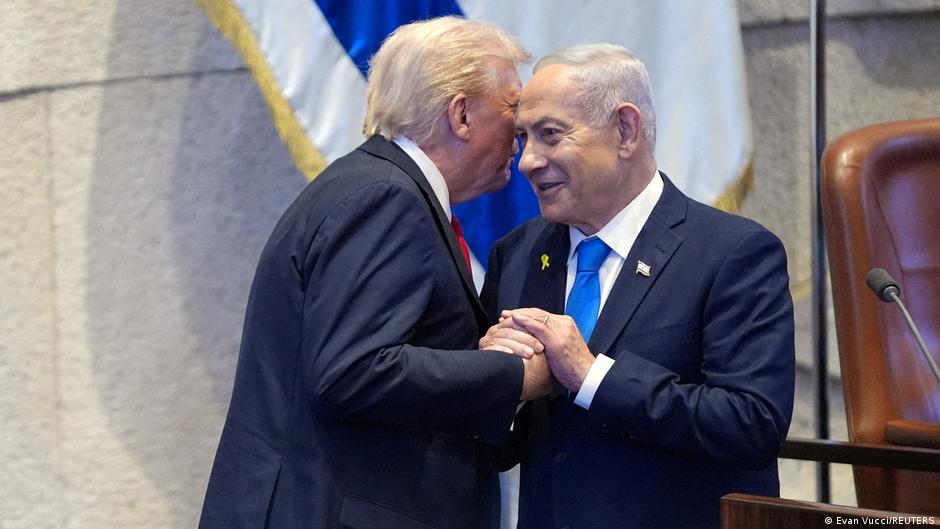
In a rare and candid phone conversation, US President Donald Trump reportedly berated Israeli Prime Minister Benjamin Netanyahu over the recent Israeli Defense Forces airstrikes on southern Beirut suburbs. The sharp rebuke, which included Trump labeling Netanyahu as "crazy," has drawn attention in London and Brussels, where investors monitor geopolitical risks affecting sterling and European markets.
Regional Escalation Threatens Market Stability
On June 1, Netanyahu ordered strikes on what he described as Hezbollah targets in Beirut, citing an escalation of conflict with the Iran-backed militia group. This followed Hezbollah's rocket attacks on northern Israeli regions and the expansion of Israeli ground operations into southern Lebanon. The heightened tensions have unsettled investors wary of disruptions in energy supplies and broader regional instability.
According to sources close to the US administration, Trump expressed deep concerns about the civilian casualties and destruction of residential buildings resulting from the strikes targeting Hezbollah commanders. The US president emphasized that Netanyahu's actions risked alienating international allies and further isolating Israel diplomatically.
"Trump warned that Netanyahu’s aggressive military moves could lead to international isolation and damage ongoing diplomatic efforts," said sources familiar with the call.
The geopolitical turmoil has immediate implications for the UK's economic interests. London, as a global financial hub, is sensitive to Middle Eastern conflicts that may impact oil prices and investor confidence. Sterling has experienced volatility as traders weigh the potential fallout of sustained hostilities and the risk of supply chain disruptions.
Meanwhile, in Brussels, EU policymakers are closely observing the situation, given Europe's reliance on Middle Eastern energy imports and the delicate balance of peace in the region. The EU has historically called for restraint and diplomatic solutions, mindful of the economic consequences of expanded conflict.
Adding to the complexity, Iran's Tasnim news agency, affiliated with the Islamic Revolutionary Guard Corps, announced a suspension of indirect negotiations with the US via intermediaries in response to the Israeli strikes. Tehran views Lebanon as a critical factor in any ceasefire agreements, suggesting that hostilities there persist across multiple fronts.
Trump, however, denied reports that talks had ended, asserting on his social platform Truth Social that negotiations continue at pace. He claimed to have secured agreements with both Israel and Lebanon to halt reciprocal attacks, thereby enabling ongoing diplomatic dialogue.
This exchange underscores the fragile nature of the Middle East peace process and the significant role of US leadership in shaping outcomes. For UK and European investors, the volatility stemming from these developments highlights the need for cautious market strategies amid geopolitical uncertainties that can influence currency and commodity markets.