Trump Highlights China’s Interest in US Oil and Soybean Purchases Amid Trade Talks
US-China discussions signal potential shifts in trade flows affecting global markets, with implications for London and European investors.
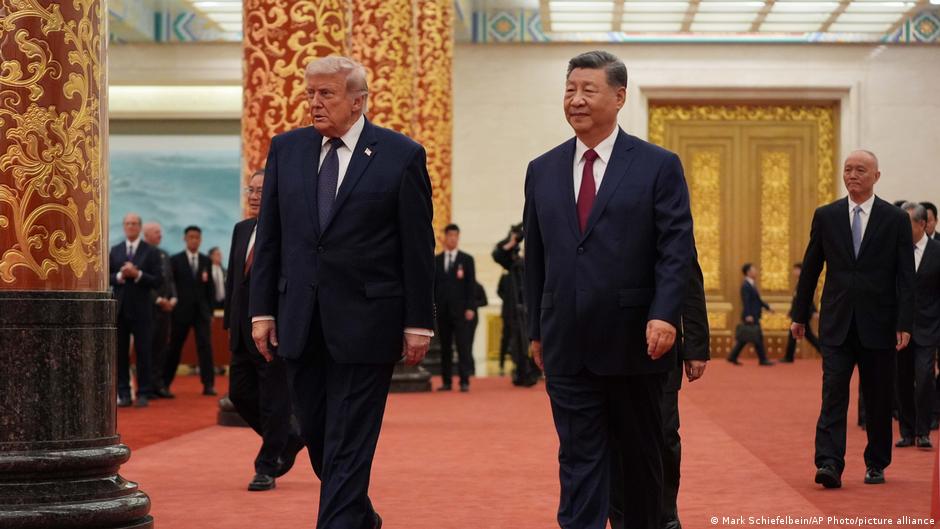
Following intense trade negotiations in Beijing, former US President Donald Trump revealed that China has expressed renewed interest in purchasing American oil and soybeans. This development marks a notable potential shift in trade dynamics that could influence commodity markets and financial centers, including London.
China’s Potential Re-engagement with US Commodities
During a Fox News interview shortly after his two-hour meeting with Chinese President Xi Jinping on May 15, Trump explained that China, historically a significant buyer of Iranian oil, had substantially reduced its imports of US soybeans, instead turning to Brazilian suppliers amid ongoing trade tensions since 2025. The current indication that Beijing might increase purchases of US oil and soybeans suggests a thaw in bilateral trade relations, which could have ripple effects across European commodity markets and sterling exchange rates.
China’s pivot back to US agricultural and energy products could affect global supply chains and pricing structures. For British and European investors, especially those involved in commodity trading and futures markets on the London Metal Exchange and ICE Futures Europe, these changes hold strategic importance.
"China wants to help negotiate an end to the US-Israel conflict with Iran and resume shipping through the Strait of Hormuz," Trump said, highlighting China's diplomatic engagement alongside trade discussions.
Furthermore, Trump noted that President Xi Jinping assured him China would refrain from supplying weapons to Iran, which is a critical aspect of geopolitical stability in the Middle East, a region intrinsically linked to energy markets worldwide.
Trump also expressed his firm stance on Iran, urging the country to negotiate a deal with Washington. He commented on Iran’s stockpile of enriched uranium, suggesting options ranging from its disposal to potential acquisition by the US. His remarks characterize the current Iranian leadership as “reasonable,” emphasizing a nuanced approach to US-Iran relations.
Implications for the UK and European Financial Markets
The prospect of China increasing imports of US oil and soybeans could influence sterling and European currency markets, as shifts in US-China trade relations often impact global risk sentiment and capital flows. London, as a premier hub for energy trading and commodities finance, stands to be affected by these developments.
Moreover, any easing of tensions between major powers, coupled with diplomatic efforts to stabilize the Middle East, could reduce volatility in oil prices. This would have knock-on effects on inflation expectations and monetary policy decisions within the UK and the broader European Union.
Investors and policymakers in London should closely monitor the progress of US-China trade discussions and any resultant changes in commodity trade flows, as these will play a pivotal role in shaping market conditions in the coming months.