Trump Sets Firm U.S. Red Lines for Iran Deal Amid Uncertainty in Negotiations
U.S. President Trump insists Iran must never acquire nuclear weapons to advance any agreement, impacting European markets and London’s financial sector.
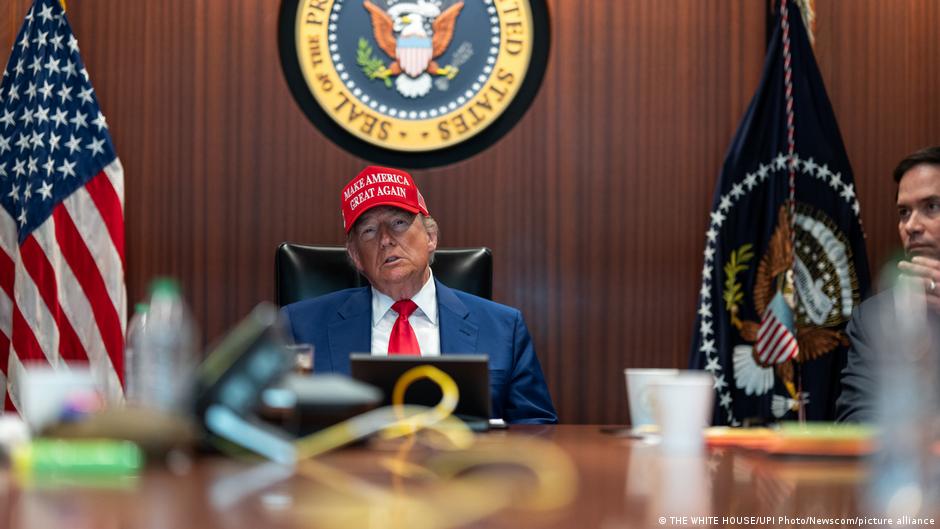
U.S. President Donald Trump has made it clear that any agreement with Iran must adhere to strict American conditions, particularly that Iran must never obtain nuclear weapons. This stance comes as negotiations remain uncertain and is closely watched by European and British markets due to potential geopolitical and economic implications.
Trump’s Red Lines and the Stance of Tehran
Following a two-hour meeting with his advisers in the White House Situation Room on May 30, a U.S. administration official confirmed that President Trump is prepared to finalize an agreement with Iran only if it respects the "red lines" set forth by the United States. Central among these is the explicit demand that Iran must never develop or possess nuclear weapons.
"President Trump will only conclude a deal that benefits America and respects his red lines," said a White House official speaking on condition of anonymity.
Meanwhile, Iranian officials have tempered expectations for a rapid breakthrough. Esmail Baqaei, an official spokesperson for Iran’s Ministry of Foreign Affairs, emphasized that despite ongoing communication, no final agreement has been reached, highlighting the cautious and protracted nature of the negotiations.
Implications for the UK and European Markets
The ongoing diplomatic interplay between Washington and Tehran holds significant consequences for the UK and European Union, especially given London’s role as a global financial hub and the interlinked nature of energy markets.
Financial markets in London have been closely monitoring any developments in U.S.-Iran relations. A deal that curtails Iran’s nuclear ambitions could ease tensions in the Middle East, potentially stabilizing oil prices and benefiting European energy security. Conversely, uncertainty or a breakdown in talks may prompt volatility in sterling and EU markets, as investors seek safe havens.
Given the importance of the petrochemical sector to many European industries, the outcome of these negotiations could impact supply chains and costs across the continent. British businesses with interests in energy, finance, and international trade remain alert to the evolving situation.
Future Outlook
Reports from U.S. media outlets suggest that a preliminary framework agreement has been tentatively reached by American and Iranian negotiators. However, President Trump has yet to grant his approval, underscoring his insistence on strict adherence to his conditions.
As the U.S. administration balances strategic interests and domestic political considerations, European stakeholders will watch closely. The resolution—or escalation—of the Iran issue will likely influence diplomatic relations, market confidence, and currency valuations across the Atlantic.
In the meantime, London’s financial markets and European policymakers brace for potential shifts in global stability tied to Washington’s red lines on Iran’s nuclear program.


