UK and EU Strengthen Military Ties Near Suwalki Corridor Amid Russian Concerns
Poland, Lithuania, and France conduct joint exercises near strategic Suwalki Corridor; implications for London markets and sterling examined.
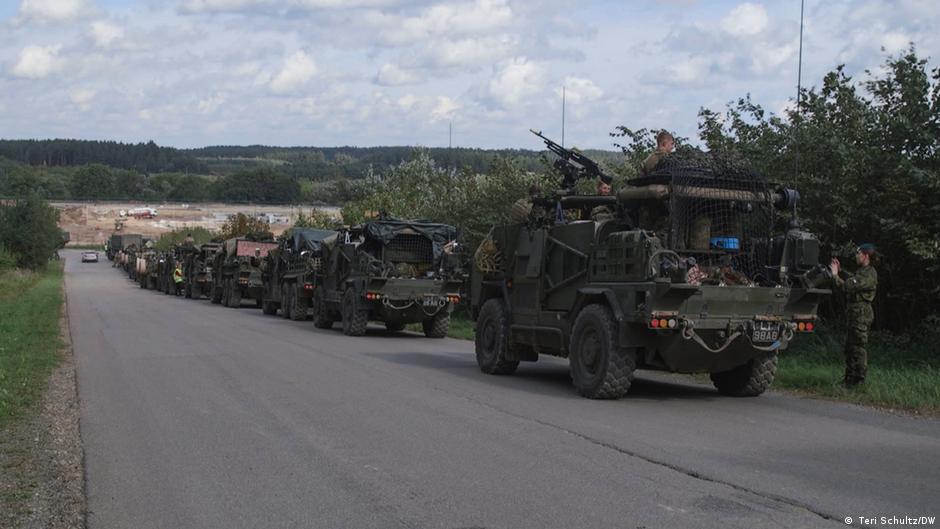
In a strategic move underscoring the importance of Eastern European security to UK and EU interests, Poland, Lithuania, and France are conducting joint military exercises near the Suwalki Corridor, a critical land link connecting the Baltic states to the rest of the European Union and NATO.
Military Drills Near Suwalki Corridor Highlight NATO-EU Solidarity
Scheduled from June 16 to 26, the “Gallant Boar 2026” exercises involve coordinated infantry operations focused on defending the narrow corridor between Kaliningrad and Belarus. Lithuania will deploy mechanized dragoon battalions alongside the Zemaiciai infantry brigade, while France will participate alongside Polish forces.
The Suwalki Corridor, spanning less than 100 kilometers, holds strategic significance for NATO and the EU as it forms the only land connection between the Baltic countries and mainland Europe. The exercises aim to enhance interoperability and synchronized defense capabilities, addressing fears that Russia could attempt to sever the corridor in a potential conflict.
“The Suwalki Corridor is a strategic chokepoint whose security underpins the defense of the Baltic states and the integrity of NATO’s eastern flank,” military analysts note.
For the UK, maintaining stability in this region supports broader European security frameworks that directly affect London’s financial and trade ties with EU member states. The exercises send a clear message about NATO’s preparedness and commitment to collective defense—factors that currently influence sterling’s relative stability amid geopolitical uncertainty.
Poland and Lithuania have also stepped up ground defenses around the corridor. Lithuania approved construction of a new military training ground capable of housing up to 4,000 troops by 2028, further cementing a long-term defensive posture in the area.
Moreover, NATO plans to establish a new command structure to enhance rapid troop deployment to Estonia and Latvia, signaling an accelerated response capability to any escalation on Russia’s western border. This development is closely watched by London’s defense and investment communities, as it affects regional risk assessments and UK defense commitments within NATO.
London Market Reaction and Sterling Implications
Markets in London have been assessing the potential impacts of heightened military activity in Eastern Europe on trade and investment flows. While sterling has shown resilience, analysts caution that any major escalation could prompt volatility due to the UK’s close economic ties with EU partners and exposure to geopolitical risks.
Investment firms specializing in defense and security sectors have noted increased interest in European defense stocks, reflecting expectations of sustained military spending among EU and NATO members. The UK government’s strategic alignment with NATO’s eastern defense initiatives bolsters London’s position as a hub for defense finance and consultancy.
Meanwhile, the broader picture of Russian military posturing remains a concern. According to German defense leadership, Russia continues to concentrate forces facing west, with potential peak tensions anticipated around 2029. Satellite imagery confirms ongoing expansion of Russian military bases along its western borders, suggesting a long-term strategic preparation despite setbacks in Ukraine.
However, NATO’s top commander in Europe, US General Christopher G. Cavoli, remains confident that Moscow will avoid an open confrontation with the alliance, recognizing NATO’s asymmetrical advantages. This cautious optimism supports the current market sentiment in London, balancing security concerns with confidence in NATO deterrence.