UK Grants Indefinite License for Import of Russian-Origin Fuel via Third Countries
London permits import of diesel and aviation kerosene refined from Russian oil abroad amid rising energy costs and supply pressures.
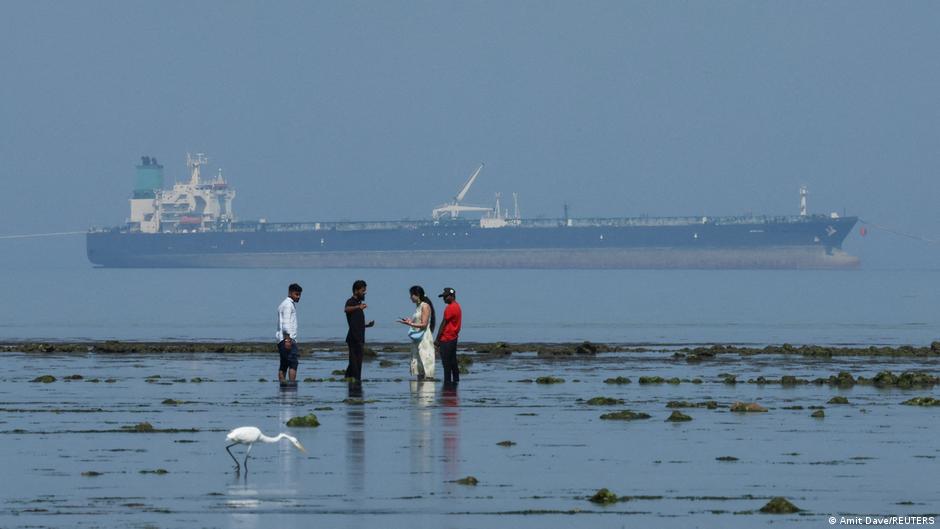
The United Kingdom has issued an indefinite license authorising the import of diesel and aviation kerosene produced from Russian crude oil in third countries. The license, effective from May 20, allows the bypassing of existing sanctions on Russian petroleum products.
The British government’s decision aims to ease the strained energy market in the UK, where fuel price inflation has become a significant political and economic concern. The move follows a similar US decision allowing maritime shipments and sale of Russian-origin oil and products circumventing sanctions, in response to global supply disruptions caused by the conflict involving Iran.
Implications for UK and European Energy Markets
Since 2022, the UK has prohibited direct imports of Russian oil and coal following Russia’s full-scale invasion of Ukraine. Alongside a broad sanctions regime, the UK planned to ban imports of petroleum products refined from Russian crude in third countries by October 2025. However, recent developments have prompted a recalibration of this approach.
Energy prices in the UK have surged due to geopolitical tensions and supply chain interruptions, notably linked to the conflict between the US, Israel, and Iran. With the Strait of Hormuz blockade, traditional supply routes face increased risk, prompting Washington and London to relax restrictions to stabilise fuel supplies.
"The indefinite license for importing Russian-origin diesel and kerosene reflects the government's effort to address soaring fuel costs and supply constraints caused by ongoing geopolitical uncertainties," an energy analyst commented.
The UK has also issued a separate license permitting maritime transport of Russian liquefied natural gas (LNG) until January 1, 2027, further signalling a pragmatic approach to energy security amidst complex international sanctions.
This licence extension aligns the UK with US policy, which just recently extended similar permissions to support vulnerable countries impacted by oil supply disruptions. London’s decision takes into account the sterling market’s sensitivity to energy cost inflation and the broader European Union’s ongoing efforts to diversify energy sources while managing the economic ramifications of the war in Ukraine.
Market observers note that London's financial sector will closely monitor the impact of these changes on sterling's valuation and commodity trading volumes. Increased imports of refined products from Russian crude, albeit indirectly, may ease fuel price pressures and influence wholesale fuel markets in the UK and Europe.
The move underscores the balancing act faced by UK policymakers—upholding sanctions to exert pressure on Moscow while ensuring domestic energy affordability and security during a turbulent global period.


