UK to Boost Defence Budget by £18 Billion Amid Political Turmoil, Impacting Sterling and London Markets
Prime Minister Keir Starmer set to approve significant defence spending increase, reflecting UK and EU security priorities.
UK Announces Major Defence Budget Increase During Political Crisis
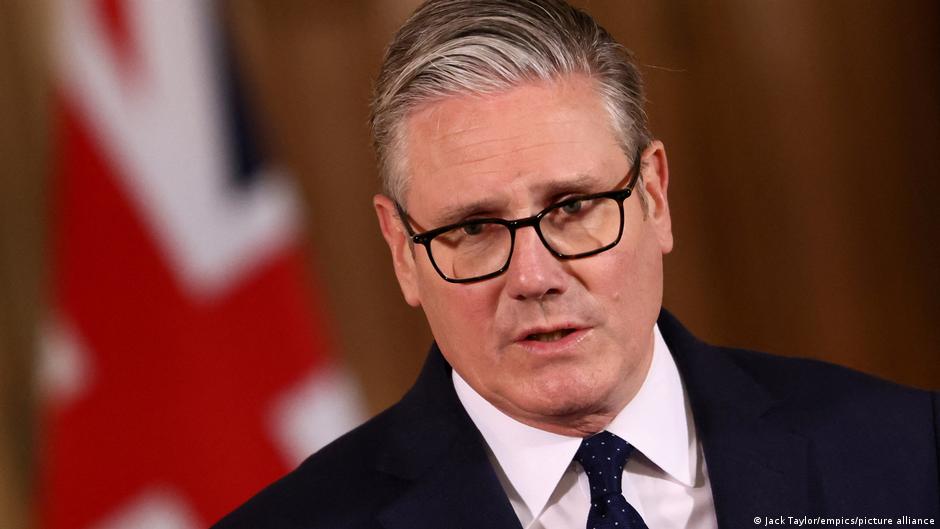
The UK government is preparing to increase its defence budget by £18 billion (approximately €20.6 billion), a move that comes amid ongoing political instability and has significant implications for the British economy and European security dynamics.
According to reports, Prime Minister Keir Starmer intends to formally approve this substantial defence spending boost between May 18 and 24. While the precise sources of funding remain unclear, government insiders have described the planned defence package as "entirely manageable" within the national budget.
Current projections indicate that the UK’s defence expenditure for the 2025-2026 fiscal year will reach £62.2 billion, underscoring a marked escalation in military investment.
Context and Implications for UK and European Interests
Starmer’s announcement arrives at a critical juncture, especially given the heightened geopolitical tensions in Europe, such as the ongoing conflict in Ukraine and concerns regarding Iran. The increased defence budget aligns with his previously stated commitment to prioritise national security and defence policy.
"This new defence package will be a cornerstone of the UK’s strategic response to emerging security challenges," a government source remarked.
Domestically, the announcement is viewed as a strategic effort by Starmer to consolidate his leadership amidst internal Labour Party dissent, where dozens of Labour MPs have recently called for his resignation. Strengthening defence spending is intended to counter criticisms about his government's ability to deliver on security promises.
From a financial perspective, the news has influenced sterling markets and London’s financial sector, with investors closely monitoring the UK’s fiscal discipline and potential impacts on public borrowing and inflation. The increased government spending is likely to prompt reassessment of the UK's credit outlook and could affect the pound’s exchange rate against the euro and other currencies.
For the European Union, enhanced UK defence spending signals London’s continued commitment to regional security and defence cooperation, despite Brexit. It may also open avenues for deeper collaboration in areas such as intelligence sharing and joint military initiatives, reassuring EU member states amid persistent security challenges.
Outlook for the British Economy and Defence Industry
The defence budget expansion is expected to provide a boost to the UK’s defence manufacturing sector, which is a significant contributor to regional economies and employment. Increased procurement and research funding could strengthen the UK’s position as a leader in advanced military technology, benefiting both domestic and European partners involved in defence supply chains.
However, the scale of the spending raise necessitates careful fiscal planning to avoid adverse effects on public finances and economic stability. The government’s pledge to keep the package "manageable" reflects awareness of these challenges.
In sum, the planned increase in UK defence expenditure not only represents a strategic response to evolving geopolitical risks but also serves as a critical test of Prime Minister Starmer’s political leadership and fiscal management amid complex domestic and international landscapes.