UN Faces Bankruptcy Amid Delayed US and China Payments Impacting Global Funding
The UN nears financial crisis as delayed contributions from the US and China strain the organization's budget, affecting London markets and European donors.
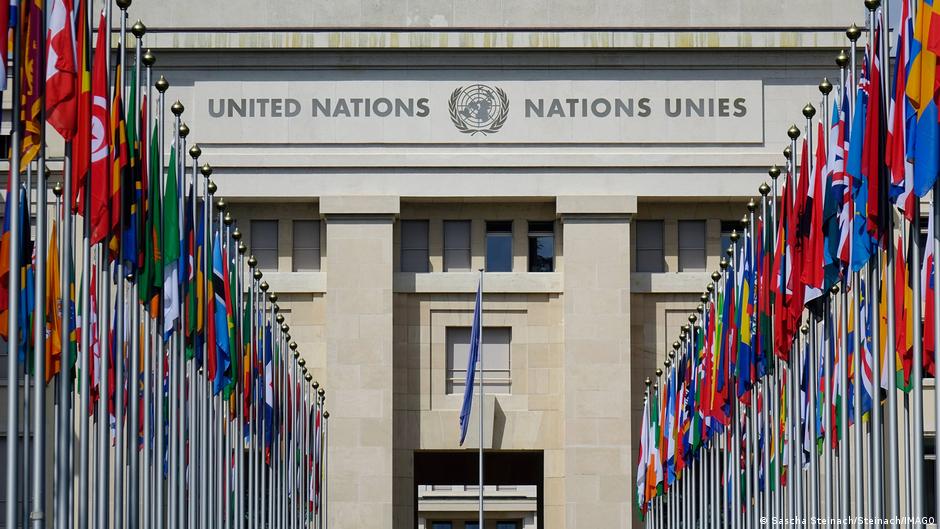
The United Nations is on the brink of bankruptcy due to delayed payments from the United States and China, which together constitute 42% of the organization's budget revenue, according to recent reports. This financial strain has also led to reduced support from key European donors, including Germany and the United Kingdom, raising concerns in London and across the EU about the broader implications for international cooperation and global stability.
Financial Strain and Impact on European Interests
The Wall Street Journal revealed that the US owes the UN more than $4 billion, while China, despite a recent payment of nearly $850 million during Foreign Minister Wang Yi's visit to the UN headquarters in New York, still owes approximately $455 million. China continues to assert that it remains a "de facto primary financial sponsor" of the UN and has promised to fulfill its obligations.
"The UN is in a race to bankruptcy," warned Secretary-General António Guterres as early as October 2023, emphasizing the very real prospect of financial collapse by mid-August 2024.
The US has linked its future financial support to significant budget cuts within the UN, demanding measures such as reducing staff, limiting business-class flights, and utilizing machine translation to cut costs. These austerity demands resonate deeply in London, where financial markets are attentive to US fiscal policy shifts, and among EU policymakers concerned about the ramifications of reduced UN operations on global governance.
European nations have also cut funding. The UK and Germany have decreased allocations to humanitarian programs combating hunger and disease, while countries like Sweden and the Netherlands have reduced payments amid rightward political shifts. These cutbacks threaten to undermine critical UN initiatives that align with EU and British foreign policy priorities, including peacekeeping and humanitarian relief efforts.
Operational Cuts and Consequences for UN Missions
With funds running low, the UN has implemented sweeping expenditure reductions. This includes the closure of several offices and the elimination of a record 3,000 secretariat jobs. Operational adjustments such as reduced translator shifts, disabling escalators in UN buildings, and postponing maintenance of the New York headquarters highlight the severity of the crisis.
Peacekeeping operations, crucial to European security interests, are also impacted. The UN has accelerated troop withdrawals from African conflict zones and drastically cut peacekeeping budgets. Payments to poorer troop-contributing countries like Nepal and Bangladesh have been delayed, threatening the continuity and effectiveness of "blue helmet" missions that the UK and EU have long supported.
The UN's inability to take on debt and limited authority to restructure or terminate personnel exacerbate the crisis. Attempts to save even small amounts, such as closing a secured entrance at the UN headquarters, faced diplomatic pushback and were reversed within days. This illustrates the complex governance challenges within the UN system that British and European policymakers must consider as they evaluate future international engagement and funding strategies.
As the UN approaches a critical funding cliff, the impending decision over the successor to Secretary-General Guterres—whose term ends in 2026—gains urgency. The financial instability casts a shadow over the organization's capacity to maintain its global role, posing strategic challenges for London and Brussels as they navigate their commitments to multilateralism amid tightening budgets.