US Cancels Iran Strikes Amid Negotiations, Impacting London Markets and Sterling
Trump halts planned strikes on Iran citing progress in talks, with potential agreement looming and implications for UK and European energy markets.
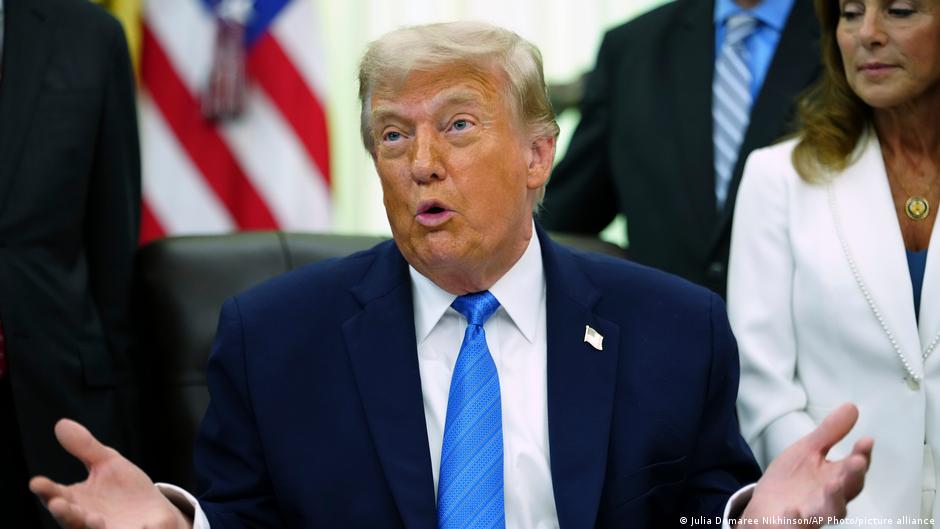
US President Donald Trump has cancelled planned military strikes against Iran following reports of significant progress in negotiations with Iran’s senior leadership. The development, announced on 11 June, comes amid growing hopes for a diplomatic resolution to escalating tensions in the Gulf region, with potential implications for British and European markets, particularly in energy and sterling valuation.
Diplomatic Breakthrough and Regional Stakeholders
Trump took to the social media platform Truth Social to announce the cancellation of strikes that had been scheduled for the evening of 11 June. He cited successful discussions with Iran’s top echelons as the main reason for the decision, stating that the final terms of a potential deal have been agreed upon by multiple regional players including Israel, Saudi Arabia, the UAE, Qatar, Turkey, Pakistan, Bahrain, Kuwait, Jordan, and Egypt.
“The maritime blockade remains fully in place until the deal is concluded — the time and place for signing will be announced shortly,” Trump stated.
Later the same evening, Trump indicated to reporters that a “magnificent agreement” with Tehran could be signed as soon as this weekend, possibly in Europe. However, Trump himself will miss the signing due to his 80th birthday celebrations on 14 June. Instead, Vice President J.D. Vance is expected to attend. The deal is anticipated to prevent Iran from developing nuclear weapons and to reopen the strategically crucial Strait of Hormuz, a vital waterway for global oil shipments.
Market and Sterling Impact
The announcement of a potential diplomatic breakthrough has generated cautious optimism in London and across European financial centres. The Strait of Hormuz serves as a pivotal chokepoint through which approximately 20% of the world’s petroleum passes, making regional stability a key concern for energy markets. The possibility of de-escalation promises relief for British and European energy importers, potentially easing oil price volatility and affecting sterling exchange rates due to changing risk premiums on supply disruptions.
London’s financial markets responded with measured gains, reflecting hopes for decreased geopolitical risk in the Middle East. Analysts highlight that a reduction in military tensions could stabilise oil supply forecasts, which currently weigh heavily on the British pound due to the UK's energy import dependence and the inflationary pressures linked to energy prices.
Continuing Uncertainty
Despite the optimistic tone from Washington, Tehran has yet to make a final decision. Iranian Foreign Ministry spokesperson Esmail Bagai stated that no conclusive agreement has been reached so far. Additionally, warnings from Iranian parliamentary speaker Mohammad Bagher Ghalibaf highlighted the risks of impulsive US actions potentially dragging the conflict into a prolonged stalemate. He cautioned that the US might encounter a “different Iran” if hostilities continue.
Only hours before the ceasefire announcement, US Central Command resumed airstrikes against Iranian targets in response to what it described as ongoing Iranian aggression. These military actions were met by Iranian retaliatory missile strikes on US bases in the Gulf and Jordan, with enhanced air defence activity reported in Kuwait and Bahrain. Iran also reiterated its closure of the Strait of Hormuz, threatening attacks on any vessel attempting passage.
For British and European stakeholders, the evolving situation underscores the fragile balance of regional security and its direct link to global energy supplies and currency markets. While the prospect of a diplomatic agreement offers hope for market stability, the risk of renewed conflict remains a critical concern for investors and policymakers alike.


