US Court Blocks Trump-Era $100,000 H-1B Visa Fee, Impacting UK and EU Tech Recruitment
Federal judge rules Trump administration's $100,000 H-1B visa fee illegal, affecting global talent flows crucial to UK and European tech sectors.
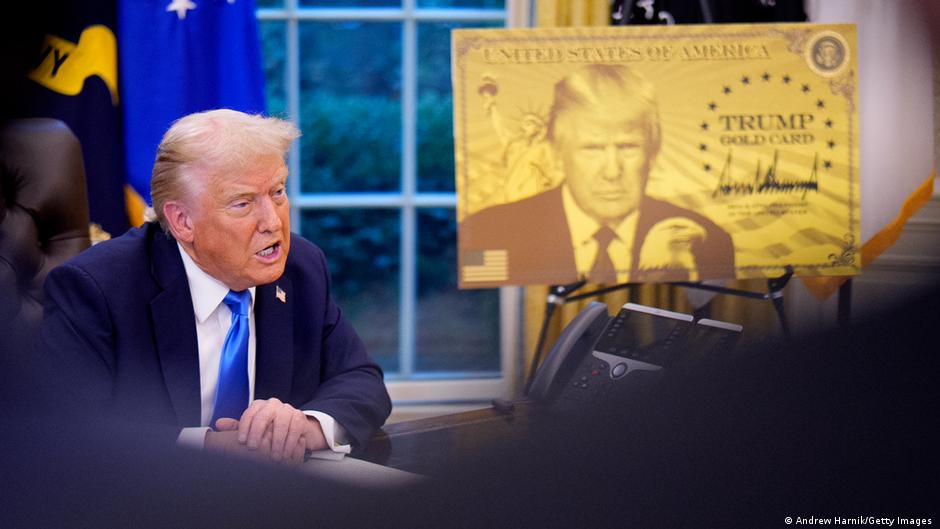
A US federal judge has ruled illegal the $100,000 fee imposed by the Trump administration for H-1B work visas, a decision that could reverberate through global technology hubs including the UK and European Union.
Significance for British and EU Tech Markets
On June 8, Federal District Judge Leo Sorokin struck down the Trump-era visa surcharge, which was introduced in September 2025. The fee was intended for high-skilled foreign workers applying for H-1B visas, commonly utilized by large technology companies globally to secure specialist talent. The judge concluded that the fee constituted an unauthorized tax, exceeding presidential authority.
"The President did not have the power or delegated authority to impose a tax on H-1B visa applications," the ruling stated.
This decision comes after a coalition of 20 US states challenged the fee, which had been part of broader immigration restrictions aimed at protecting American jobs. Previously, the visa application fee was capped at approximately $5,000 before the Trump administration's hike to $100,000, which was widely criticized for its potential to restrict access to crucial international talent.
Nearly 75% of approved H-1B visa holders come from India, underscoring the visa's role in global tech talent mobility. For the UK and EU, which rely heavily on international tech professionals to drive innovation and growth, the ruling could ease some pressure caused by US immigration policies that have previously limited access to highly skilled workers.
London’s financial and tech markets have shown increasing interest in attracting global talent amid post-Brexit adjustments and shifting US immigration practices. The rollback of the fee may encourage companies considering transatlantic operations to revisit US hiring strategies, potentially balancing talent flows across the Atlantic.
While another federal judge earlier upheld the fee's legality, that verdict is currently under appeal, creating ongoing uncertainty. The removal of the $100,000 fee could make the US a more competitive destination for high-skilled workers, indirectly influencing recruitment dynamics within Europe and the UK, where visa and immigration regimes remain more restrictive.
Industry experts suggest that any easing of US visa costs and restrictions will be closely monitored by British and European employers who depend on seamless access to global talent pools. The ruling highlights the interconnectedness of immigration policies and international business strategies in a competitive global market.