US Expands Sanctions on Cuba’s Leadership Amid Rising Tensions Affecting UK-EU Interests
Washington targets Cuban President and Castro family with fresh sanctions, escalating pressure that could impact UK and European economic relations.
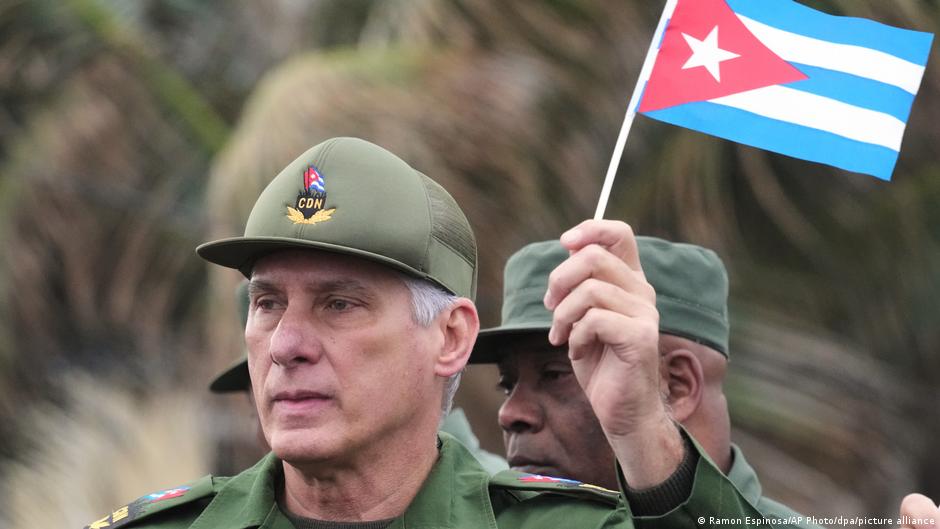
The United States has intensified its economic sanctions against Cuba’s leadership, extending restrictions to President Miguel Díaz-Canel and members of the Castro family. These measures underscore the growing geopolitical tensions between Washington and Havana, with implications for business and financial interests in the UK and European markets.
Sanctions Target Key Cuban Figures Amid Strained Relations
On June 4, the US Treasury Department announced new sanctions that broaden the scope of existing restrictions on Cuba’s government. The latest round includes President Díaz-Canel, his wife, and stepson, as well as the son and grandson of former Cuban leader Raúl Castro. These moves follow earlier sanctions by the US State Department in July of the previous year, which had targeted Díaz-Canel individually.
Raúl Castro, aged 95, although no longer holding official positions, remains influential in Cuba’s political decision-making. The US has further accused him of involvement in the 1996 destruction of two civilian aircraft, an incident that claimed four lives.
“The expanded sanctions reflect Washington’s sustained strategy of increasing pressure on Havana during a period of escalating tensions.”
For months, the US has steadily increased economic and political pressure on Cuba. The Cuban government has accused Washington of seeking pretexts for military intervention. Former US President Donald Trump had previously threatened to "take control" of the island, highlighting the volatility in bilateral relations.
Implications for UK and European Business Communities
The renewed sanctions and geopolitical instability in Cuba come at a time when the UK and European Union maintain significant commercial interests in the wider Caribbean region. London, as a global financial hub, closely monitors developments that might affect sterling exchange rates and international trade flows.
Cuba’s proximity to the US, just 145 kilometers from Florida’s southern tip, and its longstanding economic embargo since 1962 continue to present challenges for businesses operating in the region. The island nation is currently facing its most severe economic crisis since the Soviet Union’s collapse, with widespread shortages of electricity and fuel impacting infrastructure and commerce.
Moreover, the US-led pressure on Venezuela, Cuba’s primary oil supplier until recently, has further destabilized the island’s energy security. The seizure of Venezuelan President Nicolás Maduro by US forces in January and subsequent disruption of oil shipments have compounded Cuba’s economic difficulties.
For UK and European investors, these developments raise concerns about supply chain disruptions, the stability of regional markets, and potential volatility in currency markets. The London market’s reaction has included cautious reassessment of risk exposure linked to Cuba and its trading partners.
As Washington continues to tighten sanctions and assert its strategic position in the Caribbean, businesses and policymakers in the UK and EU must carefully evaluate the evolving landscape. The interplay between US foreign policy and Caribbean economic realities will remain a critical factor influencing international trade and investment.