US Extends Suspension of Sanctions on Russian Oil Exports Until May 16 Amid Market Volatility
Washington prolongs license allowing sales of already loaded Russian oil, impacting UK and European energy markets.
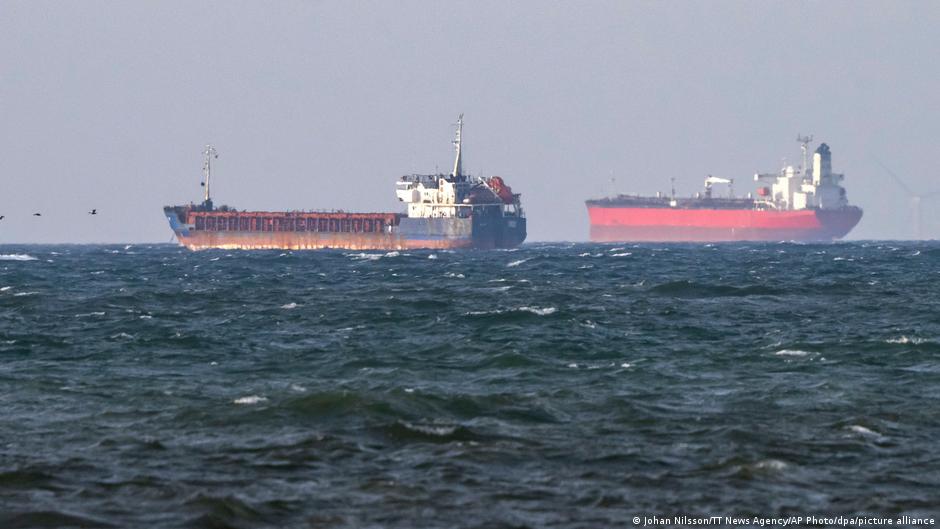
In a notable development impacting global energy markets, the United States has extended its suspension of sanctions on Russian oil and petroleum products shipments until May 16. This move, announced on April 18, affects oil already loaded onto tankers, allowing continued trade despite ongoing sanctions regimes.
Context and Implications for UK and European Markets
The extension comes despite earlier signals from US Treasury Secretary Scott Bessent that such waivers would not be renewed beyond their initial terms. Originally introduced on March 13 as a short-term measure amid rising energy prices triggered by geopolitical tensions in the Middle East, the exemption was set to expire on April 11.
For the United Kingdom and European Union, where energy supply security and price stability remain critical concerns, the decision has multifaceted implications. London’s oil trading hubs and the broader European market are closely watching how this extension affects crude supply chains and sterling valuations.
"The temporary suspension of sanctions reflects Washington’s balancing act between energy market stability and geopolitical pressure," said market analysts in London.
By facilitating continued shipments of Russian crude already en route, the waiver helps moderate immediate supply disruptions. However, European policymakers remain cautious, as the broader strategic goal of limiting Russia’s oil revenues continues to influence sanctions policy.
Market Reaction and Economic Impact
Data from the International Energy Agency reveals that Russian oil revenues surged to nearly $19 billion in March, almost doubling compared to February figures. This spike is attributed to increased sales following the easing of restrictions, compounded by destabilizing events such as the conflict in the Middle East.
The New York Times reported on April 13 that Russia was generating over $100 million in additional daily income from oil sales post-sanctions relaxation. Yet, this revenue boost has not significantly driven up global oil prices, partly due to extensive use of shadow tanker fleets that circumvent international controls.
For London’s financial markets, the continued flow of Russian crude presents a complex scenario. While the extension helps temper supply-side shocks that could drive up energy costs and inflationary pressures affecting the sterling, it also raises questions about the effectiveness and enforcement of sanctions regimes.
Traders and analysts in the City are monitoring how these developments influence crude price volatility, currency fluctuations, and broader investor confidence. The UK’s energy trading infrastructure remains heavily interconnected with European and global markets, positioning London at the forefront of reactions to such geopolitical shifts.
Strategic Outlook
As Washington balances energy market stability with the geopolitical objective of curbing Russian revenues, European stakeholders face a nuanced landscape. The extension of the sanctions exemption underscores ongoing tensions between economic imperatives and political strategies.
For British businesses and policymakers, the key challenge lies in navigating these uncertainties while safeguarding energy supplies and managing the sterling’s exposure to oil price fluctuations. The London market’s response will provide critical signals for broader European economic resilience amid evolving sanctions dynamics.