US House Approves New Sanctions on Russia and Boosts Aid to Ukraine Amidst UK and EU Market Watch
The US House passes a bill imposing additional sanctions on Russia and increasing military aid to Ukraine, with implications for British and European economic interests.
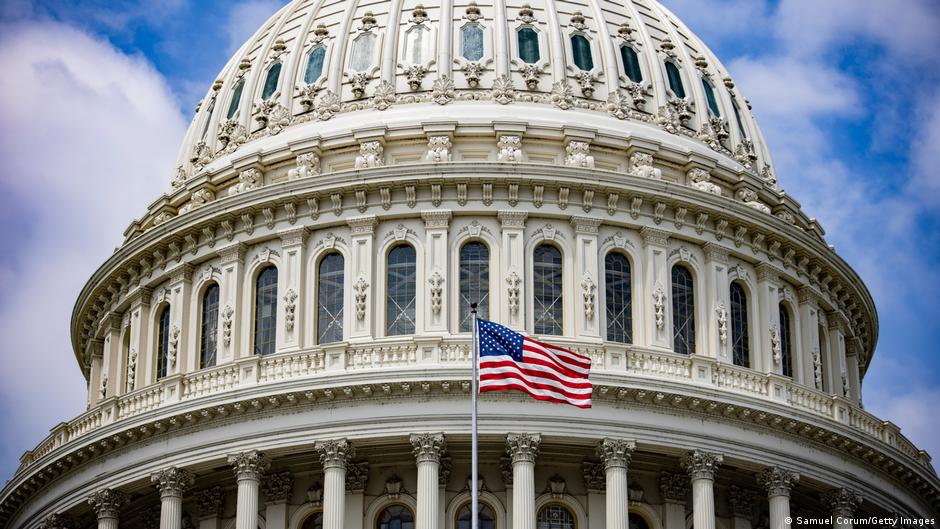
On June 5, the US House of Representatives approved a significant bill aimed at extending military support to Ukraine and tightening sanctions against Russia. The legislation, backed by a majority of 226 representatives, signals continued US commitment to Ukraine’s defense and economic pressure on Moscow. However, the bill must still pass the Senate before becoming law.
Implications for UK and European Markets
The approved bill includes provisions for a special fund to aid Ukraine’s reconstruction and renews presidential authority to transfer defense equipment to Ukraine and Eastern European allies via loans or leases. This expanded military and intelligence collaboration extends until 2027 and involves enhanced cooperation with European partners, including arms supplies, military training, and intelligence sharing.
For the UK and European Union, stability in Eastern Europe is crucial. The bill’s sanctions aim to restrict Russia’s economic capabilities, which could influence energy markets and financial links affecting sterling and the euro. London’s financial markets may react cautiously given their exposure to global geopolitical risks and the sanctions regime.
"This decision by the US House demonstrates bipartisan support for Ukraine and underlines the ongoing transatlantic security partnership," noted analysts tracking European business responses.
The sanctions give the US President authority to impose new restrictions, block assets of Russian individuals and entities, and introduce export controls and tariffs. These measures are designed to further curtail Russia’s capacity to sustain its military campaign.
European governments, particularly in the Baltic states, stand to benefit from reinforced support to their border forces, enhancing regional security. The bill’s focus on intelligence support and military training aligns with broader NATO efforts to deter further aggression, crucial for investor confidence across Europe.
The next critical stage is Senate consideration, where political dynamics could affect approval. Some Republican senators advocate for reduced foreign aid, reflecting ongoing debate over US involvement in Ukraine. Furthermore, former President Donald Trump, who has expressed intentions to control sanction policies centrally, may use his veto power if the bill reaches his desk following a potential 2025 administration change.
From a business perspective, the uncertainty around US domestic politics and sanction enforcement adds volatility to markets, including London’s financial hub. Businesses in the UK and EU will watch closely how the measures evolve, assessing impacts on trade flows, energy prices, and market confidence.
Overall, the US House’s approval marks a key moment in transatlantic relations, reaffirming commitment to Eastern European stability and signaling ongoing challenges for Russian economic activity. British and European economic interests remain intertwined with these geopolitical developments, underscoring the importance of coordinated responses among allies.


