US House Passes Resolution Restricting War Powers Against Iran, Impacting UK and EU Interests
The US House of Representatives limits presidential military action in Iran without congressional approval, with potential repercussions for sterling and London markets.
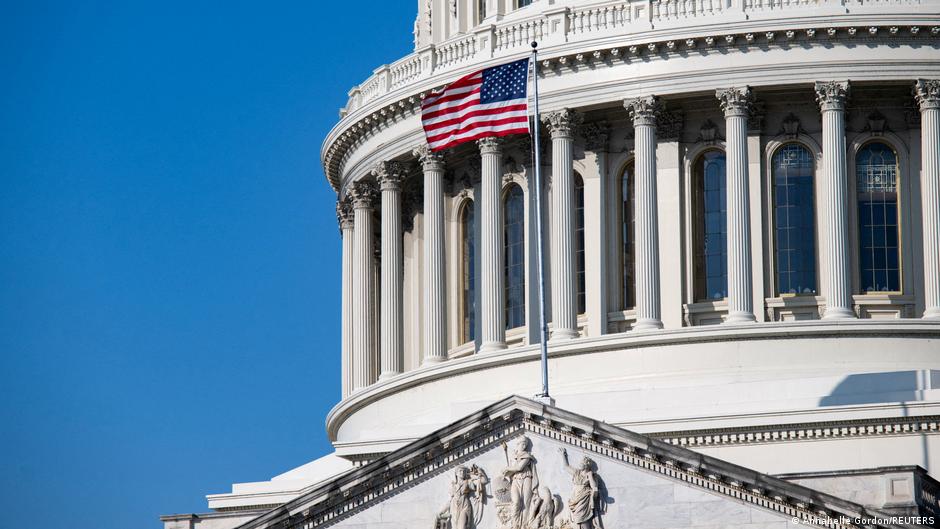
The United States House of Representatives has passed a landmark resolution that restricts President Donald Trump from continuing military operations against Iran without explicit congressional approval. This marks the first time the lower chamber has opposed the White House's stance on the conflict, signaling significant shifts in US foreign policy that carry implications for British and European economic interests.
Shifting US Policy and Its Transatlantic Impact
On June 3, the House approved the resolution with a narrow majority: 215 votes in favor and 208 against. Notably, several Republican members joined Democrats in supporting the measure despite the Republican majority in the House. Observers interpret this as a sign that support for escalating military action in Iran is waning even among President Trump's own party.
“The resolution’s passage highlights growing congressional resistance to executive-led military initiatives without legislative oversight,” said analysts monitoring transatlantic policy shifts.
Earlier, the US Senate had also expressed reservations. On May 19, the upper chamber supported a related resolution requiring the cessation of hostilities against Iran without parliamentary consent—passing by a narrow 50-47 vote. However, full Senate approval remains uncertain as some Republican senators abstained due to political campaigns.
Previous attempts to curtail military engagement with Iran were repeatedly blocked by Republicans in both legislative houses. The current resolution arose following US and Israeli military operations targeting Iranian assets earlier this year, which had escalated regional tensions.
Despite legislative action, President Trump is expected to veto the resolution if it passes both houses, according to political analysts. The War Powers Act of 1973 mandates that presidents obtain congressional approval for military actions extending beyond 60 days, but its enforcement has often been contested.
Consequences for UK Sterling and London Markets
The evolving US stance on Iran has significant ramifications for British and European markets. Heightened Middle East tensions typically increase oil price volatility, impacting energy costs across Europe and the UK. London’s financial markets, sensitive to geopolitical risk, have already reflected cautious trading amid the uncertainty.
With US congressional checks on military escalation, some market participants anticipate a potential de-escalation, which could stabilize oil prices and ease inflationary pressures tied to energy imports in the UK and EU. Conversely, continued conflict risks supply disruptions through the critical Strait of Hormuz, a vital oil transit chokepoint.
British businesses with interests in the region, including energy firms and exporters, remain alert to developments. The pound sterling’s exchange rates may experience volatility depending on perceptions of geopolitical stability and US foreign policy decisiveness.
Recent Military Actions and Diplomatic Efforts
Though President Trump notified Congress on May 1 that hostilities had concluded within the 60-day window specified by the War Powers Act, actual combat operations have persisted. On the night of May 3, Iran’s Revolutionary Guard Corps launched missile and drone strikes targeting US bases in Kuwait and Bahrain. In response, American forces struck an Iranian military installation on Qeshm Island in the strategic Strait of Hormuz.
Amidst these confrontations, the Trump administration asserts ongoing diplomatic negotiations with Iranian leadership aiming to formally end hostilities. The interplay between congressional oversight and executive diplomacy will be closely watched by European allies concerned about regional stability and global energy security.
As the US legislative branch asserts greater control over foreign military engagements, British and European policymakers will weigh the consequences for transatlantic cooperation and market confidence.