US Imposes 50% Tariffs on Canadian Goods, Impacting UK and EU Trade and Sterling Markets
New US tariffs on Canadian imports affect key sectors, stirring concerns over trade flows and market reactions in London and across Europe.
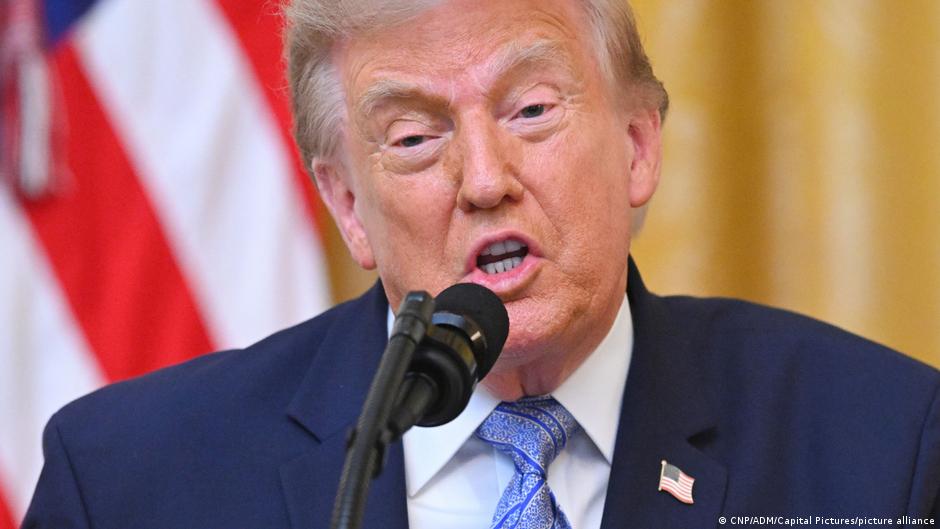
On July 20, the US President signed executive orders imposing 50% tariffs on a broad range of Canadian goods. The move, citing what Washington described as "discriminatory" practices by Canadian authorities against American alcoholic beverages, automobiles, and dairy products, threatens to disrupt established trade dynamics with ripple effects potentially felt in the UK and European markets.
Details and Implications for UK and EU Interests
The tariffs target a variety of Canadian exports, including wine, cement, and even hockey sticks. These levies will come into effect on August 19, excluding energy products, potash, and items already subject to industry-specific tariffs. Notably, the tariffs extend to goods covered under the US-Mexico-Canada Agreement (USMCA), which has governed trilateral trade relations since replacing NAFTA.
According to the US Trade Representative, James Greer, the new tariffs apply to roughly $20 billion worth of Canadian imports. Washington's rationale is to counter actions by Canada that restrict American alcohol sales, favor European Union dairy imports, and limit car exports from US-based manufacturers relocating production stateside.
"Canada removed American alcoholic beverages from its shelves, favored EU dairy producers, and imposed restrictions on US automobile exports," stated the trade representative.
The imposition of tariffs on products integral to the supply chains shared between Canada, the UK, and the EU could contribute to volatility in sterling and European markets, particularly London’s financial hubs, which have vested interests in smooth transatlantic trade flows. The added costs may shift sourcing strategies and affect pricing for businesses reliant on Canadian imports.
Canada’s Prime Minister Mark Carney responded by expressing readiness to intensify negotiations with Washington and proposing solutions to resolve the dispute and modernize USMCA provisions. Carney denounced the US actions as unilateral and a breach of the trilateral agreement, emphasizing Canada's reciprocal tariff measures as lawful responses.
Market watchers in London are closely monitoring potential impacts on sterling and investor sentiment, given the UK’s ongoing efforts to stabilize trade relationships post-Brexit. The disruption in North American trade relations can indirectly affect European supply chains and currency markets, with increased uncertainty possibly weighing on the pound.
Further complicating the trade environment, President Trump recently threatened to raise tariffs on Canadian imports due to cross-border air pollution from forest fires, adding an environmental dimension to the trade dispute. This escalation underscores the complex interplay between political, economic, and ecological issues influencing transatlantic commerce.
Additionally, earlier threats targeted Canadian aerospace exports, with the US warning of punitive tariffs on Canadian-made aircraft and potential certification withdrawals for models competing with US manufacturer Gulfstream. These developments signal prolonged tension that may unsettle industries beyond immediate bilateral trade, touching upon sectors with strong UK and EU supply chain links.
In summary, the US tariff actions against Canada create a pressure point affecting broader North American and European trade networks. British companies and investors are advised to anticipate increased market volatility, reassess exposure to affected goods, and monitor diplomatic efforts toward resolution, which could stabilize sterling and restore confidence in London's role as a key financial intermediary.