US-Iran Conflict Escalates Amid Middle East Tensions Impacting UK-EU Energy Markets
Continuous US strikes on Iran and Iranian retaliations raise concerns for British and European energy security and sterling market reactions.
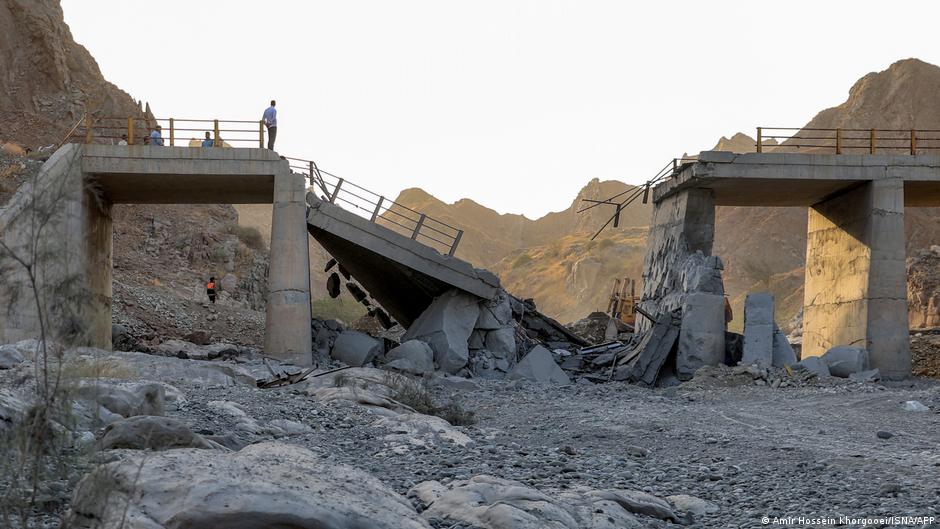
For the ninth consecutive night, the US military has launched airstrikes targeting Iranian positions following the breakdown of the ceasefire between Washington and Tehran. This ongoing escalation has prompted regional instability, directly affecting global energy markets and raising concerns for the UK and European economies reliant on secure oil and gas supplies.
Escalation of US-Iran Conflict Heightens Energy Market Volatility
According to the US Central Command (CENTCOM), the latest strikes targeting Iran commenced at 2:30 AM local Iranian time on July 20. The US military's stated objective is to degrade Iran's military capabilities, which Washington alleges are used for attacks against commercial shipping and civilian mariners in the strategically vital Strait of Hormuz.
In response, Iranian forces have struck American military installations in Kuwait and Bahrain, further intensifying hostilities in the region. The Islamic Revolutionary Guard Corps (IRGC) announced it intercepted two oil tankers attempting to enter or exit the Strait of Hormuz via a southern route deemed "illegal" by Tehran, resulting in explosions aboard the vessels.
"Tonight, we delivered a very serious strike in honour of fallen American soldiers," said US President Donald Trump, emphasizing that the recent attacks were retribution for US military casualties.
The conflict has already resulted in 17 US military deaths since its escalation, with CENTCOM confirming three fatalities during the latest confrontations.
Maritime traffic through the Strait of Hormuz, a critical chokepoint for global oil transit, has seen a marked decrease amid the heightened military tensions over the past weekend. Data from the London Stock Exchange reveal that only four vessels passed through the strait on July 19, down from eight on July 18.
The reduction in shipping activity has immediate implications for the UK and European energy sectors, given their reliance on stable crude oil and liquefied natural gas (LNG) supplies from the Gulf region.
Implications for UK Sterling and European Energy Security
Despite disruptions, reports from S&P Global indicate that LNG production in Qatar and the United Arab Emirates remains relatively stable. However, the volume of LNG stored on waiting tankers in the Persian Gulf has increased, with approximately 1.9 million tonnes currently held on vessels awaiting clearance. This buildup reflects uncertainty and logistical challenges in the region's energy supply chain.
For the UK and broader European markets, the ongoing US-Iran conflict poses significant risks. The Sterling currency has shown sensitivity to geopolitical tensions, as disruptions in Middle Eastern energy exports can influence inflation expectations and trade balances.
London's financial markets are closely monitoring developments, given their role as a global hub for energy trading. Increased volatility in oil and gas prices could impact investment flows and hedging strategies for British companies and European partners.
The continuation of military actions and maritime incidents in the Strait of Hormuz underscores the fragility of energy security in Europe and the strategic importance of diplomatic engagement to de-escalate tensions.