US-Iran Naval Clash Disrupts Strait of Hormuz Amid Rising Tensions Impacting UK-EU Trade
US seizure of Iranian-flagged cargo ship in Gulf of Oman escalates conflict, raising concerns for British and European shipping and sterling markets.
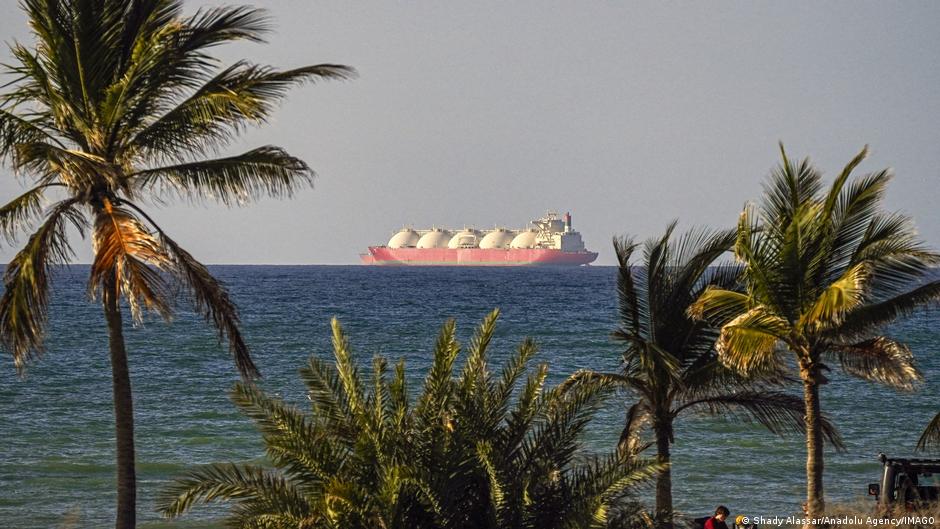
The recent seizure of an Iranian-flagged cargo vessel by United States naval forces in the Gulf of Oman has sparked a new wave of tensions between Washington and Tehran, challenging fragile regional stability and casting uncertainty over international maritime trade routes critical to the UK and European economies.
Incident and Military Accusations
According to Tehran's Central Military Headquarters, the US operation to intercept the Iranian cargo ship was an "act of piracy" and a direct violation of a ceasefire agreement. The Iranian military spokesman, Hazrat Khatam al-Anbiya, condemned the US action as "aggressive" and an infringement on Iran's sovereign shipping rights.
US President Donald Trump, communicating via his social media platform Truth Social, justified the seizure by stating the ship was attempting to bypass a maritime blockade of Iranian ports in the Strait of Hormuz imposed by Washington. The US Central Command (CENTCOM) in the Middle East corroborated the capture of the vessel and reported that US forces had engaged with the ship to enforce restrictions.
"Aggressive America has violated the ceasefire and committed an act of maritime piracy," stated the Iranian military in response to the US operation.
Implications for UK and European Business Interests
The Strait of Hormuz is a pivotal chokepoint through which approximately a fifth of the world's oil passes, making its security vital to global energy markets. For the UK and European Union, disruptions in this region can lead to volatility in oil prices and sterling exchange rates, as energy costs directly impact inflation and consumer prices.
London's financial markets are sensitive to geopolitical instability affecting commodity flows. The escalation between the US and Iran may provoke risk aversion among investors, resulting in sterling fluctuations and impacting European export-import businesses relying on stable energy and shipping costs.
Furthermore, British and European shipping companies operating in the Gulf could face increased insurance premiums and operational risks due to heightened military activity and uncertain maritime security conditions.
Diplomatic Prospects and Regional Stability
The incident clouds the prospects for a new round of US-Iran negotiations previously hinted at by President Trump. Iranian authorities, as reported, have declined to participate in talks while the US blockade of Iranian ports in the Strait of Hormuz remains in effect, deepening the diplomatic impasse.
This standoff poses broader risks to regional stability, potentially affecting energy supply chains crucial to the UK and European economies. Prolonged conflict or further escalations could compel London and Brussels to reassess their strategic approaches to energy security and diplomatic engagement in the Middle East.
As the situation evolves, close monitoring by UK and EU policymakers and businesses will be essential to navigate the uncertainties arising from this maritime confrontation and its ripple effects on international trade and financial markets.