US-Mediated Israel-Lebanon Ceasefire Agreement Eases Middle East Tensions, Impacts London Markets
Israel and Lebanon agree to ceasefire with US mediation, raising cautious optimism in European markets and influencing sterling amid regional stability hopes.
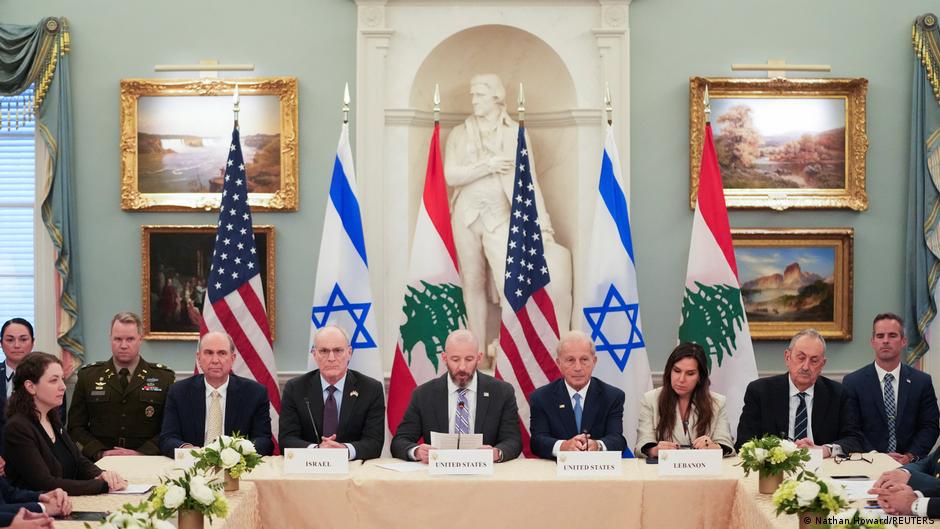
The United States Department of State has announced a ceasefire agreement between Israel and Lebanon, brokered under Washington's mediation efforts. The accord calls for a complete cessation of hostilities by the Lebanese militant group Hezbollah and the withdrawal of its fighters from the zone south of the Litani River.
This development follows intensive two-day negotiations involving Israeli and Lebanese representatives in Washington, culminating in a tripartite statement released on June 3. The agreement is conditional upon Hezbollah’s adherence to the ceasefire and the establishment of pilot zones under exclusive control of the Lebanese army.
Implications for UK and European Business and Financial Markets
The ceasefire marks a significant step toward stabilizing a region whose volatility has previously reverberated through global energy supplies and financial markets. London’s financial sector, which closely monitors geopolitical risks affecting sterling and European equities, responded cautiously optimistic to the news.
"The US-mediated ceasefire between Israel and Lebanon offers a welcome respite that could reduce near-term risks to energy markets and investor sentiment, benefiting the sterling and European financial sectors," said a market analyst.
Unrest in the Middle East historically influences crude oil prices and investor behavior on markets such as the London Stock Exchange. The easing of hostilities may contribute to lower volatility in energy prices, potentially easing inflation pressures in the UK and the broader European Union.
Moreover, the announcement signals a possible reopening of direct negotiations scheduled for the week starting June 22, aiming toward a comprehensive peace settlement between the two countries. European businesses with interests in regional energy infrastructure and trade routes are watching closely as stability could encourage renewed investment and supply chain confidence.
Background of the Conflict and Recent Escalations
The recent escalation began in March amid wider US-Israel conflicts with Iran, following the death of Iran’s supreme leader, Ayatollah Ali Khamenei, during US-Israeli operations. Hezbollah responded with renewed rocket attacks on Israel, which retaliated with intense aerial strikes, including in Beirut, and launched a ground operation to create a buffer zone along its southern border.
Casualties have been severe, with Lebanese health authorities reporting approximately 2,200 deaths, including many civilians, and the Israeli military claiming over 1,700 Hezbollah fighters killed since March. The humanitarian toll has added urgency to diplomatic efforts.
Despite earlier partial ceasefires and direct talks—the first since 1993—hostilities had resumed multiple times, including after a controversial Israeli strike near Beirut suburbs on June 1 that temporarily derailed US-Iran negotiations.
US President Donald Trump emphasized on social media that the ceasefire was a pivotal step towards continued war-ending talks, underscoring Washington’s active role in de-escalation and its potential influence on stabilizing global markets.
Outlook for Sterling and European Markets
Financial analysts anticipate that sustained peace efforts could foster a more predictable international environment, encouraging cautious investor confidence. Sterling, sensitive to global risk dynamics, may benefit from diminished geopolitical uncertainty, while European equities linked to energy and defense sectors may see reassessments of risk premiums.
Continued monitoring of the ceasefire’s enforcement and subsequent negotiations remains crucial. The UK and EU’s strategic interests in Middle Eastern stability—particularly in energy security and trade—position them as stakeholders in the unfolding diplomatic landscape.


