US Military Strike on Vessel Bound for Iran Raises Concerns for UK and EU Maritime Trade
US forces intercepted a Gambian-flagged ship in the Gulf of Oman amid heightened tensions affecting global shipping routes and London markets.
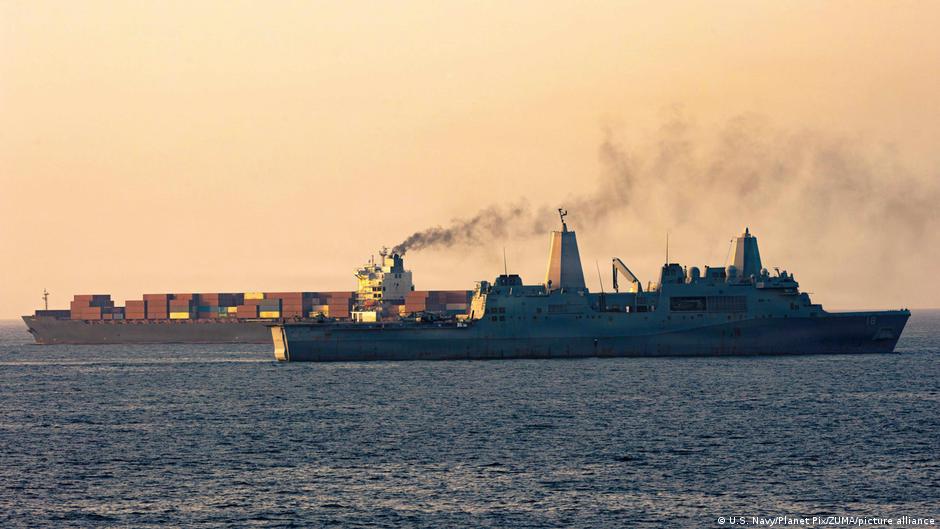
On May 30, the US military launched a missile strike on a Gambian-flagged cargo vessel, Lian Star, in the Gulf of Oman after it reportedly ignored over 20 warnings to halt its course towards an Iranian port. The incident has significant implications for British and European businesses reliant on secure maritime trade through the Strait of Hormuz and adjacent waters.
US Enforcement of Strait of Hormuz Blockade and Market Implications
The US Central Command (CENTCOM) stated that the strike was part of ongoing efforts to enforce a blockade of the Strait of Hormuz, a vital shipping route for global oil and goods. According to CENTCOM, Lian Star was disabled after the crew failed to comply with multiple warnings about violating the blockade. The missile targeted the vessel’s engine room, rendering it unable to proceed to Iran.
"The US military has taken decisive measures to prevent vessels linked to Iran from transiting this strategic waterway," CENTCOM said, noting that since April, five commercial ships have been disabled and 116 others rerouted under similar enforcement actions.
The Strait of Hormuz remains a critical chokepoint for the UK and EU energy security, with a substantial volume of oil and goods passing through these waters en route to European markets. Disruptions or military actions in the region can drive volatility in the sterling exchange rate and impact London's international trading and shipping sectors.
"Any escalation in the Gulf region poses a direct risk to the stability of global supply chains that British and European businesses depend upon," said a maritime security expert.
Meanwhile, Tehran has reportedly responded by blocking passage for vessels linked to the US, escalating the tit-for-tat maritime tensions. This dynamic threatens to increase insurance costs for shipping companies and could prompt London-based insurers and freight operators to reassess their risk exposure in the region.
Regional Security Developments and Diplomatic Efforts
The strike occurred shortly after Iran launched a missile attack on the Ali Al Salem US airbase in Kuwait, injuring five personnel and damaging two MQ-9 Reaper drones—each valued at approximately $30 million. These events underscore ongoing instability affecting the security environment critical to international maritime trade.
Reports from US officials indicate preliminary progress in negotiations with Iran aimed at resolving the conflict, but US President Donald Trump has yet to approve any agreement, insisting on stringent conditions including Iran’s renunciation of nuclear weapon development.
Iranian authorities maintain that no final deal has been reached, leaving the prospect of continued military confrontations and their associated economic repercussions in the region.
For British and European stakeholders, the evolving situation demands careful monitoring. The effects on sterling and European market confidence will largely depend on the trajectory of US-Iran relations and the stability of Gulf shipping lanes.