US Military Strikes Against Iran Enter Tenth Day amid Rising Middle East Tensions
Continued US attacks target Iranian air defenses and missile sites, raising concerns for UK and EU energy security and market stability.
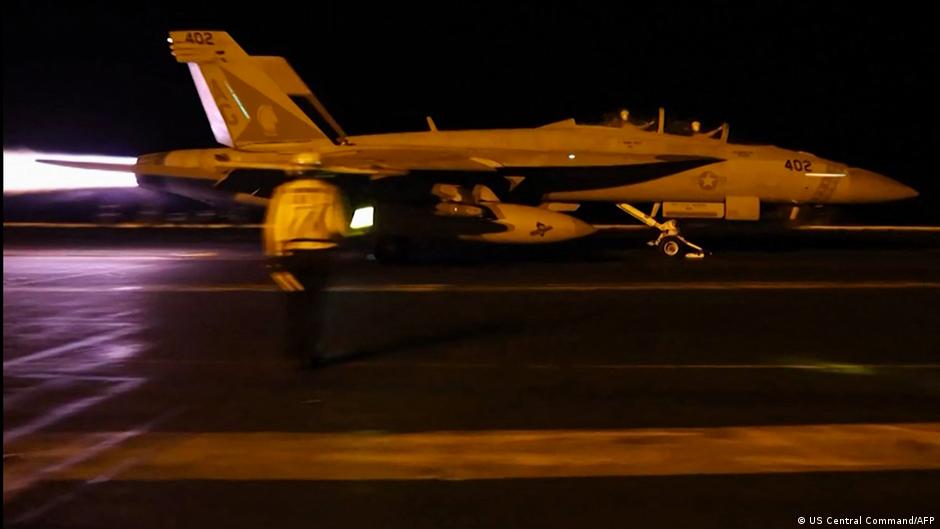
For the tenth consecutive day, US military forces have launched sustained attacks against Iran, focusing on air defense systems and missile and drone launch sites, according to Central Command (CENTCOM). The escalation follows retaliatory strikes by Tehran on countries hosting US military bases and has significant implications for British and European business, particularly concerning energy supplies and market volatility.
US-Iran Conflict Escalates, Impacting Global Energy Routes
The latest wave of US airstrikes began at 16:00 Eastern Time on Monday, July 20 (22:00 Central European Time), targeting Iranian military command centers and infrastructure associated with missile and unmanned aerial vehicle operations. CENTCOM described the strikes as measures to further degrade Iran's military capabilities used against commercial shipping in the Strait of Hormuz, a critical chokepoint for global oil transportation.
"These strikes are intended to weaken Iran's military capabilities used for attacks on commercial shipping in the Strait of Hormuz," CENTCOM stated on social media platform X.
Tehran responded with renewed drone and missile attacks in the Persian Gulf region, including assaults reported in Kuwait and Jordan. The Iranian Revolutionary Guard Corps (IRGC) also announced the seizure of two oil tankers attempting to navigate the Strait of Hormuz via southern routes, with reports indicating the vessels exploded, further disrupting maritime traffic.
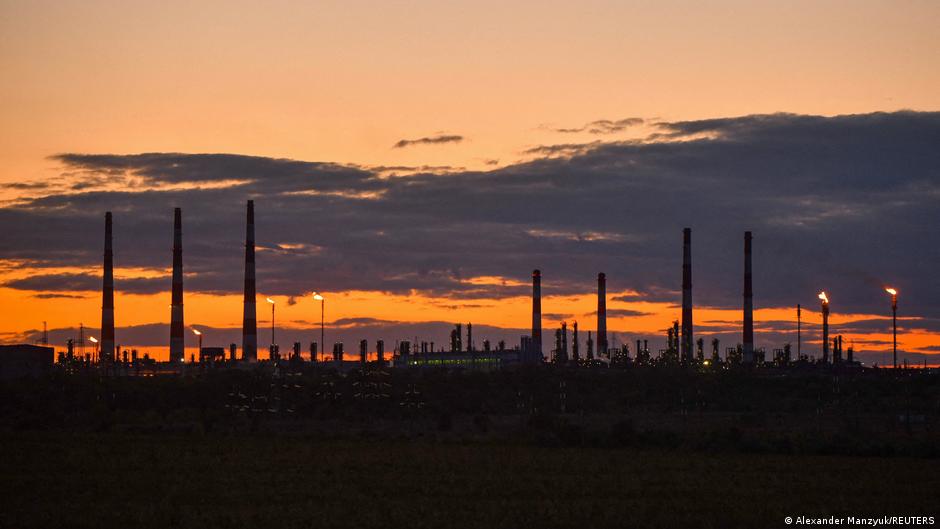
The Strait of Hormuz is vital for the UK and EU, as a significant portion of their energy imports transit this narrow waterway. Over the weekend, vessel traffic through the strait dropped sharply, with only four ships passing on July 19 compared to eight the previous day, as per data from the London Stock Exchange. This decline underscores increasing risks to energy supply chains serving British and European markets.
London Market Reaction and Sterling Outlook
In financial markets, the ongoing Middle East hostilities have contributed to heightened volatility, particularly in energy prices and sterling exchange rates. Investors are closely monitoring the situation given the UK's reliance on stable energy imports and the potential for ripple effects on inflation and trade balances.
The British pound has experienced fluctuations amid risk-off sentiment, as uncertainties over global oil supply and geopolitical tensions weigh on investor confidence. London’s financial sector, a hub for commodity trading and risk management, remains vigilant as the conflict threatens to disrupt markets beyond the immediate region.
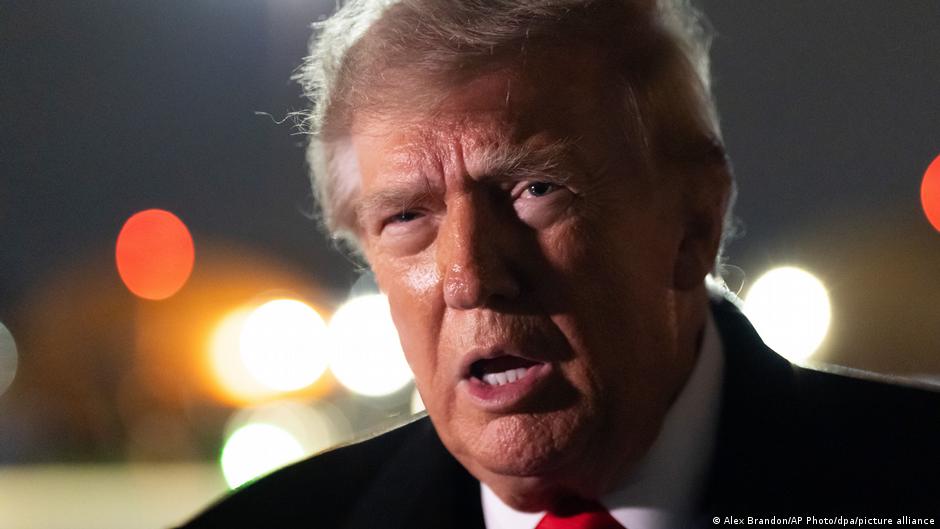
US President Donald Trump reinforced the administration's hardline stance, warning of "multiple consequences" for Iran should further American casualties occur. This rhetoric indicates the possibility of continued military escalation, which could prolong instability affecting European energy security and economic interests.
The extended conflict raises pressing questions for British and EU policymakers on diversifying energy sources and safeguarding trade routes in response to geopolitical risks. The situation underscores the interconnectedness of international security developments with economic and financial sectors in Europe.