US Postpones Planned Military Strike on Iran, Impacting Sterling and London Markets
Donald Trump announces delay of May 19 attack on Iran after Gulf leaders’ intervention, triggering cautious reactions in UK and EU financial sectors.
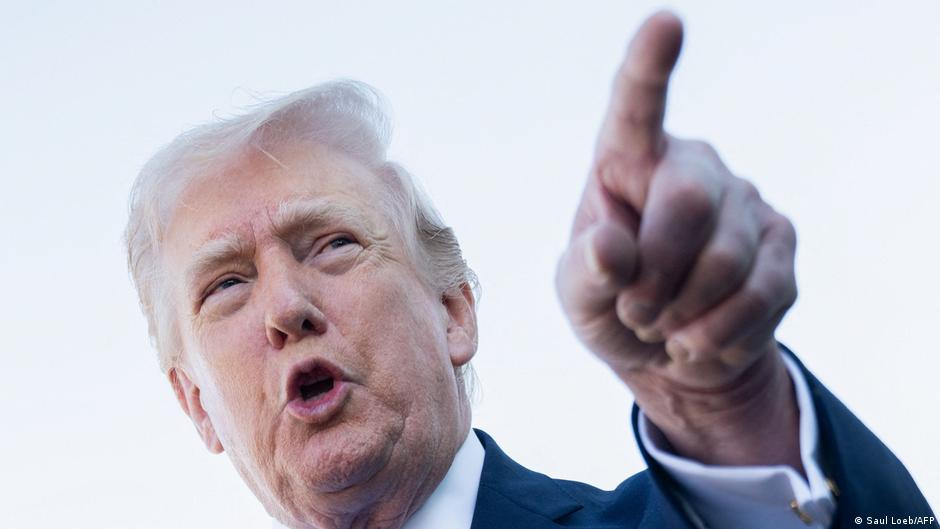
Former US President Donald Trump disclosed that he postponed a "planned military attack" on the Islamic Republic of Iran, originally scheduled for May 19. This announcement came via his social media platform, Truth Social, on May 18.
Trump stated that the decision to delay was influenced by requests from key Gulf leaders including Sheikh Tamim bin Hamad Al Thani, Emir of Qatar; Crown Prince Mohammed bin Salman of Saudi Arabia; and Sheikh Mohammed bin Zayed Al Nahyan, President of the United Arab Emirates. According to Trump, "serious negotiations" are now underway aiming for an agreement beneficial to both the United States and countries across the Middle East.
Implications for UK and European Markets
The postponement of direct military action has been met with guarded optimism in European financial circles, particularly in London, where sterling experienced modest gains amid reduced geopolitical uncertainty. The potential destabilisation of global oil markets, closely tied to Middle Eastern tensions, has significant implications for the UK economy and wider European energy security.
"An escalation in the Gulf region could have led to volatility in oil prices, impacting inflationary pressures in the UK and EU," commented a London-based market analyst. "The delay eases immediate concerns, but the underlying risks remain as negotiations continue."
"The ongoing talks could stabilize energy markets crucial to British and European interests if a diplomatic resolution is achieved."
London's financial markets have been carefully monitoring developments, aware that any military engagement could disrupt supply chains and investor confidence. The prospect of an agreement that includes a nuclear weapons ban for Iran, as claimed by Trump, would be favourable to international stability and trade.
Despite the pause, Trump has instructed US defence officials, including Pentagon chief Lloyd Austin and Chairman of the Joint Chiefs of Staff General Mark Milley, to remain prepared for a full-scale operation against Iran if negotiations fail. This dual approach maintains pressure on Tehran while allowing diplomatic channels to remain open.
Previously unreported, the planned timing of the strike caught many international observers by surprise. Iranian officials have confirmed that their stance was communicated to the US through Pakistan, where mediation efforts have been ongoing.
Iranian state media recently published US conditions for peace talks, including demands to remove 400 kilograms of enriched uranium from Iran and to restrict operations to a single nuclear facility. Washington reportedly refuses compensation for damages caused to Iran during the conflict initiated by US and Israeli actions. These demands have been met with accusations from Tehran that the US aims to achieve through negotiations what it could not by military means.
The stalemate has been compounded by repeated violations of the fragile April truce brokered with Pakistani mediation. US naval forces continue to blockade Iranian ports while Iranian drones persistently target shipping lanes in the Strait of Hormuz and military installations in the Gulf region.
For British and EU policymakers, the delicate situation underscores the importance of maintaining robust diplomatic engagement and preparedness for potential market disruptions. Energy security, trade stability, and currency market responses will remain key areas of focus as negotiations progress.