US Rejects NATO Assistance in Strait of Hormuz Amid UK-EU Security Initiatives
Trump declines NATO help in Strait of Hormuz; UK and France lead new multinational mission to safeguard shipping routes, impacting London markets and sterling.
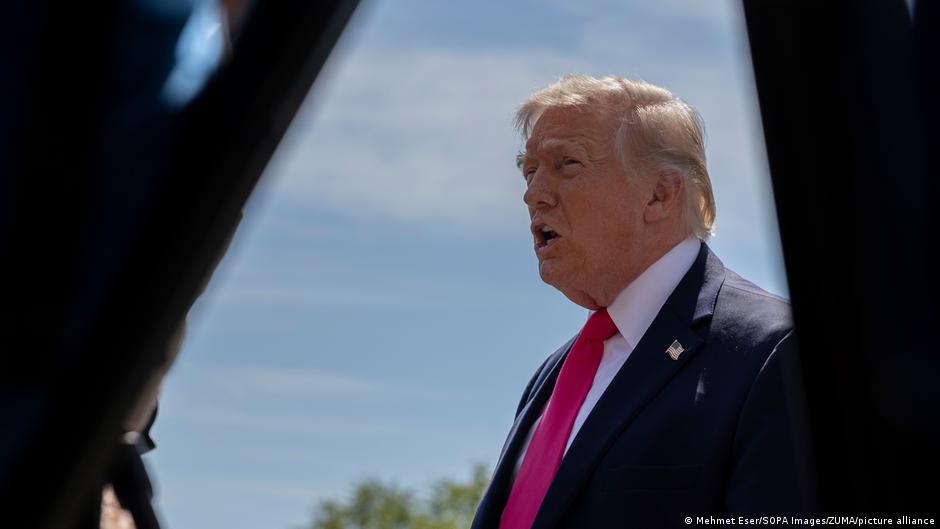
Former US President Donald Trump has refused an offer of assistance from NATO concerning the tense situation in the Strait of Hormuz, reiterating his criticism of the alliance as a "paper tiger." This decision comes as the United Kingdom and European partners mobilize a multinational mission to ensure maritime security in the strategically vital waterway.
UK and EU Step Up with Multinational Security Mission
On April 17, international leaders gathered in Paris for a conference focused on securing the Middle East's critical maritime corridors. UK Prime Minister Keir Starmer and French President Emmanuel Macron jointly announced that their countries will lead a multinational operation aimed at guaranteeing free and safe navigation through the Strait of Hormuz.
"This mission will be purely peaceful and defensive," Starmer stated at a joint press conference at the Élysée Palace. "Its primary goal is to protect commercial shipping and assist with demining efforts." More than a dozen countries have already pledged support to the initiative, highlighting a collective European commitment to stability in the region.
Germany's Chancellor Friedrich Merz expressed willingness to participate in the operation, contingent on the cessation of hostilities in the Middle East and the establishment of a secure legal framework, ideally through a United Nations Security Council resolution. Merz also emphasized the desirability of US involvement in the mission.
"The mission aims to protect commercial shipping and support demining efforts in the Strait of Hormuz," said UK Prime Minister Keir Starmer.
Trump’s Dismissal of NATO and Impact on UK-EU Relations
Trump's statement, posted on his social media platform Truth Social, dismissed NATO's offer of assistance, saying, "I told them to stay away unless they just want to load their ships with oil. They were useless when needed—paper tigers!" This rejection highlights a divergence between US unilateralism and the UK-EU desire for a coordinated regional security approach.
The Strait of Hormuz is a critical chokepoint through which a significant proportion of the world's oil supply passes, making its security a matter of global economic importance. Stability in this corridor directly impacts energy prices and financial markets, including the London Stock Exchange and the value of sterling.
With the UK taking a leading role, bolstered by French leadership and European support, London is positioning itself as a pivotal hub for coordinating international maritime security efforts. Markets have responded to these developments with cautious optimism, recognizing the potential for reduced geopolitical risk in oil supply routes.
Regional Developments and Continuing Tensions
While the Paris conference unfolded, Donald Trump and Iranian Foreign Minister Abbas Araghchi announced a temporary reopening of the Strait of Hormuz to commercial shipping aligned with a ceasefire in Lebanon. However, Trump simultaneously declared that the US blockade of Iranian ports would remain until a formal agreement with Tehran is reached.
Earlier, Trump had announced a 10-day ceasefire between Israel and Lebanon starting April 17. This truce was short-lived, as Lebanese forces accused Israel of violating the agreement the following morning, and Israel reported ongoing military operations against Hezbollah.
These developments underscore the fragility of peace efforts in the region and the importance of multinational cooperation to maintain secure maritime corridors essential to British and European economic interests.