US Sanctions Against Cuban State Oil Company Impact UK and EU Energy Markets
Washington’s sanctions on Cuba’s CUPET escalate tensions, influencing British and European energy trade and market dynamics in London.
The United States has imposed new sanctions on Cuba's state-owned oil and gas company, Union Cuba Petroleo (CUPET), escalating pressures on the island nation and raising concerns within British and European markets about energy supply and trade stability.
Sanctions and Their Wider Economic Implications
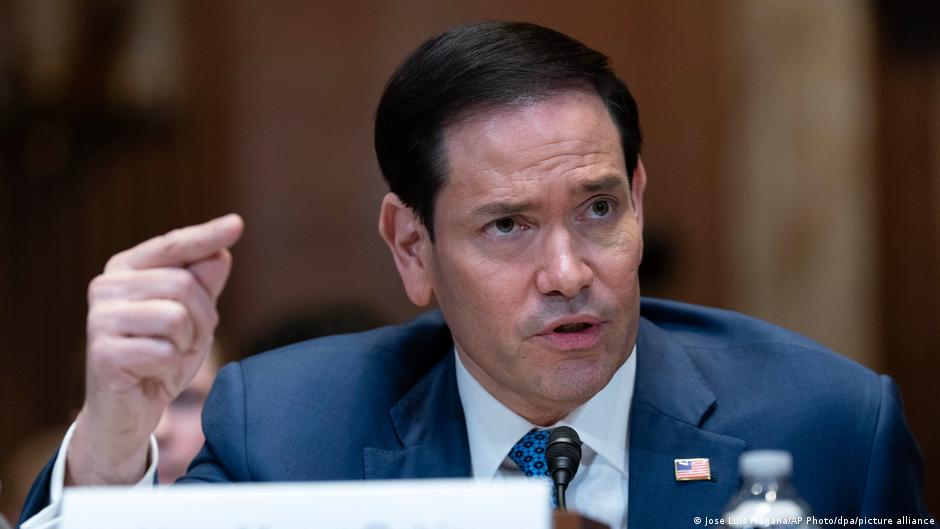
Announced by US Secretary of State Marco Rubio on June 11, the sanctions target CUPET for allegedly enabling Cuba’s communist elite to use energy resources as tools for social control and kleptocratic gain. The company has been added to the US blacklist, prohibiting American citizens and companies from engaging in any business dealings with it. Moreover, foreign entities that maintain commercial relations with CUPET risk secondary sanctions from the US Treasury.
These developments come amidst intensifying US efforts to pressure the Cuban government, already strained by longstanding economic embargoes dating back to 1962. The latest measures coincide with sanctions imposed earlier in June against Cuban President Miguel Díaz-Canel and key members of the Castro family, further isolating the ruling elite.
“Washington will continue to strike at the ability of the communist regime to leverage energy trade for its corrupt agenda and repression,” Secretary Rubio stated.
For the UK and EU, the sanctions complicate a delicate balance: both have economic interests in Caribbean energy stability and maintain diplomatic ties with Cuba. British and European companies engaged in energy and trade sectors face increased compliance risks, with the added threat that dealings with CUPET could expose them to US penalties, potentially affecting sterling trading volumes and London’s commodity markets.
The sanctions also disrupt energy flows through the region. Cuba is currently enduring its most severe economic crisis since the Soviet Union’s collapse, marked by widespread fuel shortages and electrical blackouts. The cessation of Venezuelan oil supplies following the US-supported capture of Venezuelan President Nicolás Maduro has further strained the island’s energy security, with ripple effects for European and UK businesses involved in regional energy logistics and trade financing.
London Market and Sterling Impact
London, as a global financial hub, is closely monitoring the unfolding geopolitical tensions. The sanctions against CUPET add complexity to risk assessments for UK investors and trading firms operating in emerging markets and energy sectors. Sterling-denominated assets with exposure to Caribbean markets may experience increased volatility, as investors reassess risks related to US extraterritorial sanctions policy.
Financial institutions in London must now enhance due diligence to ensure compliance with the expanded US embargo framework, which could result in tightened capital flows and cautious engagement with Cuban-related ventures. The evolving US stance risks limiting British and European companies’ operational freedom, potentially shifting trading volumes away from London to markets with less stringent sanction enforcement.
European Union policymakers are similarly alert to the geopolitical ramifications. While maintaining embargoes and sanctions consistent with US measures, the EU also seeks to preserve diplomatic engagement and economic cooperation with Cuba. This dual approach underscores the strategic challenges for British and European stakeholders in maintaining stable trade relationships while navigating the complexities of US sanctions.
As tensions between Washington and Havana escalate, the impact on the UK and European business landscape is likely to deepen, with particular pressure on energy trade channels, commodity markets, and the sterling outlook within global financial centers.