US Secretly Aids 70 Vessels Through Strait of Hormuz Amid Iran Tensions Impacting UK-EU Trade
US covert assistance helps commercial ships navigate the Strait of Hormuz, with implications for British and European maritime commerce and sterling markets.
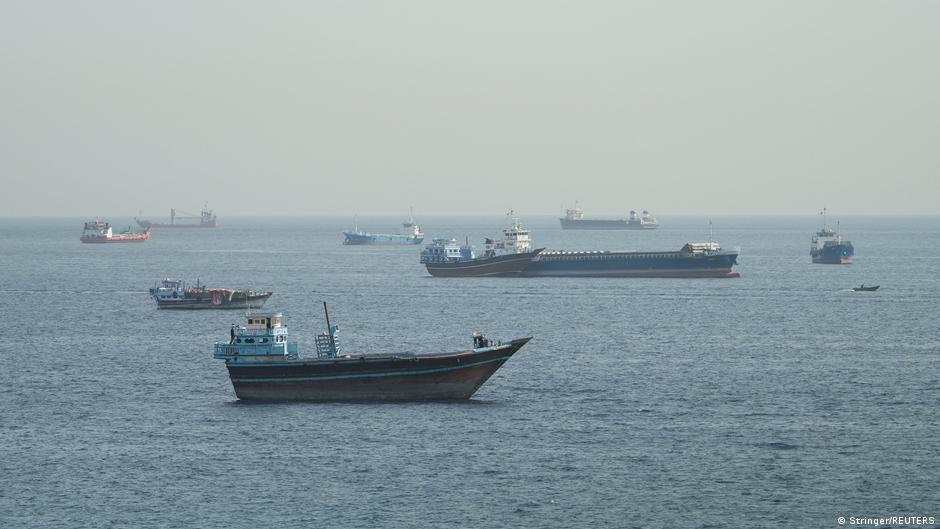
Over the past three weeks, the United States has covertly assisted approximately 70 commercial vessels to transit through the Strait of Hormuz, a strategic chokepoint routinely blocked by Iran, according to reports. This clandestine support, primarily involving vessels operating with their transponders turned off, highlights ongoing tensions in a region critical for global energy supplies and European trade.
Strategic Maritime Support Amid Heightened Regional Risks
US Central Command (CENTCOM) has facilitated these transits to ensure the continued movement of goods through the Strait, despite aggressive Iranian attempts to control the waterway. Sources indicate many of the ships avoided direct proximity to the Iranian coast to minimise the risk of Iranian attacks, which are described as "almost guaranteed" should a vessel attempt an unauthorised passage close to Iran.
While the US government has not disclosed specific timings or routes of these passages, the assistance has been deliberately kept low-profile to prevent provoking Iranian retaliation against commercial shipping. This approach follows the suspension by former President Donald Trump of the publicly announced "Operation Freedom" in early May, which had aimed to escort vessels through the Strait.
"The United States quietly encouraged passage through the Strait without providing overt naval escort to reduce the risk of Iranian strikes," according to informed sources.
Despite the covert US backing, the volume of ships transiting the Strait remains significantly below pre-conflict levels. Prior to the escalation of hostilities on 28 February, over 100 commercial vessels passed daily through the Strait; current figures from CENTCOM report approximately three daily passages.
Impact on UK and European Interests
The Strait of Hormuz is a vital conduit for oil and goods bound for European markets, including the UK. British and EU companies rely heavily on secure and uninterrupted maritime routes for energy imports and trade. The disruption in shipping traffic contributes to market volatility, influencing sterling exchange rates and London’s financial markets, which are sensitive to global geopolitical risks and commodity price fluctuations.
Maritime analytics firm Kpler reports that from 1 March to 19 May, of 895 Strait transits, just over half followed Iranian-approved routes while about 40% operated under "dark" conditions with transponders off. This dynamic complicates insurance and logistics planning for UK and EU shipping firms and heightens concerns over the safety of vessels carrying European exports and imports.
Iran’s blockade demands that vessel owners submit to route approval, whereas US sanctions bar tankers from entering Iranian ports, intensifying the stand-off and uncertainty. The prolonged impasse threatens to disrupt supply chains and energy prices, with ripple effects on the British economy and EU markets.
Prospects for Resolution and Market Outlook
Recent reports suggest preliminary framework talks between US and Iranian negotiators may signal a potential de-escalation, though former President Trump has withheld endorsement pending Iran’s compliance with fundamental demands, notably abandoning nuclear weapons ambitions. Iranian authorities maintain that no final agreement has been reached.
For British and European stakeholders, the resolution of this conflict is critical to restoring stability in the Strait of Hormuz and mitigating further disruptions to trade and energy security. Financial markets in London will likely monitor diplomatic developments closely, adjusting to changes in risk sentiment and commodity price trajectories.
As tensions persist, UK and EU businesses must prepare for continued volatility while advocating for multilateral efforts to secure maritime routes essential to their economic interests.