US Senate Advances Resolution to End Iran Hostilities Without Congressional Approval
The US Senate pushed for a resolution requiring presidential authorization from Congress before military action against Iran, impacting UK and EU markets with cautious Sterling response.
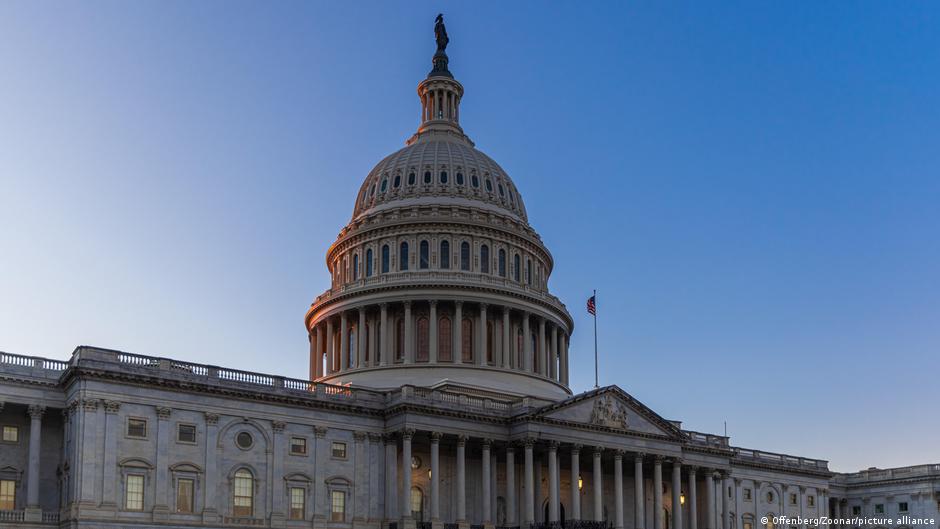
The US Senate took a significant step on May 19 by advancing a resolution that would require President Donald Trump to either end military actions against Iran or seek formal Congressional approval before continuing. This move, while not yet fully approved, signals growing Congressional efforts to limit unilateral military engagements.
The resolution passed a procedural vote with 50 senators in favor and 47 opposed. However, the absence of three Republican senators campaigning in their states makes full Senate approval uncertain. Earlier attempts to pass this resolution have been blocked seven times by Republicans, reflecting deep partisan divisions over US-Iran policy.
Potential Implications for UK and European Markets
For British and European investors, the US Senate's push for oversight in Middle East military actions carries notable implications. London financial markets, sensitive to geopolitical risks, have reacted with caution to the news. Sterling has shown modest volatility as investors weigh the prospect of reduced US military escalation against ongoing regional tensions.
Increased Congressional control could temper US foreign policy unpredictability, potentially stabilizing oil prices and reducing volatility in currency markets tied to geopolitical dynamics. The Euro and Pound Sterling, both heavily reliant on energy imports and international trade, may benefit from clearer US policy signals.
“This is the perfect time for discussion before we start a new war,” said Senator Tim Kaine, a Democrat who initiated the procedural vote. He emphasized the need for peace and diplomacy over unilateral military action.
The resolution stems from the 1973 War Powers Act, which limits the president's ability to engage in armed conflict without Congressional consent beyond a 60-day window. Trump notified Congress on May 1 that the war with Iran was "over," yet US forces continue to enforce blockades and strikes on Iranian vessels, underscoring the complex reality behind official statements.
For European allies and the UK, this development highlights the importance of US internal checks and balances in maintaining regional stability. It also underscores how Congressional actions in Washington can ripple through global markets and affect transatlantic economic interests.


