US Sends First Humanitarian Aid Flight to Cuba Amid Sanctions and Military Tensions
Washington dispatches $100 million in aid to Cuba as sanctions impact trade, with implications for UK and EU markets.
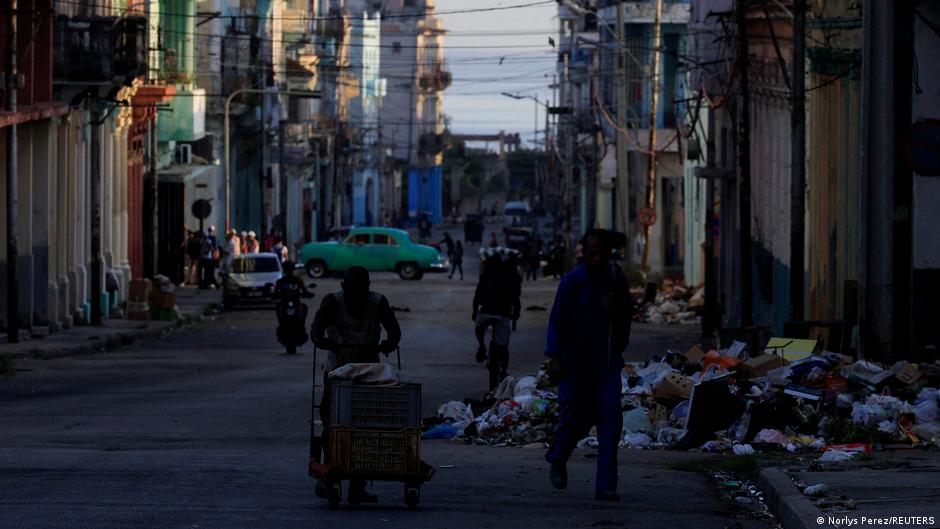
The United States has dispatched the first plane carrying humanitarian aid to Cuba, marking the beginning of a $100 million assistance package aimed at supporting the island's population despite ongoing sanctions and military tensions.
The aid, including food supplies and hygiene kits intended for 700 Cuban families, is being distributed through the humanitarian organization Catholic Relief Services. This follows prior US cooperation with Catholic intermediaries that delivered $9 million in aid after Hurricane Melissa severely affected parts of Cuba.
Economic and Geopolitical Implications for UK and EU Interests
From a British and European perspective, Washington's intensified sanctions on Cuban state-owned companies and its mixed approach of sanctions combined with humanitarian aid have multifaceted effects. The restrictions target five Cuban firms, including those linked to the Grupo de Administración Empresarial S.A. (GAESA), a military-controlled conglomerate responsible for approximately 40% of Cuba's GDP and holding $14.5 billion in liquid reserves as of 2024.
Such sanctions could disrupt trade flows and investment opportunities involving European companies active in or trading with Cuba. Additionally, London's financial sector, which facilitates many international transactions in US dollars and sterling, may experience increased compliance scrutiny and volatility as the US tightens financial levers against the island.
Market analysts in London are monitoring sterling's performance in light of wider geopolitical risks associated with US foreign policy shifts in the Caribbean. The delicate balance between humanitarian outreach and punitive measures illustrates the complexities faced by UK businesses navigating compliance and market stability.
"The blend of humanitarian aid with robust sanctions presents a nuanced challenge for British and European stakeholders involved in Caribbean trade and finance," said an industry expert.
Meanwhile, the Pentagon is reportedly considering several military scenarios, including a potential deployment of thousands of troops from the 101st Airborne Division to the island. However, with US military resources engaged in ongoing conflicts elsewhere, such as the renewed US-Israel conflict with Iran, an imminent military operation against Cuba remains unlikely.
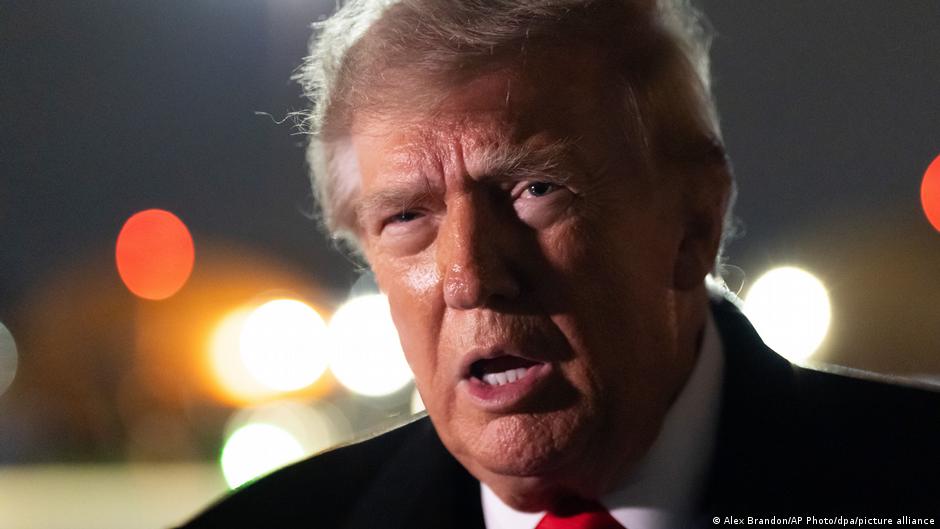
The Trump administration emphasizes economic and diplomatic pressure over direct military intervention. Still, the tension contributes to an uncertain regional environment that could affect transatlantic business ties and investor confidence.
Moreover, sanctions have been extended to individuals close to Cuba's leadership, including the spouse of Alejandro Castro, head of Cuba's National Security Council and son of former leader Raúl Castro. Cuban Foreign Minister Bruno Rodríguez condemned these measures as "relentless aggression and collective punishment," underscoring the fraught political climate.
For European and UK markets, the evolving US-Cuba dynamics call for cautious assessment of risks related to sanctions compliance, currency fluctuations, and potential disruptions in Caribbean trade routes.