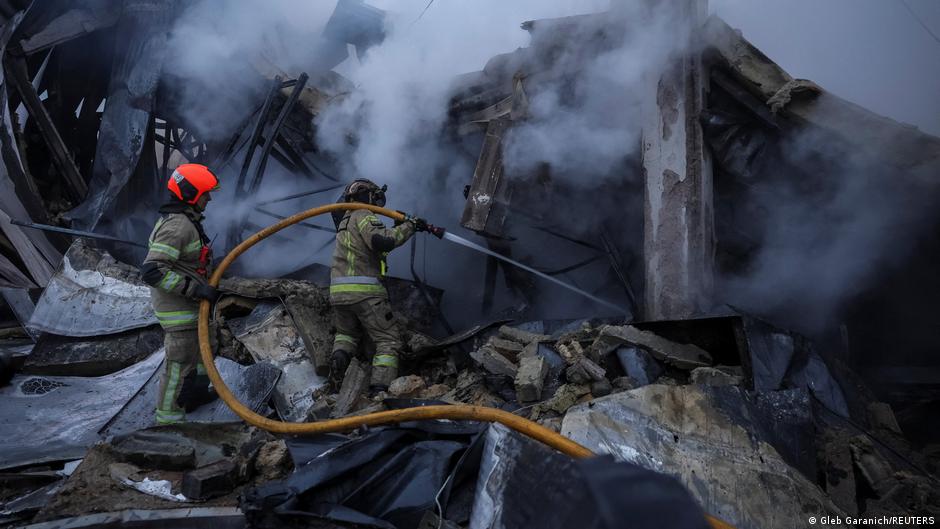
US Strikes on Iran Escalate Tensions as Tehran Closes Strait of Hormuz
Renewed US attacks trigger Iranian missile responses and closure of the strategic Strait of Hormuz, impacting UK and European markets.
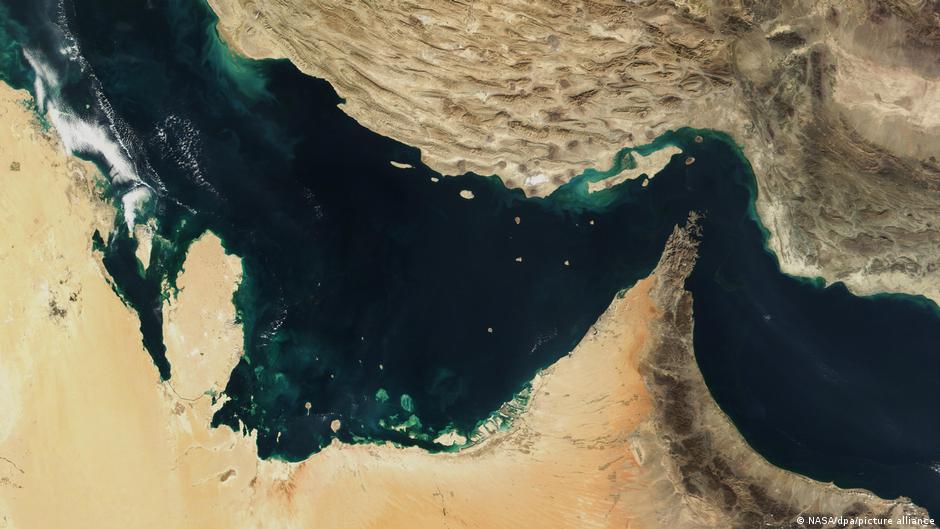
The recent escalation of military actions between the United States and Iran has raised significant concerns for British and European business interests, particularly due to the strategic importance of the Strait of Hormuz for global energy supplies and trade routes. On 10 June, the US Armed Forces resumed strikes against targets in Iran, prompting Tehran to retaliate with missile attacks on American bases in the Persian Gulf region and Jordan. In response to the US actions, Iranian military authorities declared a full closure of the Strait of Hormuz, a vital maritime passage for oil exports.
Impact on UK and European Markets and Sterling
The Strait of Hormuz is one of the world's most critical chokepoints for oil transportation, with approximately 20% of global petroleum passing through it. The announcement of its closure reverberated across London and European financial markets, triggering volatility in energy prices and heightening concerns over supply disruptions. For the UK and EU economies, which rely significantly on stable energy imports, such developments can translate into increased costs and inflationary pressures.
Following the US military strikes around 17:15 Eastern Time (23:15 Berlin time), and subsequent missile attacks by Iran on US military bases, including those in the Gulf states and Jordan, investors in London and other European hubs responded swiftly. The British pound experienced increased volatility amid uncertainty about the potential for prolonged conflict in the Middle East, while energy companies and commodities markets saw price spikes.
The US Central Command (CENTCOM) described the strikes as "a response to Iran's unjustified and ongoing aggression," highlighting the administration’s stance that these operations aim to prevent further escalation rather than provoke full-scale war. Yet, Iran's announcement to close the Strait of Hormuz and its reported firing upon two vessels underscore the heightened risks to maritime security and global trade.
"Any vessel attempting to transit the Strait of Hormuz will be targeted," warned the Iranian military command, citing "changed security circumstances" following US attacks.
Despite this, CENTCOM later contested claims of a complete closure, asserting that commercial ships continue to pass through the strait. This conflicting narrative adds to the uncertainty faced by businesses and traders relying on uninterrupted shipping lanes.
The immediate consequences for the UK and European business sectors include potential disruptions to oil supplies and increased insurance premiums for vessels operating in the region. Additionally, London’s financial markets are likely to remain sensitive to further geopolitical developments, with sterling fluctuations reflecting investor risk aversion amid escalating tensions.
As the situation develops, UK and EU policymakers and market participants will be closely monitoring both military actions and diplomatic efforts to de-escalate the conflict, aiming to safeguard economic stability and energy security in the region and beyond.