US Strikes on Iran Spark Volatility in Sterling and London Markets Amid Gulf Tensions
Renewed US-Iran conflict over downed Apache helicopter raises concerns for UK and EU trade routes and financial stability.
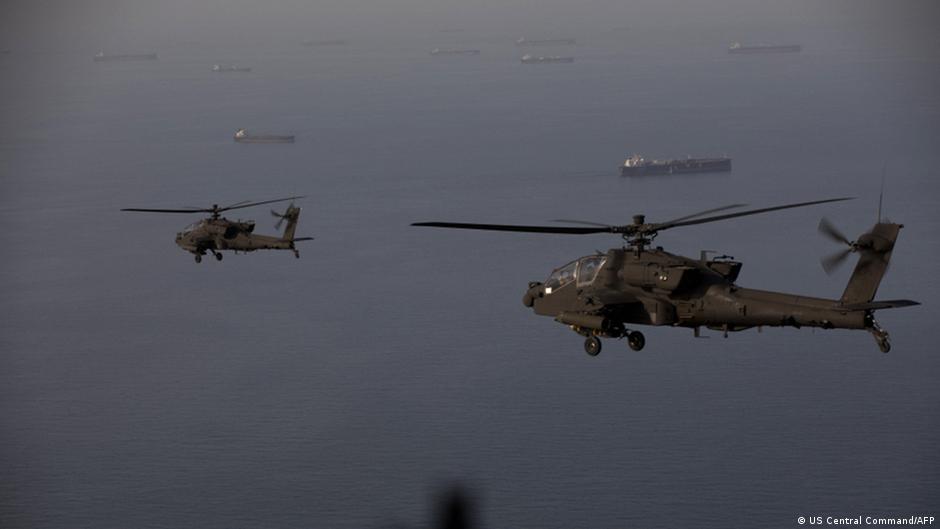
On June 9, the United States military resumed air strikes against Iranian targets following the downing of a US Apache helicopter near the Strait of Hormuz, a crucial conduit for global oil shipments that significantly impacts European and British energy markets.
The US Central Command (CENTCOM) described the operation as a "proportional response" to what it termed "unjustified Iranian aggression." President Donald Trump affirmed the necessity and strength of the retaliatory strikes, signaling heightened tensions in a vital region for international trade and energy security.
Implications for UK and European Business
The Strait of Hormuz is one of the world's most strategic maritime chokepoints, responsible for the passage of approximately a third of globally traded oil. Disruptions in this region reverberate strongly through European energy markets, especially in the UK, given its reliance on stable oil and gas supplies. The renewed conflict has led to increased volatility in sterling exchange rates and London’s financial markets, as investors reassess geopolitical risks.
The strikes targeted Iranian air defense systems and radar installations close to the Strait, with Iranian media reporting explosions near southern coastal cities and the strategically important island of Qeshm. The escalation has prompted warnings from Iranian Foreign Minister Abbas Araghchi, who threatened further retaliation against US forces in the region.
"Our powerful armed forces will not leave any attack or threat unanswered. Leave our region if you want to be safe," Araghchi posted on social media.
Following the US strikes, Iran's Islamic Revolutionary Guard Corps reportedly launched rockets and drones at American positions, underscoring the risk of a broader regional conflict that could disrupt shipping lanes and energy supplies critical to the UK and EU economies.
Market analysts in London have noted increased demand for safe-haven assets and a cautious stance among investors, reflective of concerns about prolonged instability in the Gulf. The British pound showed sensitivity to these events, with fluctuations linked to expectations of potential oil price shocks and supply chain interruptions.
Furthermore, ongoing hostilities between Iran and Israel, including rocket exchanges and mutual attacks, have compounded the risk environment. Despite announcements of temporary ceasefires, the region remains volatile.
Meanwhile, President Trump indicated progress toward a peace deal with Iran, suggesting negotiations were in their final stages. Yet, the military confrontations underscore the fragile nature of diplomatic efforts and their potential impact on European interests.
London-based businesses and investors are closely monitoring developments, given the possible repercussions on energy prices, trade security, and financial market stability. The situation highlights the interconnected nature of geopolitical events and the UK's economic landscape post-Brexit.


