US Threat to Ukraine Arms Scheme Puts European Defence Support in Focus
Washington’s reported pressure on Kyiv over refinery strikes raises questions for Britain, EU capitals and investors watching energy risk.
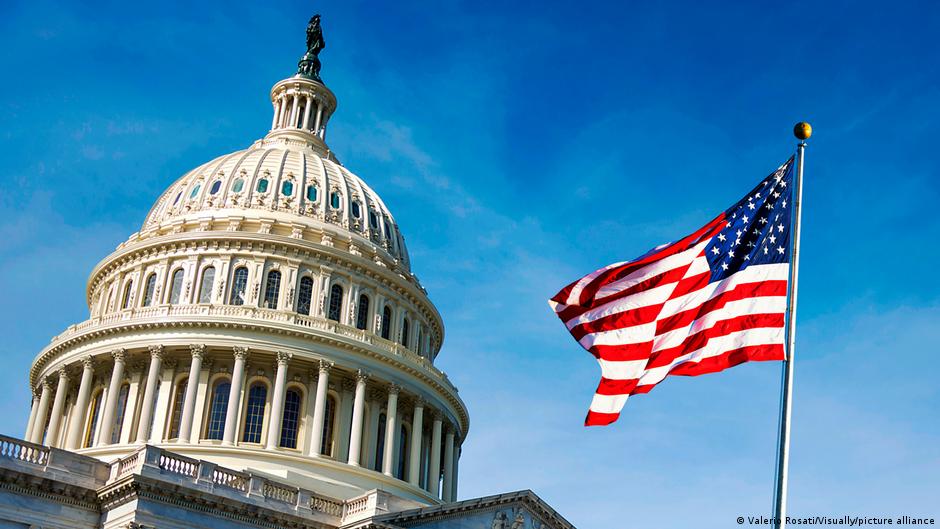
The Trump administration is threatening to block the PURL weapons supply programme for Ukraine as it seeks to pressure Kyiv into halting strikes on oil refineries inside Russia, according to the Financial Times. The report places a new strain on the transatlantic coalition supporting Ukraine and raises immediate questions for Britain and the European Union, whose security and energy interests remain closely tied to the course of the war.
PURL, described as the “Priority List of Ukraine’s Requirements”, is a mechanism for supplying Kyiv with weapons. According to the report, officials from the Trump administration have been calling both Kyiv and European officials with warnings that the programme could be blocked. The message, as described by those familiar with the contacts, is aimed at pushing Ukraine away from attacks on Russian refining capacity.
“They are calling Kyiv… they are calling everyone,” one official who received such a call from a US defence department representative was quoted as saying.
For London and European capitals, the dispute cuts across several priorities at once: sustaining Ukraine’s military position, limiting disruption to energy markets, preserving NATO cohesion and preventing any sudden shift in US policy from leaving Europe to shoulder more of the burden. The report also lands at a sensitive time for markets, with investors alert to any development that could affect oil prices, European inflation expectations and sterling sentiment.
Pressure on Kyiv, concern in Europe
One of the Ukrainian figures contacted by US officials was Pavlo Palisa, a military adviser to President Volodymyr Zelensky and former commander of Ukraine’s 93rd Separate Mechanised Brigade, according to the Financial Times. The White House declined to confirm or comment on the information.
The pressure campaign, if sustained, could sharpen debate in Britain and the EU about how much leverage Washington intends to exercise over Ukraine’s conduct of the war. For the UK, which has positioned itself as one of Kyiv’s most vocal European backers, any threat to block a weapons programme would be read not only as a military issue but as a test of Western alignment.
European governments have repeatedly sought to keep Ukraine supplied while managing domestic exposure to energy shocks. Ukrainian strikes on Russian oil infrastructure have become a point of strategic friction because they target Moscow’s war economy but can also add uncertainty to global fuel markets. That is particularly relevant for European consumers and businesses still sensitive to energy-price volatility.
In London, the market reaction would be shaped less by a single report than by what it suggests about US policy direction. A more uncertain American position on Ukraine could weigh on defence, energy and currency expectations. Sterling is often influenced by shifts in global risk appetite and energy costs; renewed concern over oil supply disruption or a widening policy gap between Washington and Europe could add to investor caution.
Trump announces an energy truce
The report followed a statement from President Donald Trump on 11 October that Russia and Ukraine had agreed to an “energy truce”. Writing on Truth Social, he said that from that moment an energy ceasefire was being introduced in the war between Russia and Ukraine, adding that both sides had agreed and should not violate it.
Zelensky, who has repeatedly called for a mutual ceasefire covering energy targets, initially told a journalist from Axios that he knew nothing about the partial truce that had reportedly been reached. He said, however, that he would support such an arrangement if Russia agreed to it.
Later, Zelensky said Ukrainian authorities were awaiting details from the American side. He added that Ukraine’s armed forces had received all orders, that Kyiv supported all steps by partners that could help it, and that Ukraine expected clear details of America’s dialogue with Russia and of whether Russian President Vladimir Putin would fulfil what Trump said he had committed to.
At the same time, a senior Ukrainian official close to Zelensky told the Financial Times that no one had heard about the truce. That divergence underscores the confusion surrounding the announcement and adds to European concern over whether key decisions are being communicated clearly to Kyiv and its allies.
The White House did not answer journalists’ questions on whether Trump would listen to Zelensky’s proposal to force Putin to agree to a full 60-day ceasefire so that Ukraine could hold elections, according to the report.
Why Britain and the EU are watching closely
For the UK and EU, the immediate business concern is the link between battlefield decisions, energy infrastructure and market stability. Russian refinery strikes are militarily significant because they can disrupt fuel supplies and revenues. But any escalation around energy targets may also unsettle oil traders, feed into wholesale fuel expectations and complicate the inflation outlook for European economies.
Britain’s exposure is not simply about physical supply. It is also about market psychology. If investors conclude that the US is prepared to limit arms support to force Ukrainian concessions, attention may turn to whether European governments can compensate. That could raise questions about defence spending, borrowing needs and industrial capacity across the continent.
London-listed defence and energy stocks may therefore be watched for signs of a reaction, while currency traders could assess whether the dispute changes risk appetite toward sterling. A stronger perception of geopolitical uncertainty can sometimes support the dollar at the expense of European currencies, including the pound, especially when energy prices are volatile.
The episode also touches on a broader policy dilemma for Europe. Ukraine’s partners want to weaken Russia’s ability to wage war, but they also want to avoid shocks that could damage European households and firms. A US threat to block PURL would shift that dilemma from a military planning question into a political and market issue.
For now, the central uncertainty is whether the reported calls represent a tactical warning, a serious threat to the weapons pipeline, or part of a wider effort by Washington to broker a limited ceasefire around energy infrastructure. Until those details are clarified, Britain and the EU will be left weighing both the security implications for Ukraine and the potential economic consequences closer to home.