US Threatens to Impose Strait of Hormuz Transit Fees Amid Iran Deal Uncertainty
Washington considers charging for passage through the Strait of Hormuz if nuclear deal with Iran fails, impacting UK and EU energy markets.
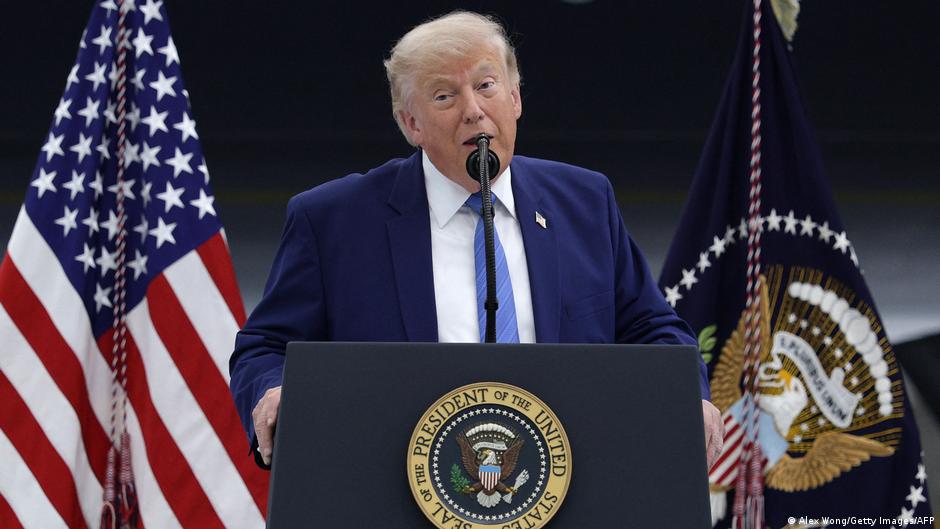
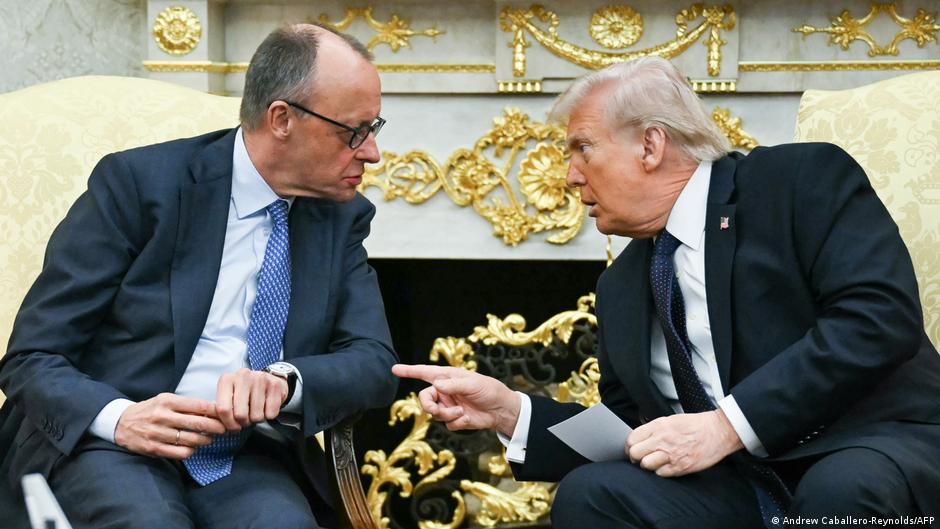
The United States has signalled it may introduce transit fees for ships passing through the Strait of Hormuz should the ongoing diplomatic efforts with Iran collapse. This move, announced by President Donald Trump, is positioned as compensation for US security services in the strategically vital waterway.
Potential Economic Ripples for UK and European Energy Markets
The Strait of Hormuz is a critical chokepoint for global oil shipments, with approximately a third of the world’s seaborne oil trade passing through the narrow passage. Any disruption or additional costs imposed on shipping routes here could have significant consequences for the UK and European energy markets.
President Trump, speaking via his social media platform, Truth Social, warned that if the nuclear agreement with Iran fails, the US may charge fees for passage. He referred to the US as the "guardian angel" of Middle Eastern countries, implying that these fees would reflect the cost of maintaining security in the region.
"For 60 days, while the truce with Iran holds, no fees will be charged," Trump stated, highlighting a grace period in which stability is expected to continue.
This potential policy shift comes after the US lifted its blockade of the Strait on 18 June, as confirmed by the US Central Command (CENTCOM). Vice President James David Vance noted a record transit volume of 12.5 million barrels of oil in a single day, the highest since the US and Israel’s conflict with Iran escalated in late February.
However, tensions remain volatile. Iran announced a new ban on vessel passage through the Strait on 20 June, responding to Israeli military actions in southern Lebanon. Tehran perceives these strikes as violations of the June 17 ceasefire agreement between Iran and the US, threatening to escalate regional instability.
The ceasefire had temporarily eased hostilities, allowing an estimated 60-80 vessels to transit the Strait in the three days following the agreement, approaching the typical daily average of around 100 in peacetime.
From the perspective of London’s financial markets, any instability in Middle Eastern straits often triggers fluctuations in the British pound and energy-linked assets. Increased shipping costs or supply disruptions tend to elevate oil prices, influencing inflation and economic outlooks across the UK and EU.
Market participants are closely monitoring these developments as they could affect sterling-denominated energy contracts and investment flows into UK-based energy firms with Middle Eastern exposure. The City of London, as a global financial hub, remains sensitive to geopolitical risks that can sway commodity prices and investor confidence.
In summary, while the US has granted a temporary reprieve on transit fees and armed conflict, the fragile ceasefire and Iran’s countermeasures underscore persistent risks to international shipping through the Strait of Hormuz. The UK and European economies, reliant on stable energy imports and priced in sterling, face potential vulnerabilities should tensions escalate or transit costs rise.