US to Cut NATO Fighter Jets and Naval Assets, Impacting UK and European Security Commitments
Washington plans a significant reduction in military aircraft and ships supplied to NATO, challenging European defense frameworks and London market sentiments.
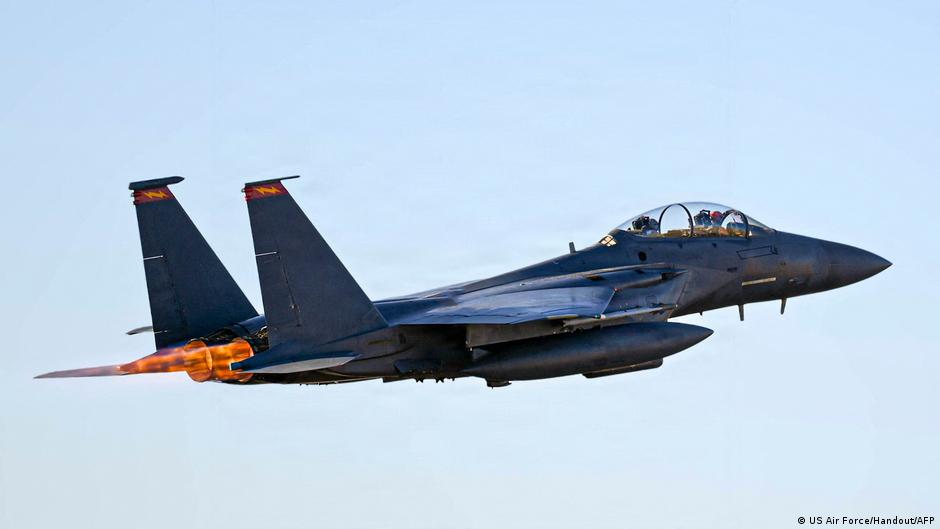
According to reports from The New York Times citing senior European officials, the United States is set to reduce the number of combat aircraft and naval vessels it provides to NATO operations in Europe by roughly one-third. This strategic shift is expected to have profound implications for NATO's long-range strike and surveillance capabilities, as well as for the broader security landscape in the UK and across the European Union.
Details of the US Military Drawdown in Europe
The US intends to decrease its deployment of F-16 and F-15E fighter jets from approximately 150 to about 100 aircraft. Additionally, the number of maritime reconnaissance planes will be slashed from 26 to 15. All eight aerial refueling tankers currently stationed in Europe are slated for withdrawal, alongside a repositioning of critical naval assets including a missile submarine, an aircraft carrier, and several warships involved in carrier strike group missions.
European NATO members were reportedly informed of these plans through formal documentation in early June, with the initial phase of this drawdown set to begin imminently — earlier than European partners had anticipated. The revelation aligns with earlier reports from Germany's Die Welt and Germany’s Der Spiegel, highlighting US strategic realignment priorities favoring the Indo-Pacific region over European defense commitments.
“This decision will limit NATO’s ability to conduct long-range strikes and surveillance,” the report noted, underscoring the operational challenges this downsizing will create for alliance cohesion and capability.
Historically, the US has contributed roughly half of NATO's overall military capacity, including key air and naval forces. With the forthcoming Force Sourcing Conference in June approaching, Washington is requesting proposals from European allies to identify which countries could compensate for the reduced US military presence in critical areas.
This shift also follows the Pentagon’s May announcement to withdraw one of four US combat brigade groups stationed in Europe, reducing American troop levels to those seen in 2021. Combat brigade groups, numbering between 4,000 and 5,000 personnel, constitute the backbone of the US Army’s tactical capabilities in the region. Presently, around 65,000 US troops are permanently based in Europe, with additional personnel rotating in on temporary deployments.
Implications for UK and European Security and Markets
The redeployment decision poses significant challenges for European security frameworks, particularly impacting the UK’s defense posture and NATO’s deterrence capabilities. London, which hosts one of NATO’s primary military hubs and maintains close defense collaboration with US forces, will need to reassess its strategic commitments amid this US recalibration.
From a financial perspective, the expected contraction of US military assets could influence sterling’s market dynamics, as geopolitical uncertainty often affects currency valuations and investment flows. The London market, sensitive to shifts in transatlantic security cooperation and geopolitical risk, may react cautiously to this development, heightening volatility in defense-related equities and broader investor sentiment.
European Union member states face mounting pressure to fill the operational void left by the US withdrawal. Enhanced defense spending and capabilities development are likely to emerge as key priorities, with potential acceleration in joint European military initiatives. Such a transition not only recalibrates transatlantic burden-sharing but also signals a strategic inflection point for European security autonomy.
In summary, the US decision to reduce its military footprint in Europe underscores a broader pivot towards the Indo-Pacific and compels the UK and EU nations to adapt swiftly to evolving defense responsibilities and market implications.