Uzbek-Afghan Business Forum Secures $300 Million Deals, Boosting Regional Trade Prospects
Uzbek and Afghan entrepreneurs sign contracts worth $300 million after business forum in Herat, highlighting growing trade ties.
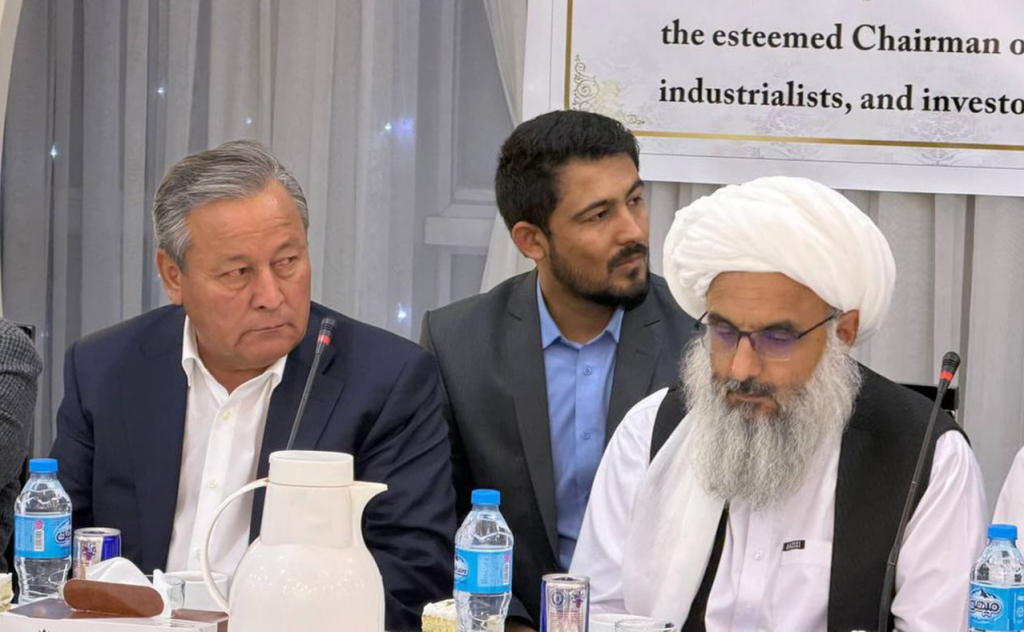
In a significant development for Central Asian and South Asian trade relations, businessmen from Uzbekistan and Afghanistan have concluded contracts worth a total of $300 million, following a business forum held in Herat, Afghanistan. The forum, attended by a delegation of 110 Uzbek entrepreneurs led by Shuhrat Abdurahmonov, Governor of Andijan region, and Davron Vahobov, Chairman of the Chamber of Commerce and Industry of Uzbekistan, sought to deepen economic cooperation between the two neighboring countries.
Strengthening Cross-Border Business Ties
The Andijan Trade House was officially inaugurated in Herat during the visit, acting as a new platform to showcase more than 200 product types across 10 sectors. This initiative aims not only to facilitate product display but also to foster new partnerships and investment projects, particularly in agriculture, pharmaceuticals, and cement logistics.
"Such collaboration opportunities open wide doors for entrepreneurs," Herat Governor Nur Ahmad Islomjar said during the opening ceremony, emphasizing the potential for expanding trade and investment.
The business forum also tackled several practical issues, including simplifying visa procedures, improving mutual financial settlement mechanisms, easing pharmaceutical exchange processes, and expanding logistics for agricultural and cement products. These discussions are expected to translate into smoother trade operations, benefiting merchants and investors alike.
These developments are timely as Uzbekistan continues to position itself as a key trade hub between Central Asia and South Asia, with Afghanistan emerging as a critical corridor. For the UK and European markets, the growing economic activity in this region signals emerging opportunities for investment and supply chain diversification, especially in sectors like pharmaceuticals and raw materials.
Implications for UK and European Business Interests
From a British and EU perspective, enhanced Uzbekistan-Afghanistan trade links could influence sterling exchange rates and market dynamics in London, given the city's role as a global financial center for emerging markets. Increased trade volume in Central Asia often impacts commodity prices and currency flows, which are closely monitored by investors and traders in London.
Moreover, the establishment of formal trade channels and the simplification of business processes between Uzbekistan and Afghanistan may encourage European companies to explore supply chains and investment projects in the region. Pharmaceutical exchanges highlighted during the forum are particularly relevant, as Europe's healthcare sector seeks diversified sources amid global supply chain uncertainties.
Uzbekistan has demonstrated a clear intent to engage more deeply with neighboring markets, as evidenced by recent negotiations led by the director of the Pharmaceutical Development Agency, Abdulla Azizov, in Kabul earlier this year. The regional "Afghanistan-Central Asia Consultation Dialogue" held in Kabul was the first of its kind since 2021 and reflects a growing willingness among Central Asian nations to collaborate with Afghanistan despite previous political complexities.
The resulting contracts, totaling $300 million, underscore a tangible commitment to expanding bilateral trade and investment, which could in turn generate ripple effects reaching European markets and influencing investor sentiment.
As the UK and EU continue to explore avenues for engaging with emerging markets, developments like the Uzbek-Afghan business forum highlight the importance of closely monitoring Central Asian trade corridors. These evolving partnerships may offer new opportunities for British and European businesses to participate in regional growth while mitigating supply chain risks.