Armed Attacks in DR Congo Cause 69 Deaths Amidst Resource Conflicts Impacting Global Markets
Militant clashes in DR Congo's Ituri region result in 69 fatalities, raising concerns over mineral supply and implications for UK-EU trade and markets.
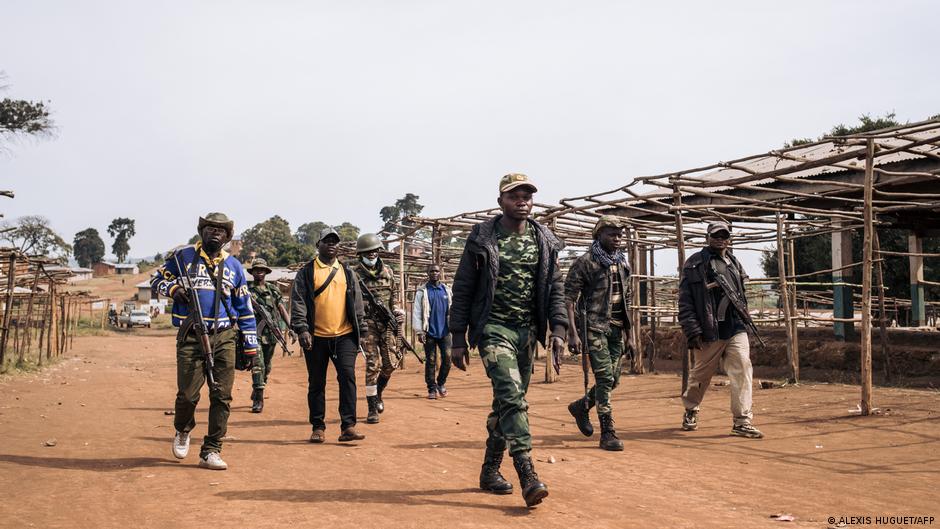
Recent violent attacks by rebel groups in the Ituri province of the Democratic Republic of Congo (DRC) have resulted in the deaths of at least 69 people, including 19 combatants, according to government sources. These incidents, occurring in late April, have highlighted ongoing instability in a region rich in valuable minerals critical to global supply chains.
Conflict and Its Impact on Mineral Supply and Market Stability
The attacks were carried out by two armed factions: the Convention for the Popular Revolution (CRP), linked to the Hema ethnic group, and the Cooperative for the Development of Congo (CODECO), which claims to defend the Lendu community. The initial assault targeted the Congolese army, prompting retaliatory strikes on several local settlements.
"The continuing presence of CODECO fighters has complicated recovery operations and prolonged insecurity in the mineral-rich Ituri region," a security official noted.
Ituri province is a significant producer of gold and other minerals essential to various industrial sectors, including those in the UK and the European Union. Persistent violence threatens the stability of supply chains for these critical resources, potentially affecting commodity prices and investment confidence in London's financial markets.
The DRC has been a hotspot for conflicts fueled by competition over natural resources for decades. CODECO, once an influential agricultural cooperative, now operates as one of the most aggressive armed groups in the area, with several thousand members. Meanwhile, CRP was reestablished recently by Thomas Lubanga, a former warlord and the first individual convicted by the International Criminal Court (ICC) for war crimes. Since his release in 2020, Lubanga has pursued a political career in Ituri but also announced the formation of a new militia citing government inaction against CODECO and other rebel violence.
Adding to the complexity, the M23 movement—representing the Tutsi minority and backed by Rwandan forces—controls significant territory in eastern Congo, including the city of Goma since 2025. The prolonged conflict has displaced over seven million Congolese, further destabilising the region.
The instability in the DRC has direct implications for UK and European interests. The reliance on Congolese minerals for sectors such as electronics, automotive, and renewable energy technologies places supply chains at risk. London investors and commodity traders remain alert to developments, as disruptions can influence sterling volatility and broader market sentiment.
As the EU continues to strengthen its strategy on critical raw materials and the UK seeks to secure sustainable supply lines post-Brexit, monitoring conflict zones like Ituri remains vital for anticipating economic and geopolitical risks.