Belarus Orders Undisciplined Agricultural Workers to Military Service Amid Harvest Challenges
Lukashenko mandates transfer of unproductive farm workers to army duties, raising concerns on British and EU agricultural supply chains and market stability.
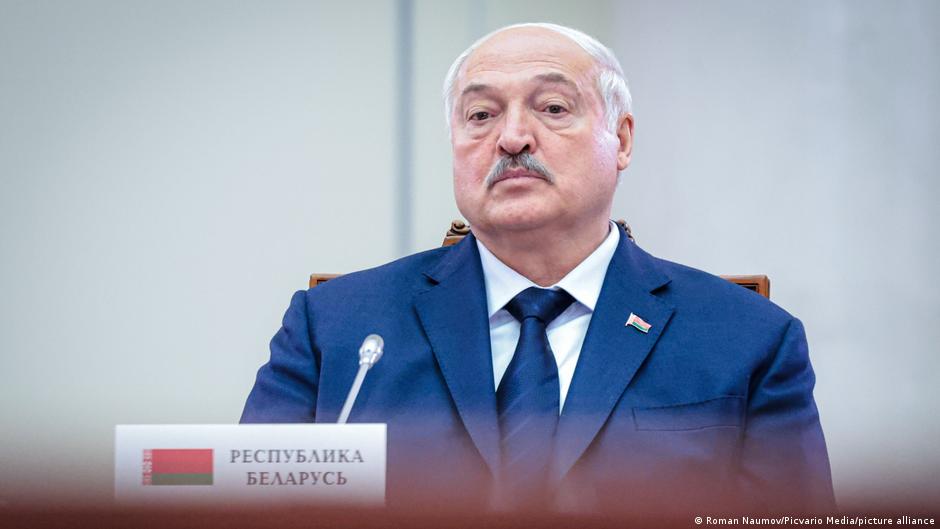
Belarusian President Alexander Lukashenko has directed that agricultural workers deemed undisciplined or ineffective during the critical harvest season be conscripted for military service. This unprecedented policy aims to enforce strict labor discipline amid the country’s agricultural sector challenges.
Implications for UK and EU Agricultural Markets
Lukashenko clarified the intent behind this order during his visit to the Brest region, emphasizing that the move is not intended as a form of punishment or humiliation. Instead, he described it as an opportunity for individuals to "prove themselves" in what he termed "normal masculine or feminine work" within the army. The Belarusian leader stressed that this measure reflects a broader push for enhanced labor and technological discipline across all levels, which authorities believe is essential for improving agricultural productivity.
"If you do not want to work in this job, we will test you in another—normal male and female work in the army," Lukashenko stated.
The decision, originally announced on July 21, orders those who "do not know how to work" to be sent not only to the military but also to the southern border and forest regions where special operations forces are reportedly stationed. The move is part of what the head of Lukashenko’s administration, Dmitry Krutoy, described as the "harshest mobilization regime" for the harvest, with military service for the conscripted workers lasting two to three months under "Spartan" conditions.
Krutoy highlighted that the program targets workers characterized as negligent, drunkards, slackers, and loafers, providing them a chance to improve their physical condition and amend their "mistakes" through useful labor benefiting the country's armed forces.
From a British and European business perspective, this policy raises several concerns. Belarus plays a significant role in supplying agricultural products to regional markets. Disruptions in farm labor could impact crop yields and export volumes, potentially affecting supply chains that reach the UK and the European Union. Given the sterling’s sensitivity to geopolitical and economic developments in Eastern Europe, London’s financial markets may respond cautiously to news of labor mobilization in Belarus, anticipating possible ripple effects on commodity prices and trade flows.
While Belarus is not a primary trading partner of the UK or EU, its agricultural output contributes to regional food security. Any disruptions could necessitate adjustments in sourcing strategies among European agribusinesses and distributors. Additionally, the move underscores broader concerns about labor conditions and governance within Belarus, factors that European businesses monitor closely amid evolving sanctions and trade policies.
Market analysts in London are likely to keep a close eye on how this labor mobilization impacts Belarusian agricultural exports and whether it triggers shifts in prices or supply chain dynamics affecting the wider European market.